This video is not approved for CME yet. Please check in a few days for the approval result. Thank you for your patience.
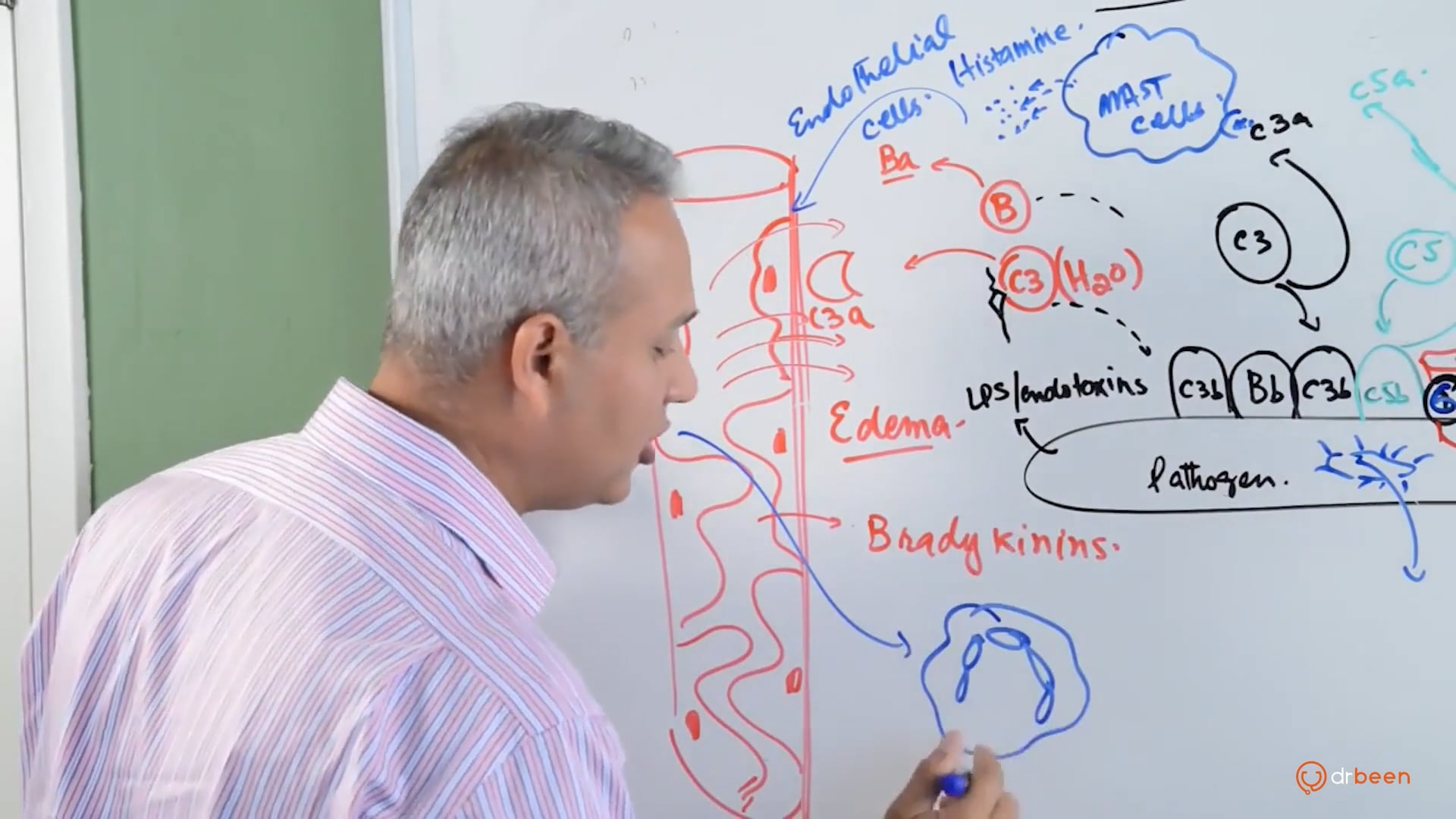
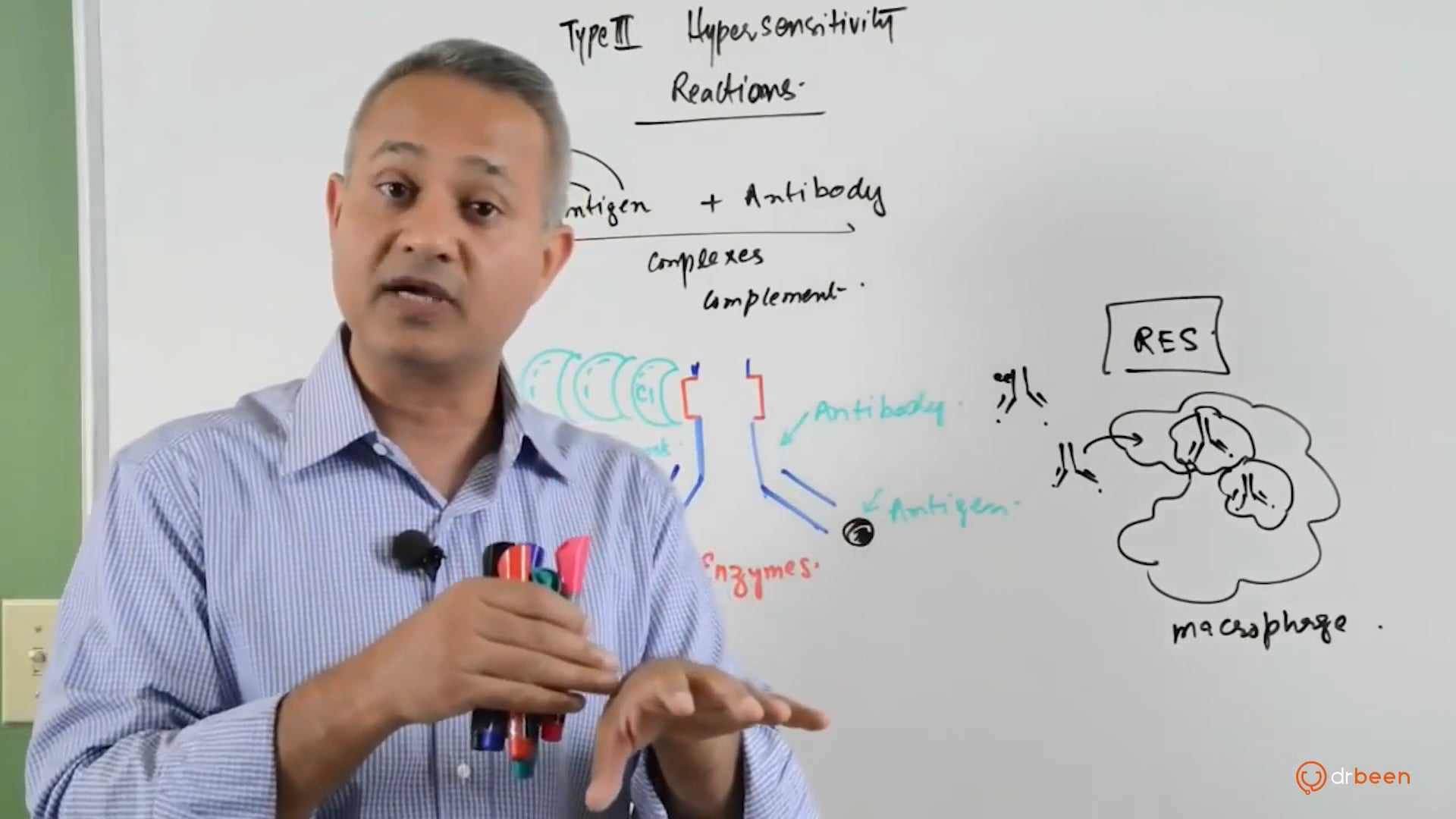
The complement system is a critical component of the immune response, consisting of a complex network of proteins that work together to enhance the body’s ability to fight infections and promote inflammation. Clinical scenarios illustrate the system's significance, such as in cases of infections, autoimmune diseases, and inflammatory conditions where complement activation can directly influence disease outcomes. The complement system operates through three primary pathways: the classical pathway, activated by antigen-antibody complexes; the alternative pathway, triggered by pathogen surfaces; and the lectin pathway, initiated by carbohydrate recognition. Each pathway leads to a cascade of proteolytic activations, resulting in the formation of a membrane attack complex that can lyse pathogens.
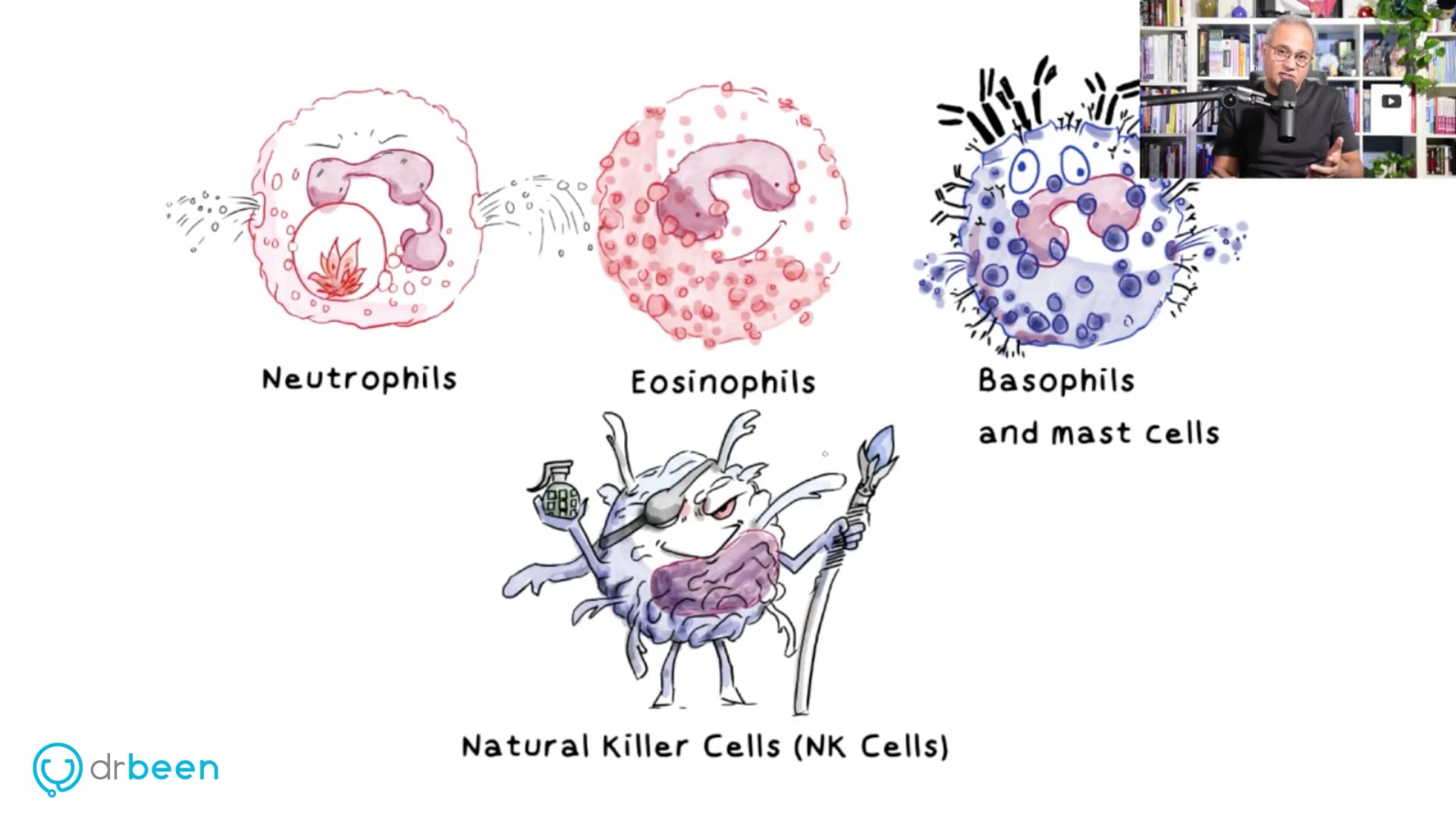
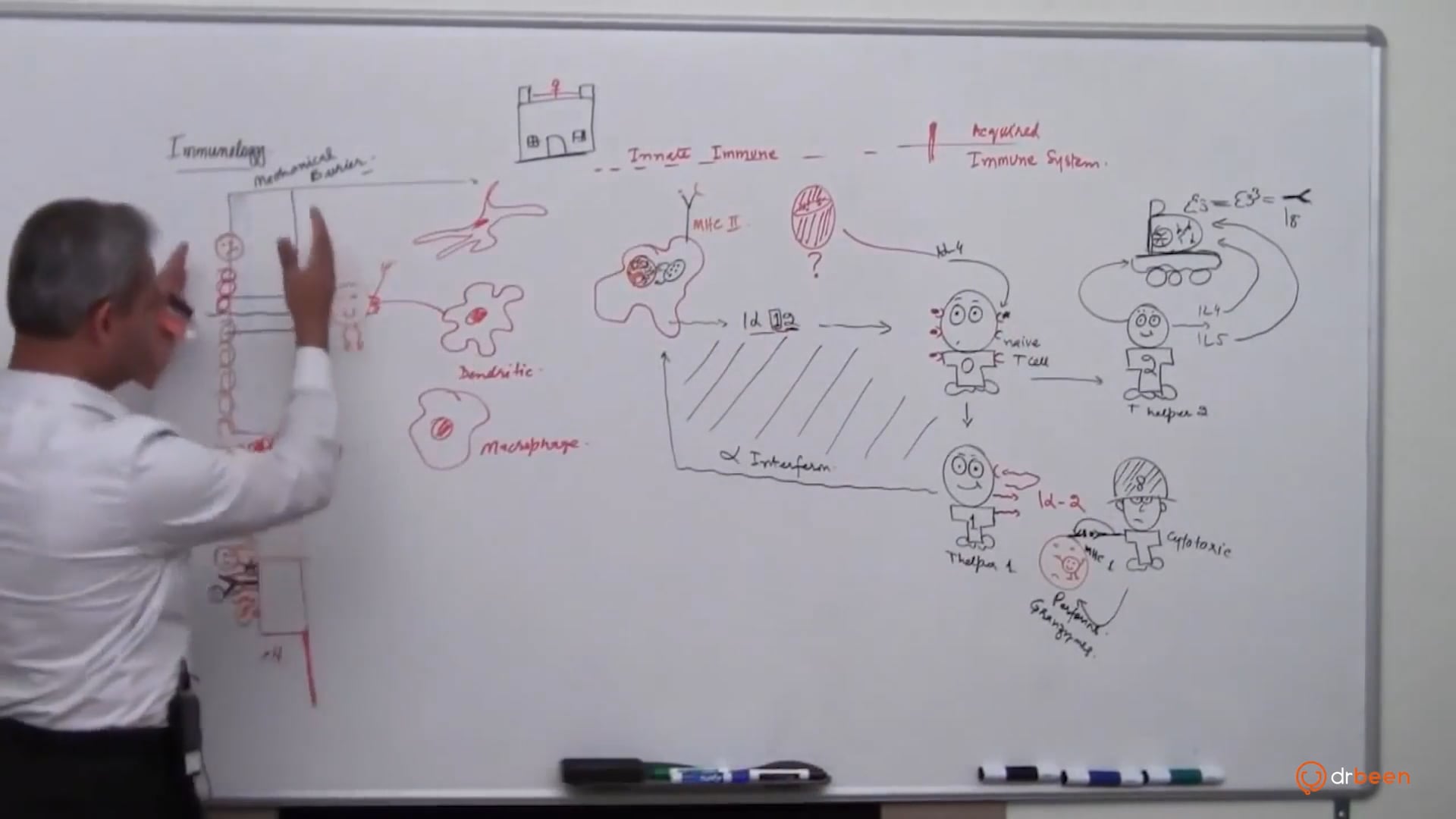
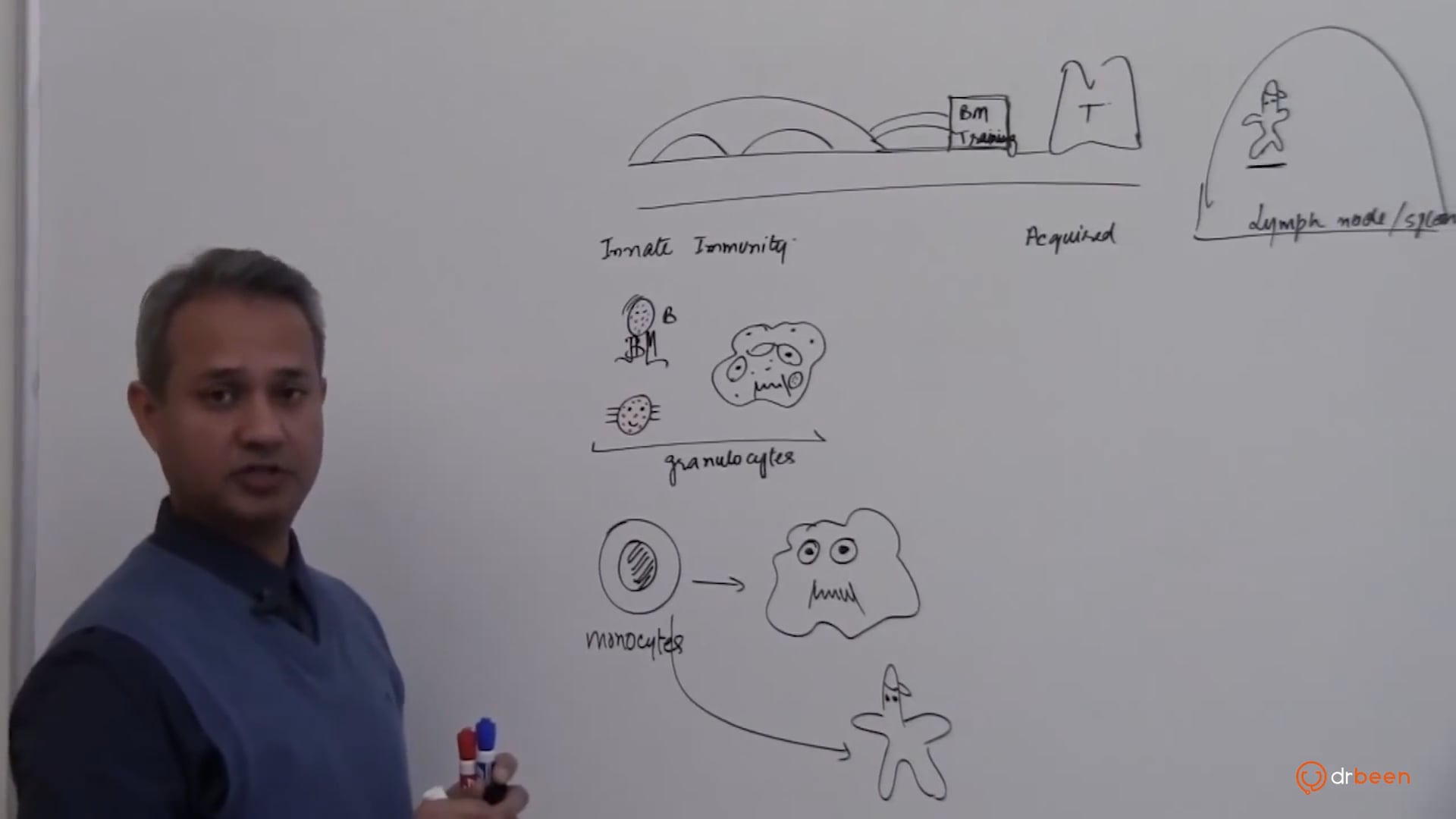
The immune system is divided into two arms: the innate and acquired (adaptive) immune systems. The innate immune system serves as the first line of defense, providing immediate but non-specific responses to infections, whereas the acquired immune system develops specific responses that take longer to activate but provide lasting immunity. Complement proteins, primarily synthesized in the liver, consist of various components, each with distinct roles in immune function, including opsonization, chemotaxis, and cell lysis.
The dynamics of the complement pathway involve a series of enzymatic reactions that amplify the immune response. The classical, alternative, and lectin pathways converge on a common pathway leading to the activation of C3, a central component of the complement system. Functions of the complement system include enhancing phagocytosis by opsonizing pathogens, promoting inflammation through the release of anaphylatoxins, and directly lysing pathogens via the membrane attack complex.
Deficiencies in specific complement proteins can have significant pathological consequences. For instance, deficiencies in C1 can lead to hereditary angioedema, while a lack of C3 increases susceptibility to infections and autoimmune diseases. Understanding the roles and functions of the complement system is essential for recognizing its impact on health and disease, as well as developing targeted therapies for complement-related disorders.
1. Clinical scenarios with significance of the complement system.
2. The innate and acquired arm of the immune system.
3. The nature and structure of complement protiens.
4. Functions of the complement system.
5. Dynamics of the complement pathway.
6. Classic, alternate and lectin pathways.
7. Effects/pathology of deficiencies of different complement protiens.







Write A New Comment
0 Comments