
This video is not approved for CME yet. Please check in a few days for the approval result. Thank you for your patience.
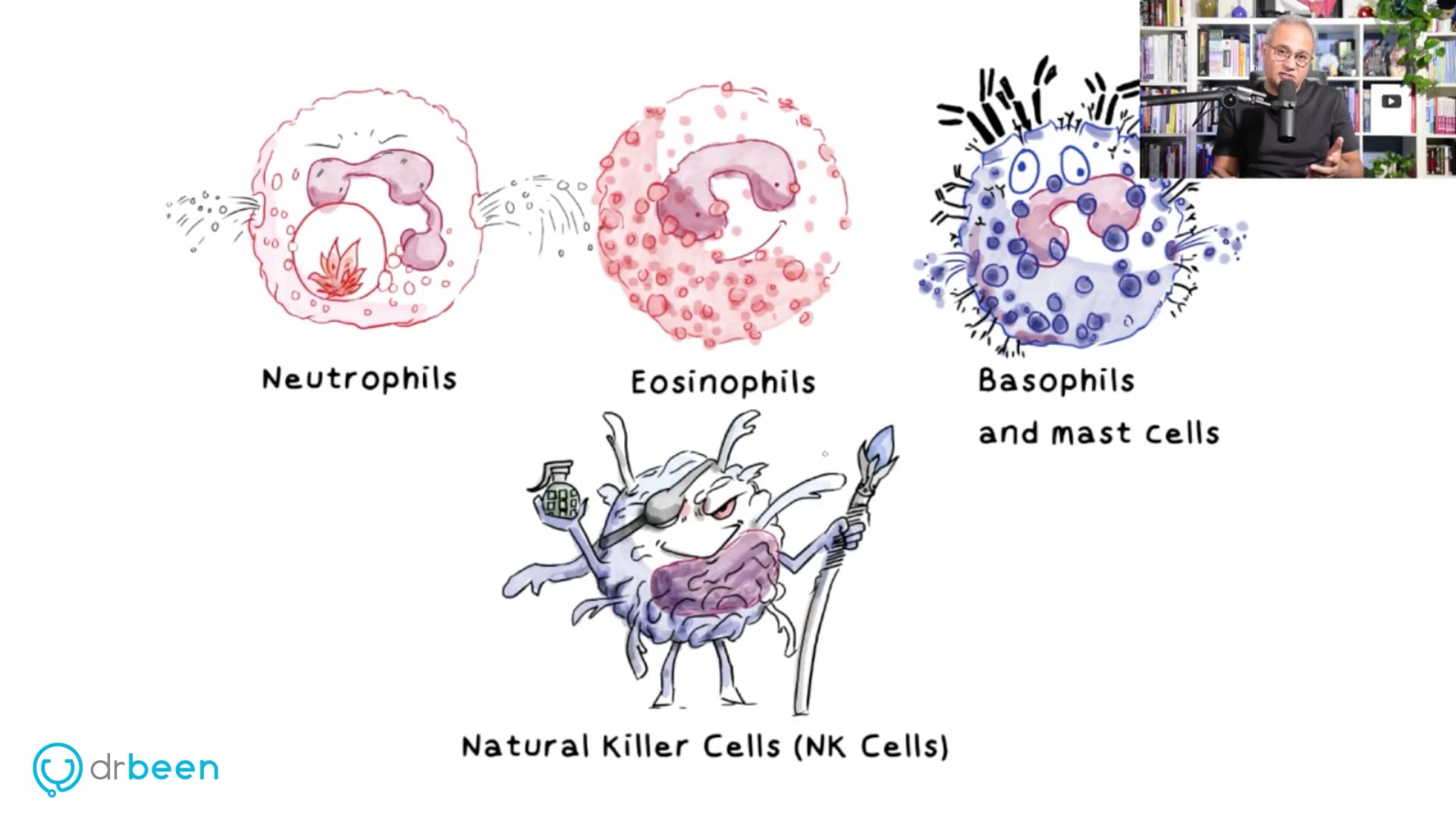
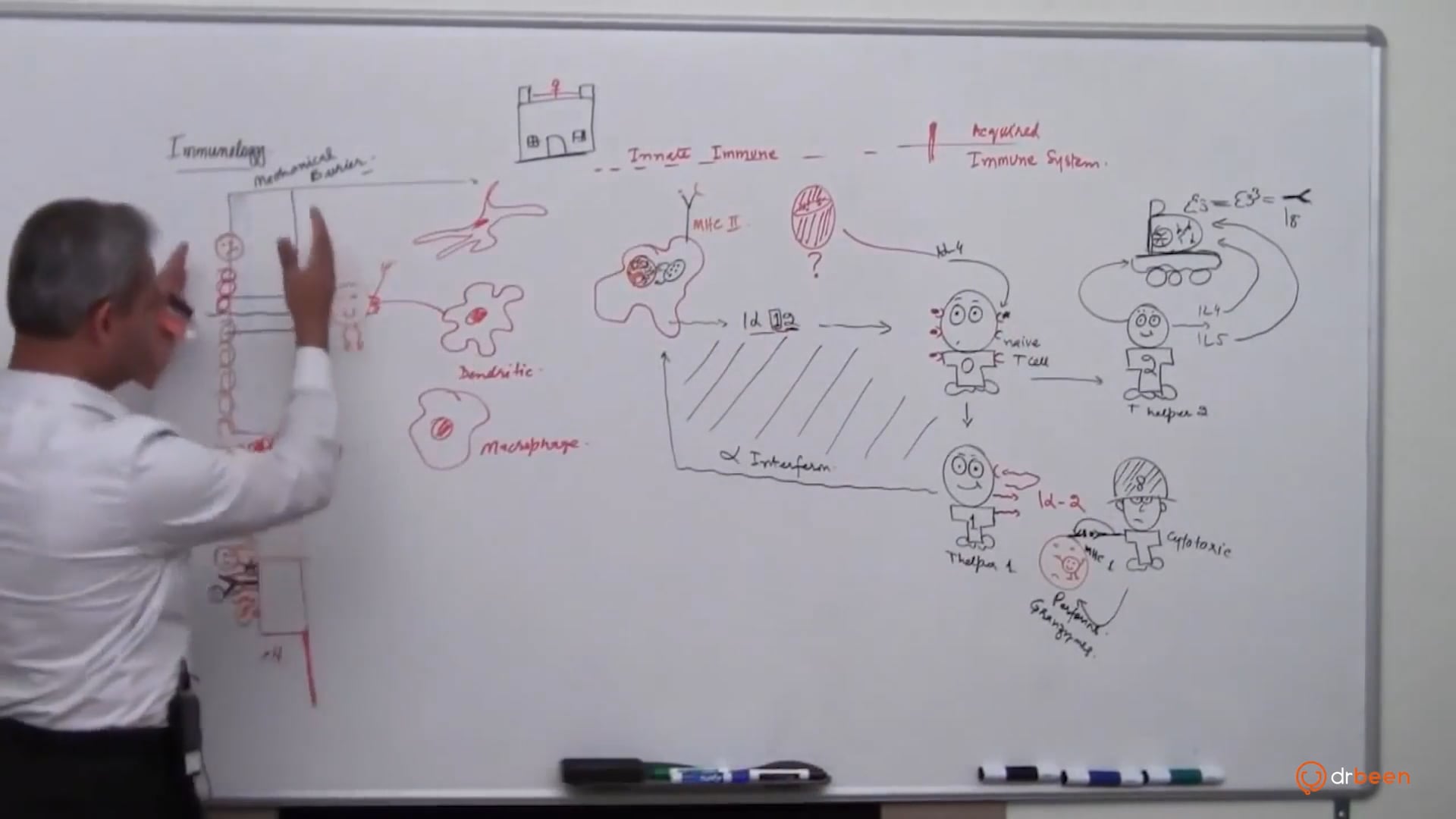
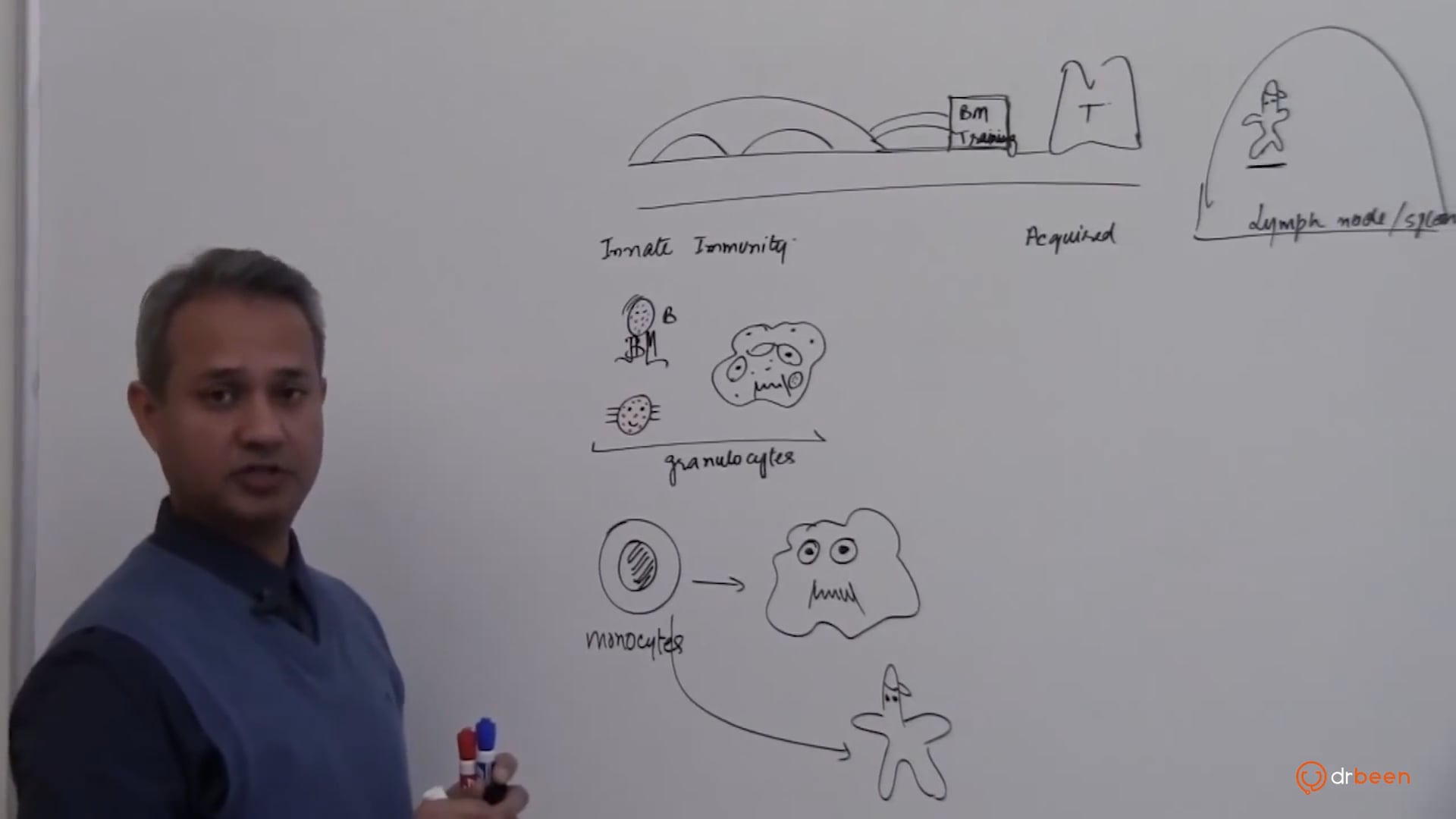
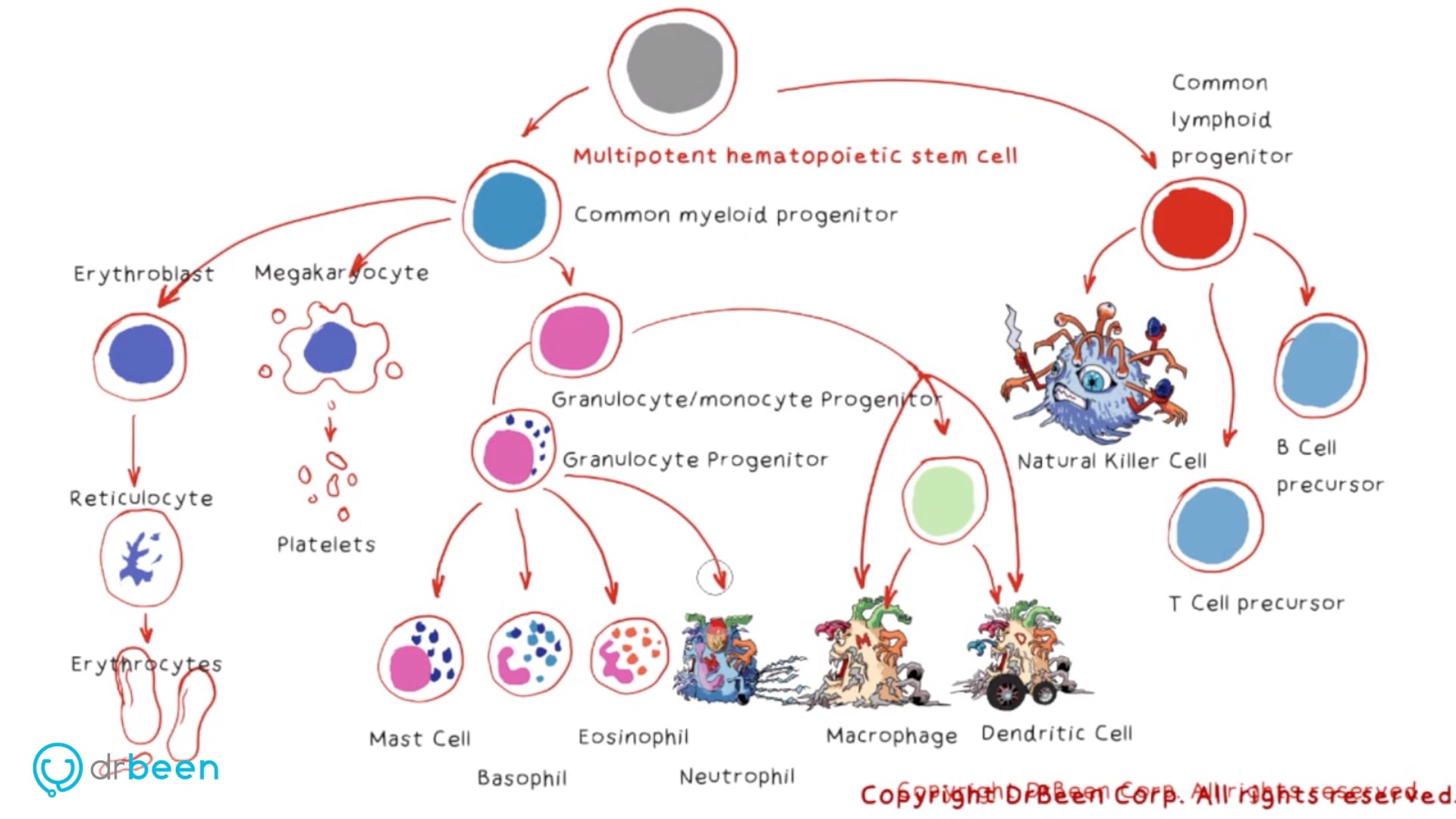
The immune system is a complex network composed of various components that work together to defend against infections and diseases. Key components include innate immune cells, such as macrophages and neutrophils, which provide immediate responses, and adaptive immune cells, including T lymphocytes and B lymphocytes, which develop specific responses to pathogens. These cells communicate and coordinate through a range of signaling molecules and receptors.
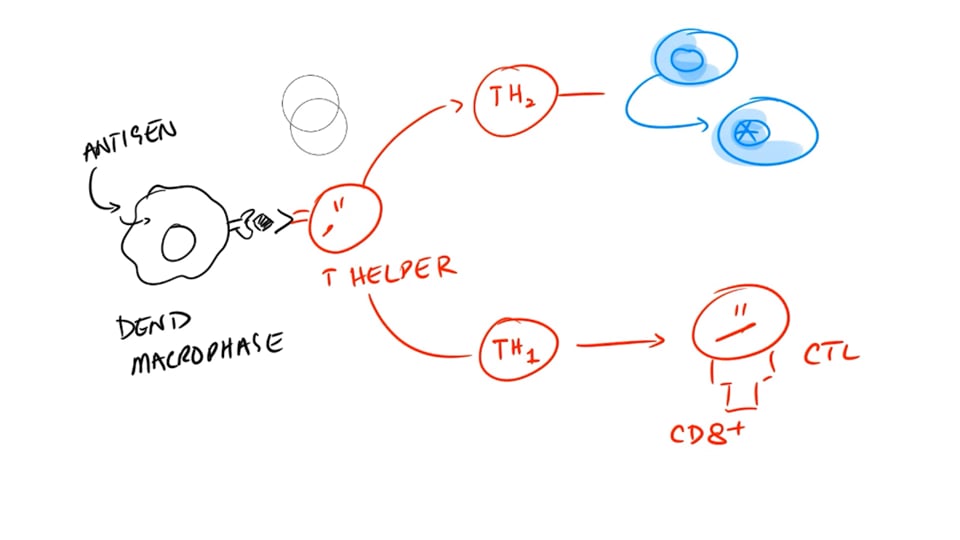
Upon the entry of foreign antigens, the immune system activates through multiple pathways. Recognition begins with the engagement of pattern recognition receptors (PRRs) on innate cells, which identify pathogen-associated molecular patterns (PAMPs). This initial recognition leads to the activation of the adaptive immune response, involving antigen presentation by dendritic cells to T cells, thereby facilitating a tailored immune response.
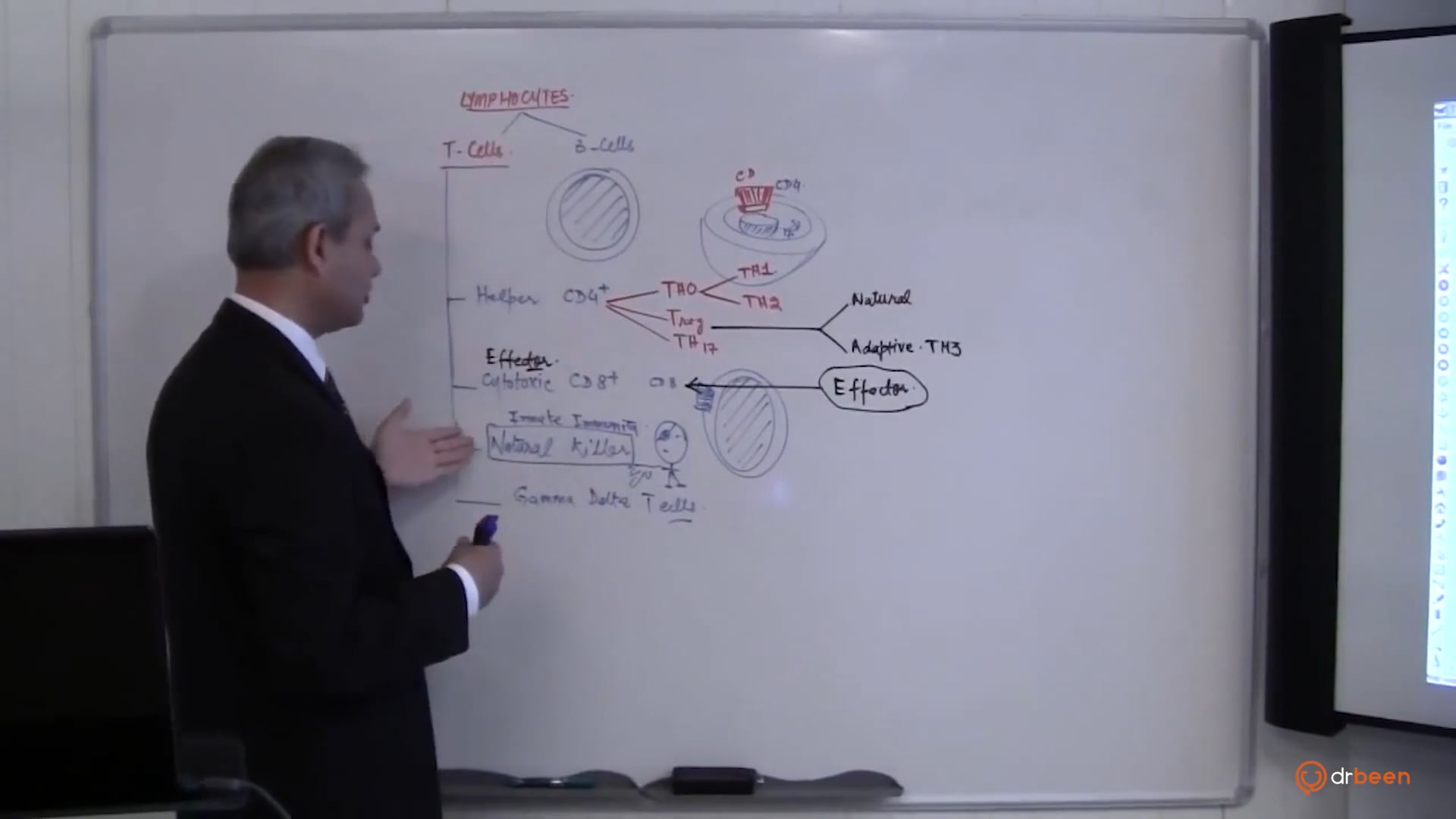
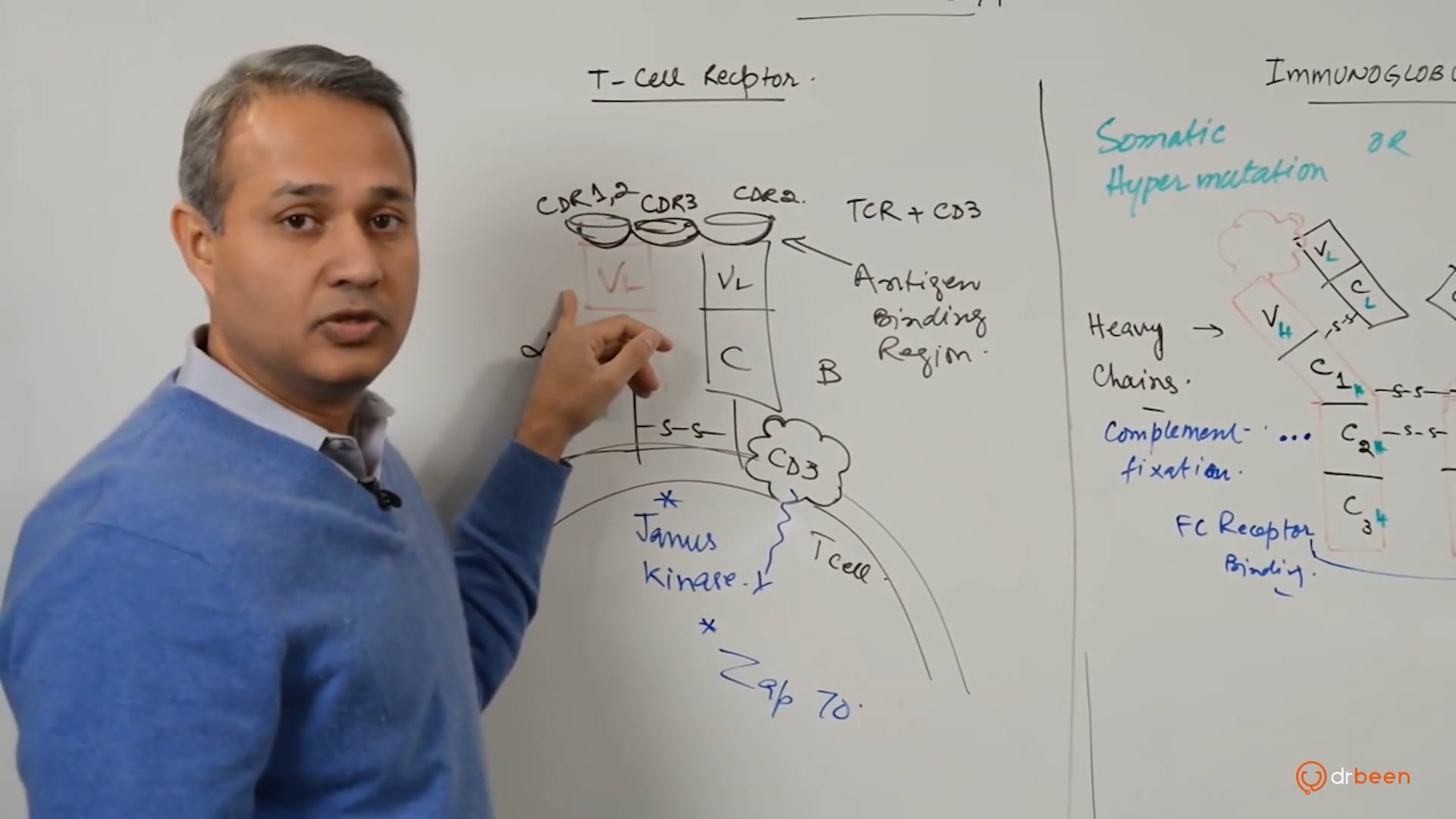
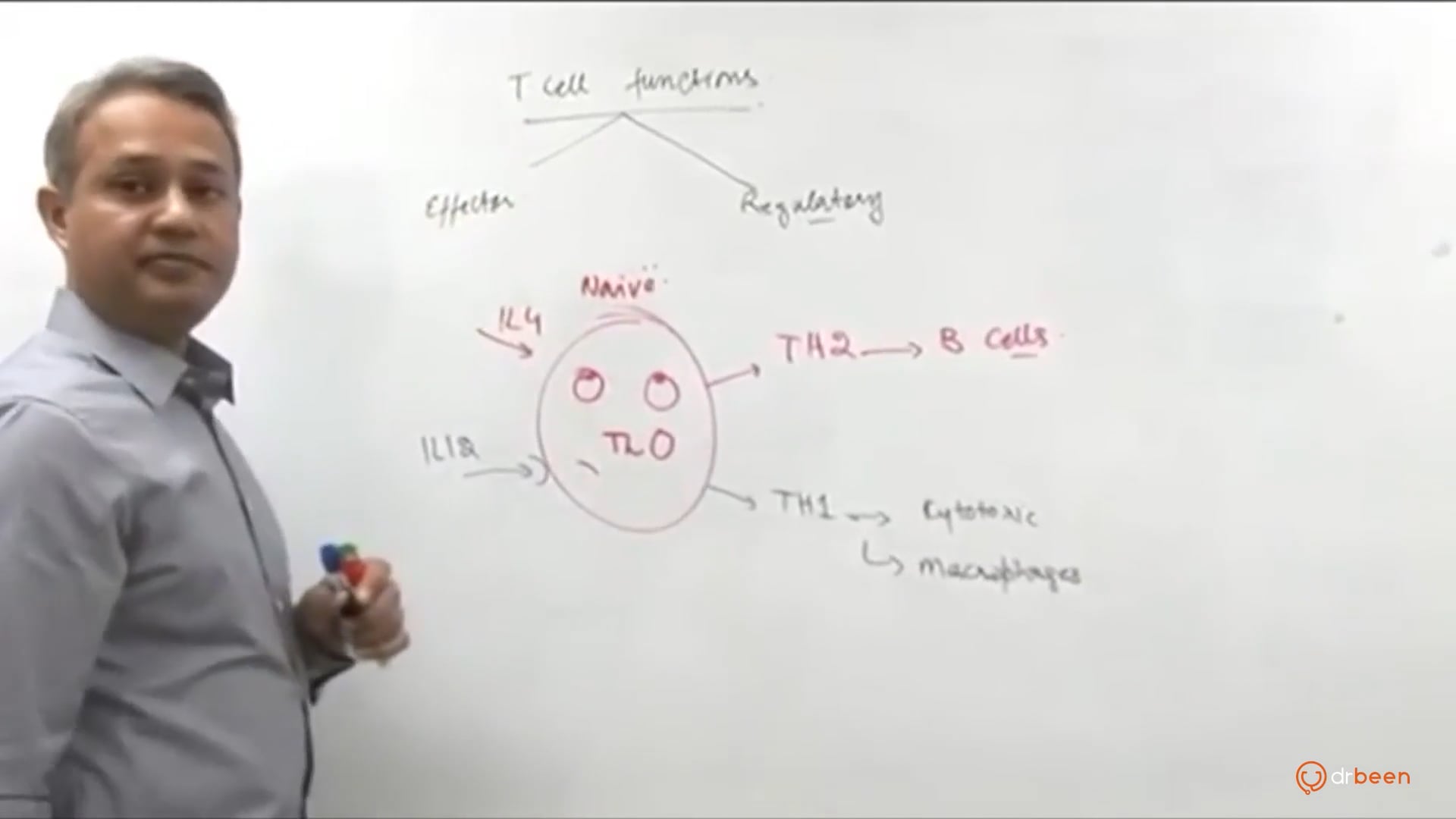
Different cellular components of the immune system perform specific functions. T cells play critical roles in orchestrating immune responses and directly killing infected cells, while B cells are responsible for antibody production, essential for neutralizing pathogens. Other cells, like natural killer (NK) cells and dendritic cells, are vital for recognizing infected or cancerous cells and presenting antigens, respectively.
Pathologies such as Bruton's agammaglobulinemia result from mutations affecting B cell development, leading to a severe deficiency in antibodies and increased susceptibility to infections. DiGeorge syndrome, caused by a deletion on chromosome 22, leads to thymic hypoplasia, resulting in impaired T cell function and various developmental issues. Hyper IgM syndrome is characterized by elevated IgM levels and low levels of other antibody classes, often due to defects in class switching, while selective immunoglobulin deficiencies can lead to recurrent infections.
Severe combined immunodeficiency (SCID) is a critical condition resulting from various genetic mutations that lead to the absence of functional T and B cells, leaving individuals highly vulnerable to infections. Job's syndrome, or hyper-IgE syndrome, is marked by elevated IgE levels and recurrent skin and lung infections due to defects in immune regulation.
Chronic granulomatous disease (CGD) is a genetic disorder affecting the ability of phagocytes to kill certain bacteria and fungi, leading to recurrent infections and granuloma formation. Leukocyte adhesion deficiency (LAD) impairs leukocyte migration to sites of infection, resulting in severe recurrent infections and delayed wound healing. Chronic mucocutaneous candidiasis is characterized by persistent candidal infections due to defects in T cell responses, highlighting the significant impact of specific immune dysfunctions on overall health.
1. Components of immune system.
2. Pathways of activation of immune system on foreign antigen entry.
3. Functions of different cellular components of immune system.
4. Pathology of Bruton's Agammaglobulinemia.
5. Pathology and effects of Digeorge syndrome.
6.Pathology and effects of Hyper IgM syndrome and selective Ig deficiency.
7. Pathology of SCID and Job's syndrome.
8. Pathology of CGD, LAD and chronic mucocutaneous candiadisis.
















Write A New Comment
0 Comments