This video is not approved for CME yet. Please check in a few days for the approval result. Thank you for your patience.
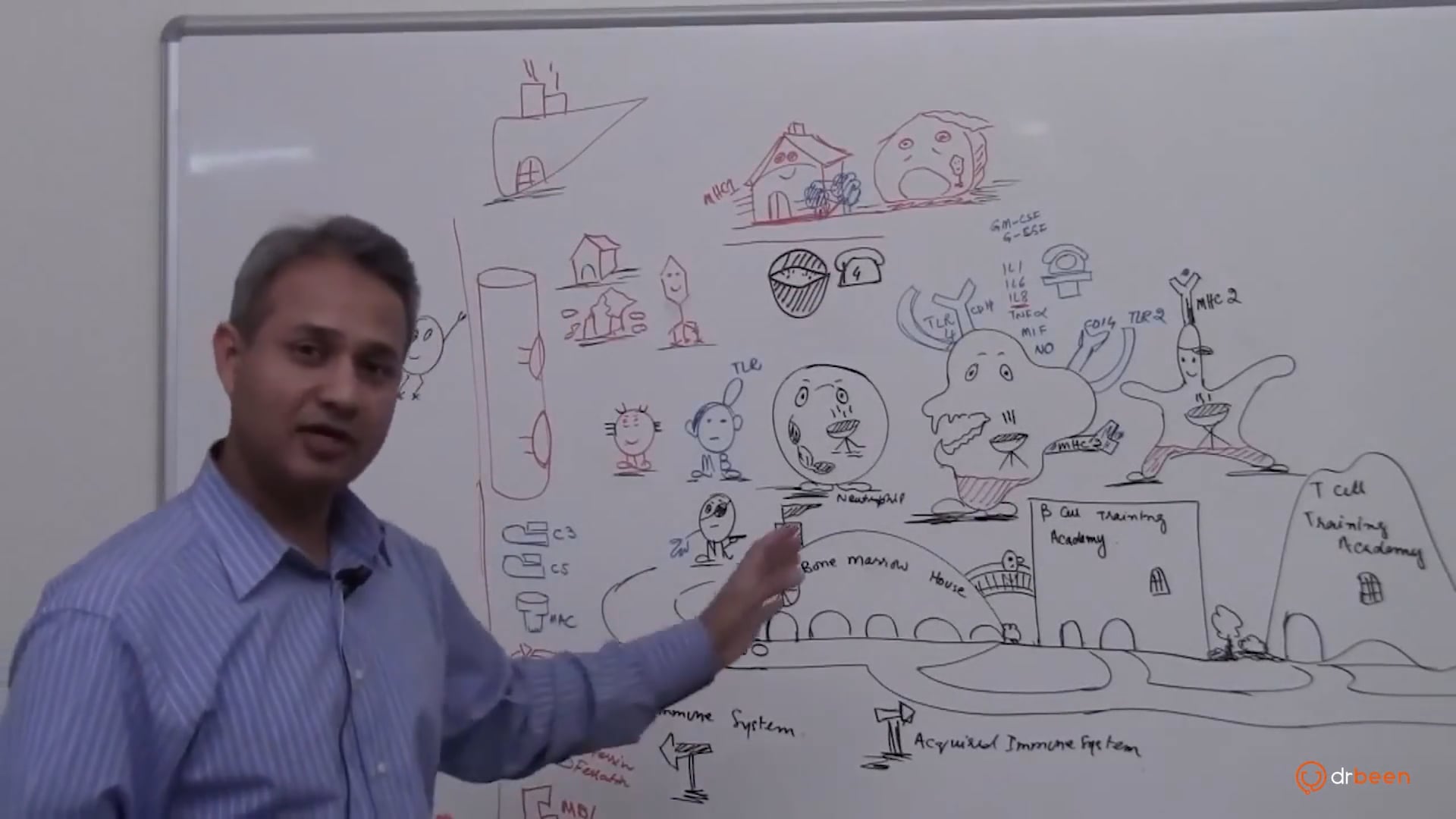
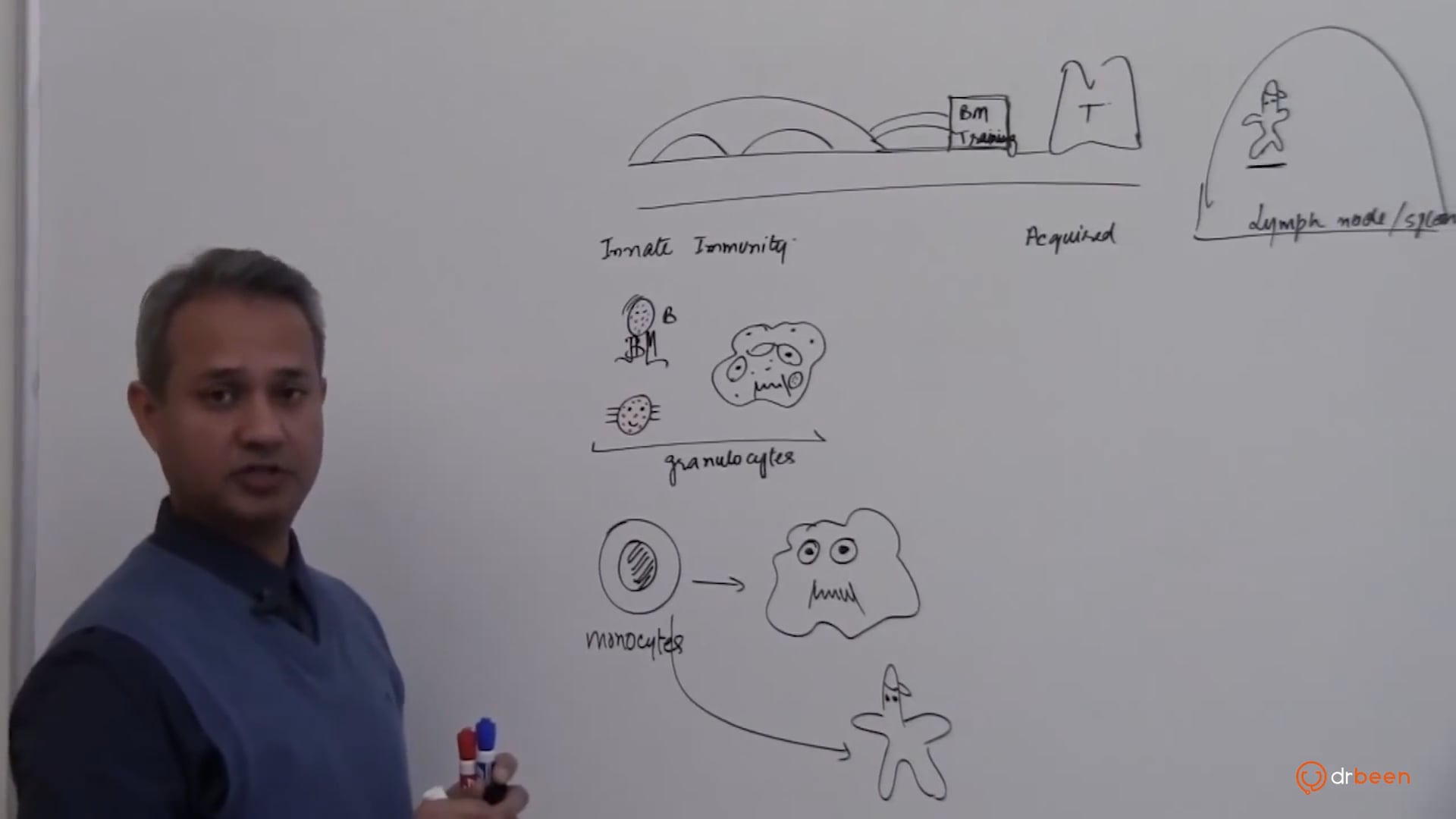
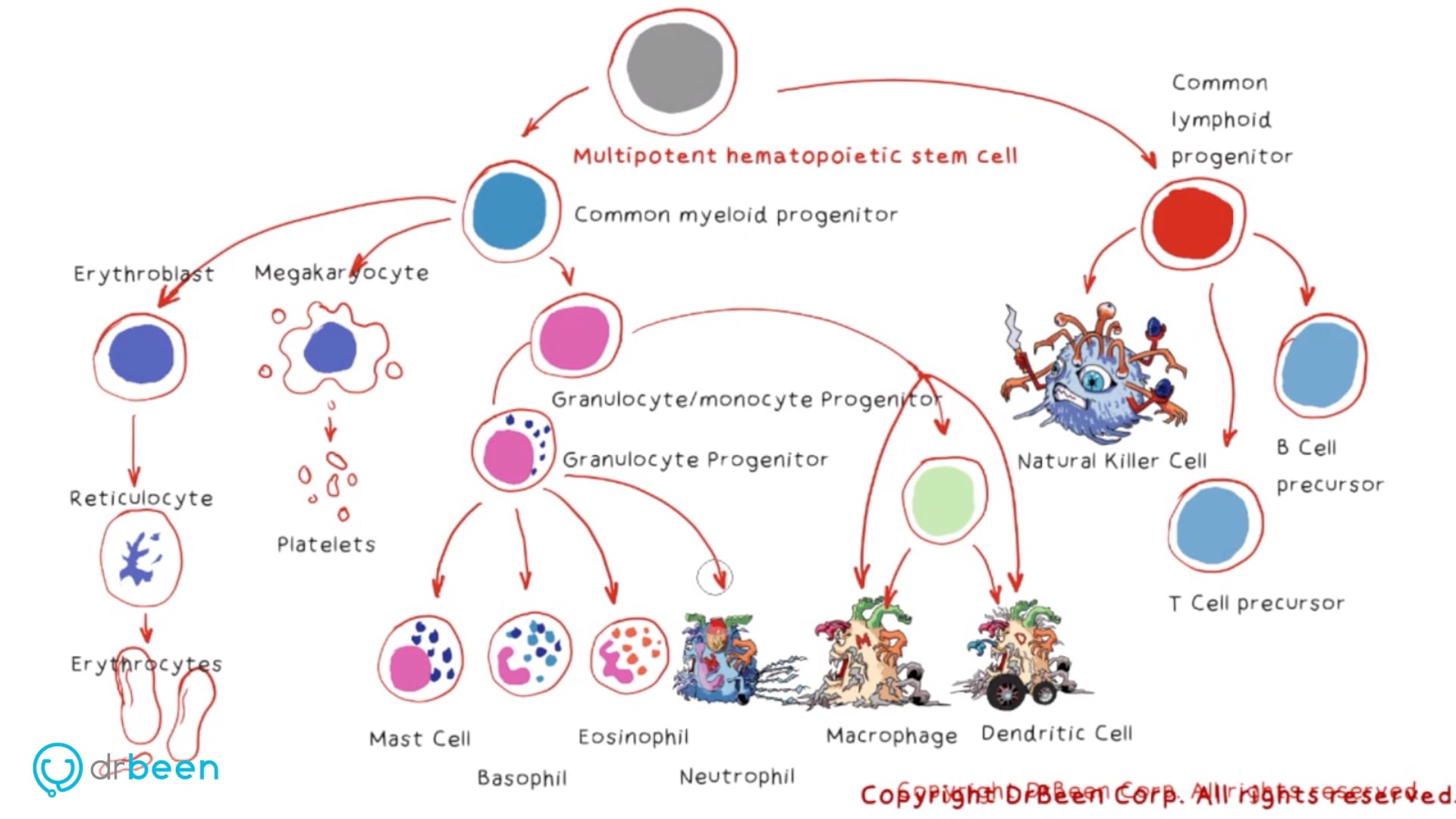
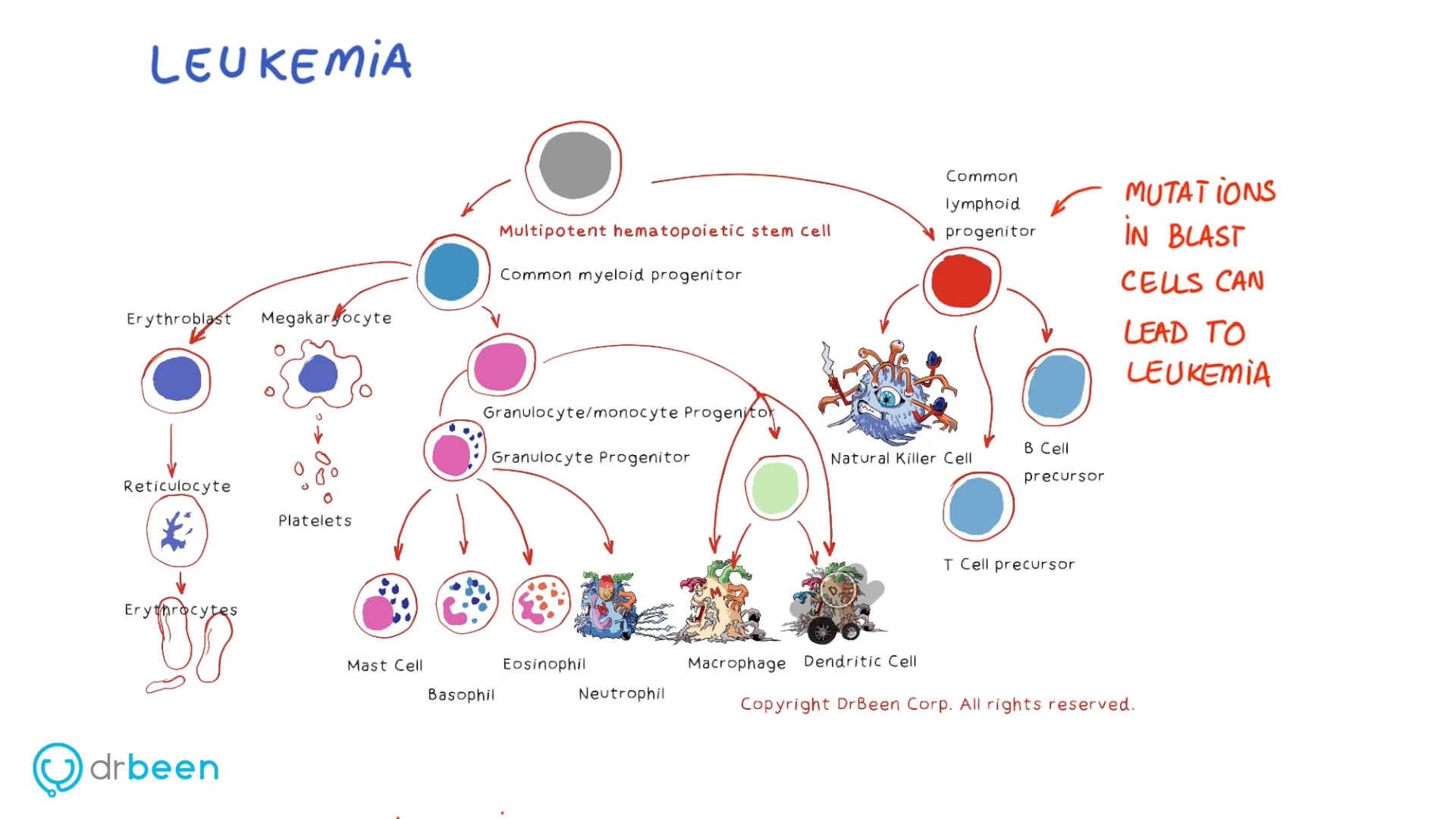
This course offers an in-depth exploration of macrophages, key players in the body’s immune defense. It begins with an overview of their formation from monocytes, highlighting their morphology and presence across various tissues. Specialized macrophages, including Kupffer cells in the liver, microglia in the brain, and osteoclasts in bone, will be studied to understand their unique tissue-specific functions.
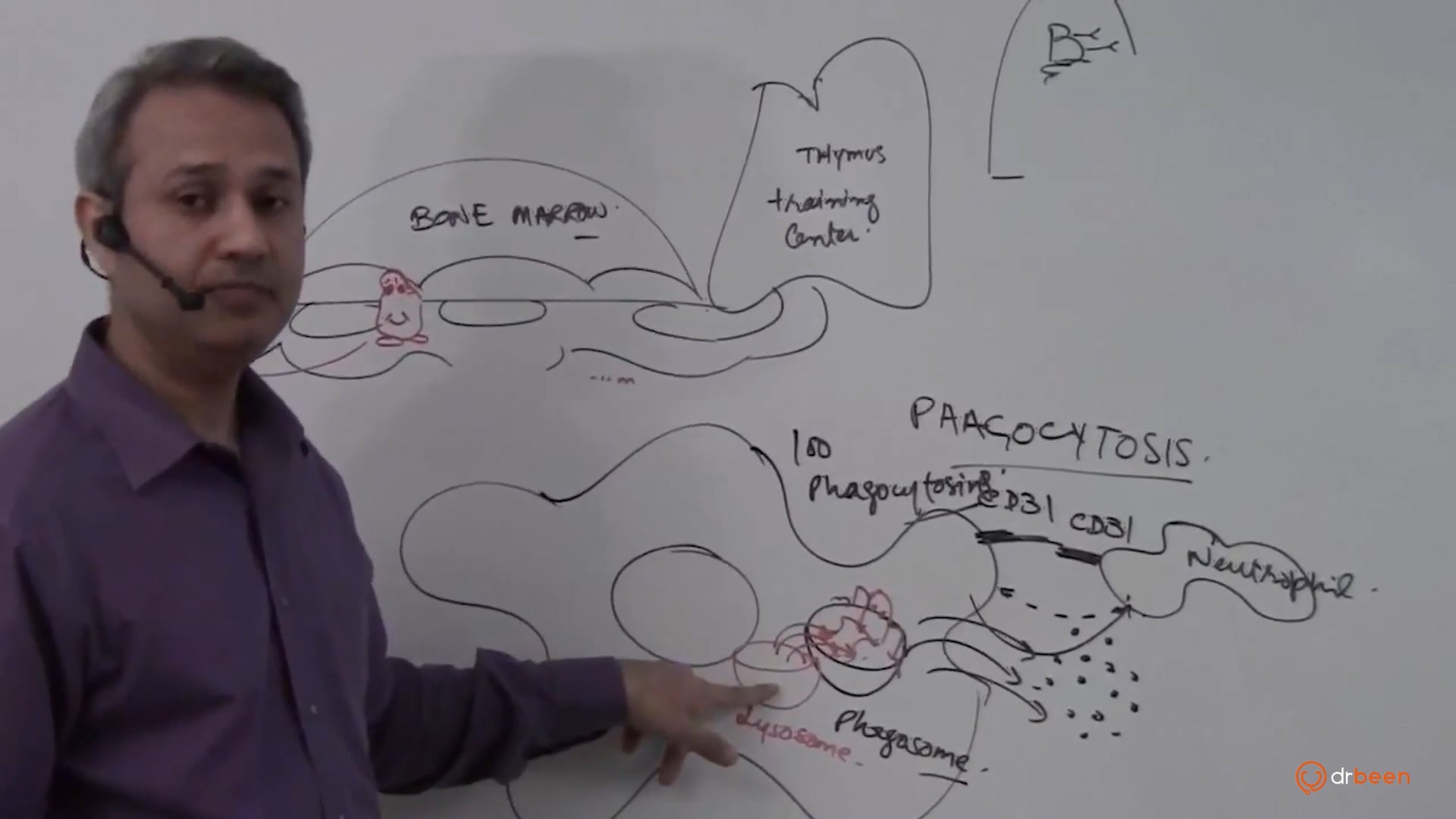
A significant part of the course is dedicated to the mechanisms of phagocytosis, a crucial process by which macrophages engulf and destroy pathogens. The role of enzymes and toll-like receptors in this process is explained, as well as macrophages' interaction with neutrophils to fight infections. The secretion of cytokines such as Interferon-gamma (IFNγ), IL-8, IL-10, and TNF-α is also covered, showing how macrophages modulate inflammation and immune response.
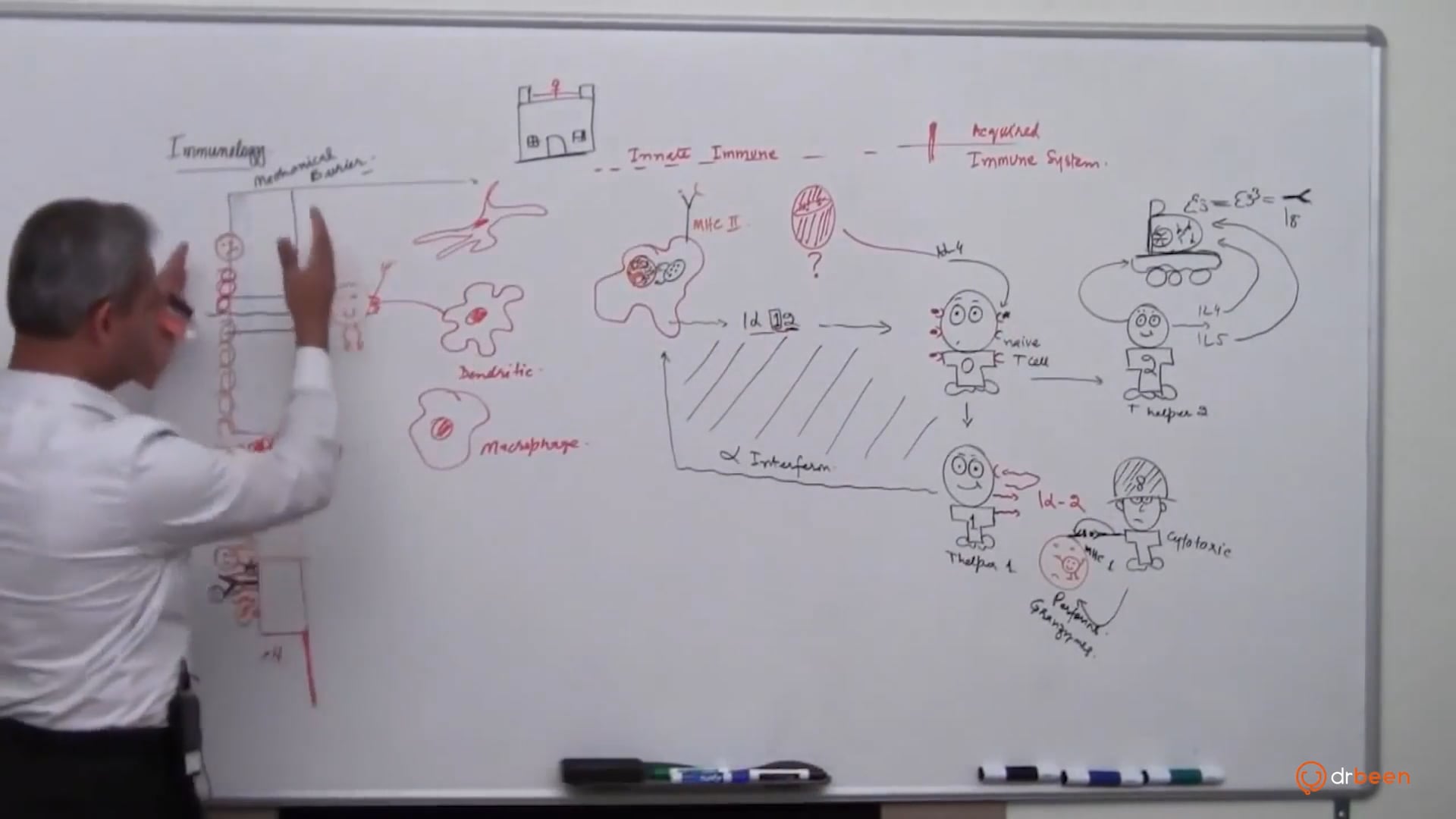
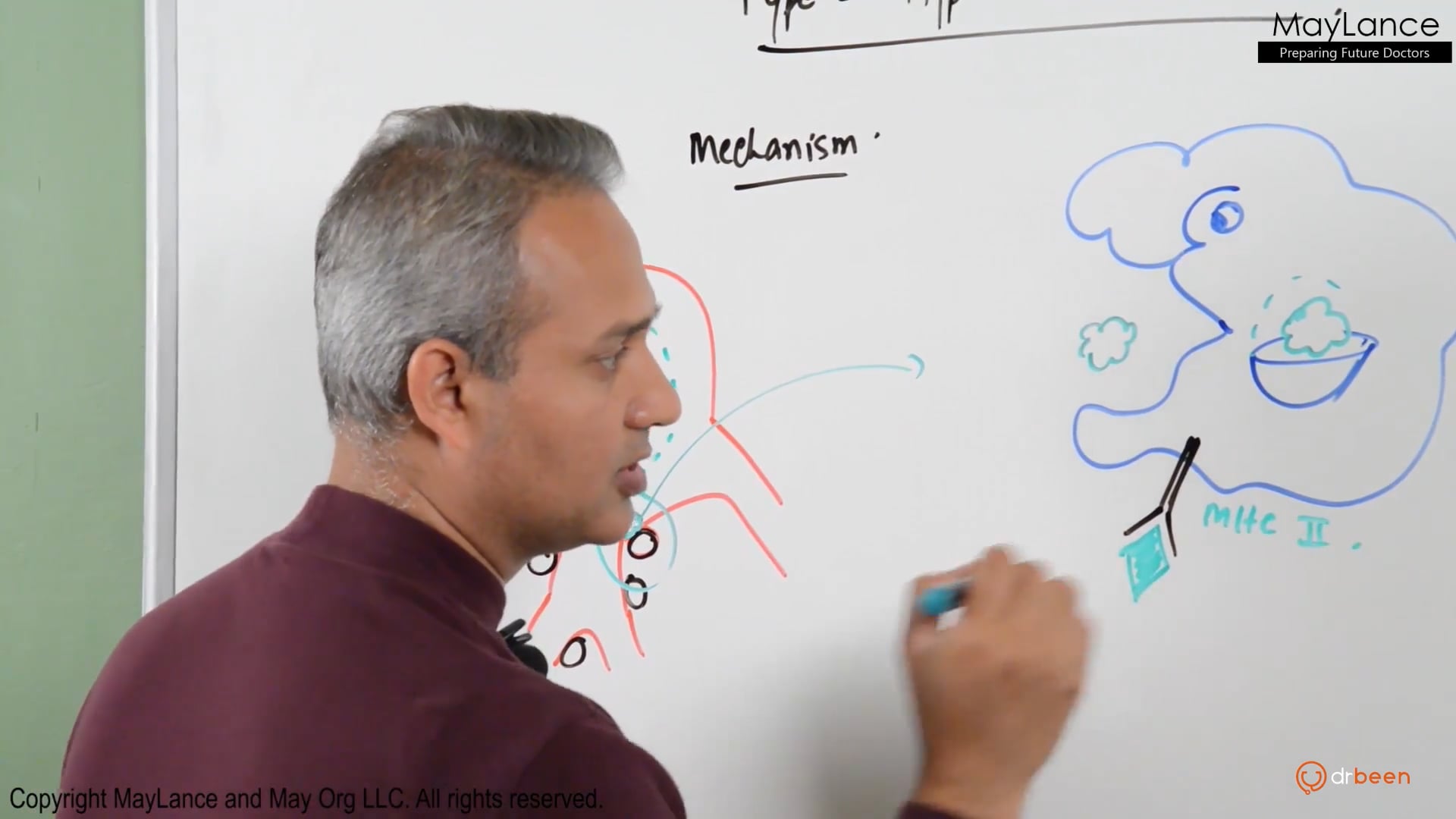
The course dives into antigen presentation, where macrophages play a critical role in displaying antigens through MHC-II to activate other immune cells. In addition, the production of reactive oxygen species, including superoxide, is explored to understand how macrophages kill pathogens and how antioxidants prevent damage from free radicals.
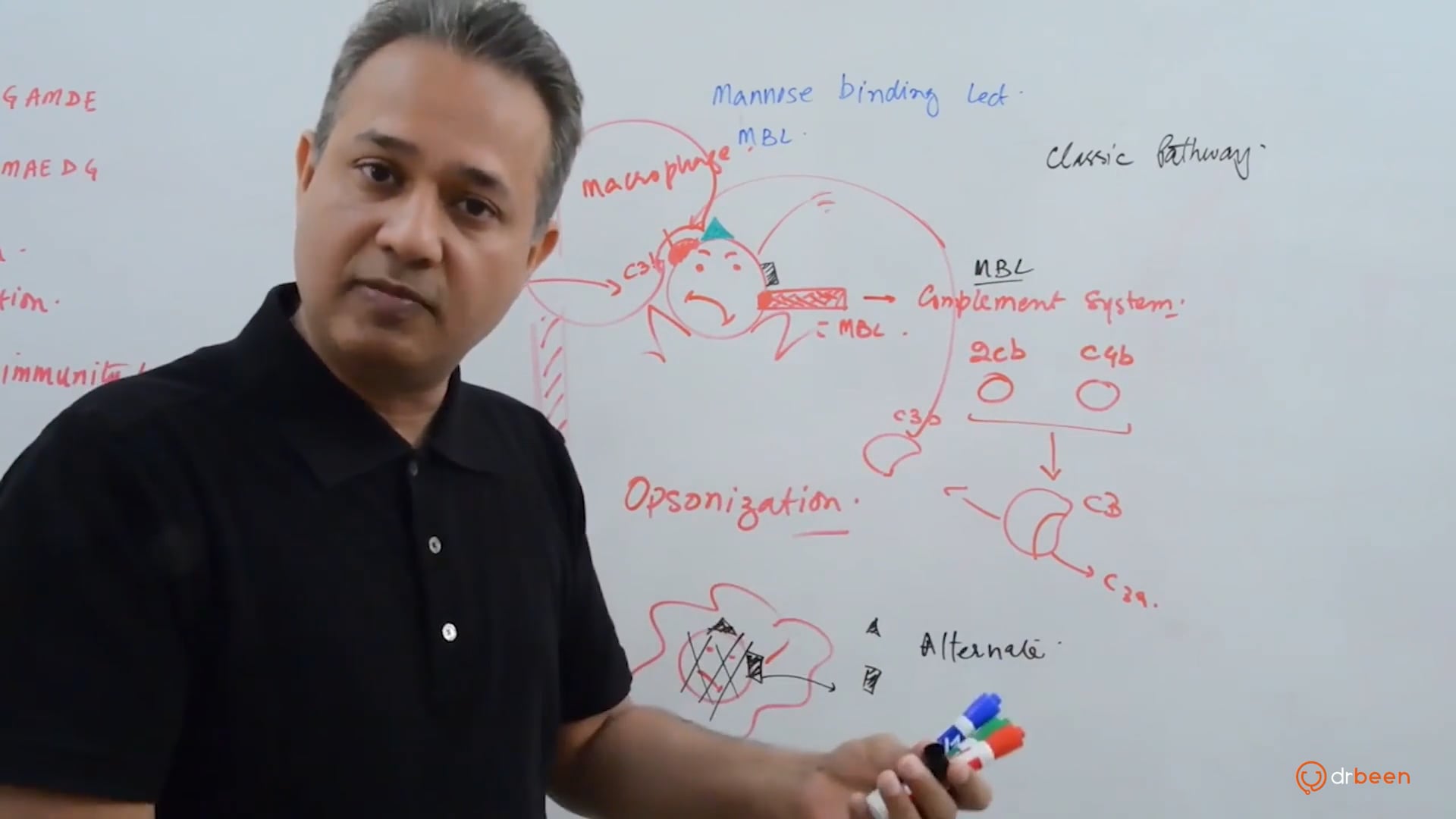
Regulatory mechanisms, especially the role of transforming growth factor-beta (TGF-β) in controlling macrophage activity, will be discussed. The course will also examine the reversal of TGF-β’s downregulation when pathogens are present. Moreover, we will study the role of opsonins in enhancing phagocytosis and macrophage surface proteins that contribute to immune functioning.
Finally, the course examines the effects of chronic alcoholism on liver immunity, particularly how it impacts Kupffer cells and overall liver function. By the end of this course, students will have a solid understanding of macrophage biology and their pivotal role in maintaining immune homeostasis.
- Overview of macrophage formation, definition, morphology, and tissue-specific locations.
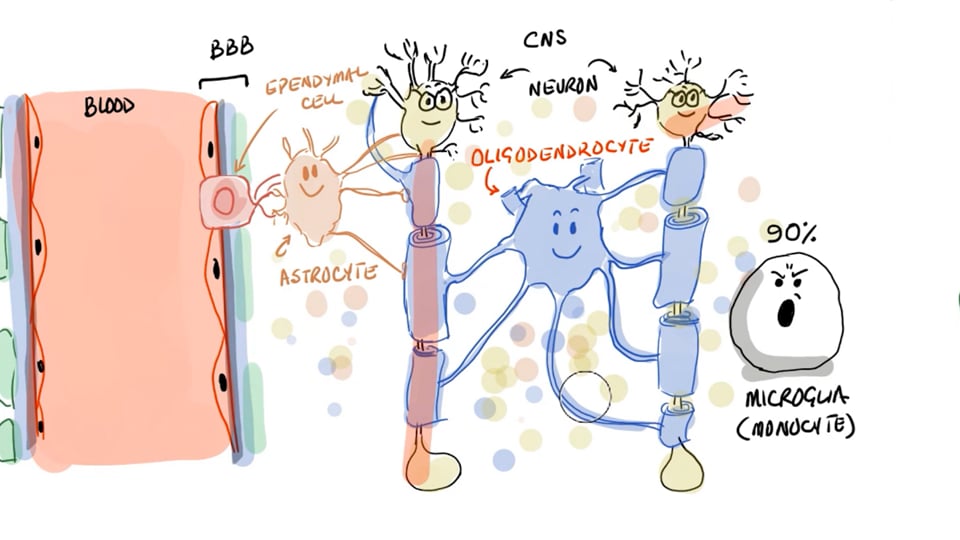
- Explore the roles of tissue-specific macrophages such as Kupffer cells, microglia, and osteoclasts.
- Understand the process and mechanisms of phagocytosis, including enzyme involvement and toll-like receptors.
- Study cytokine secretion by macrophages, including IFNγ, IL-8, IL-10, IL-12, and TNF-α.
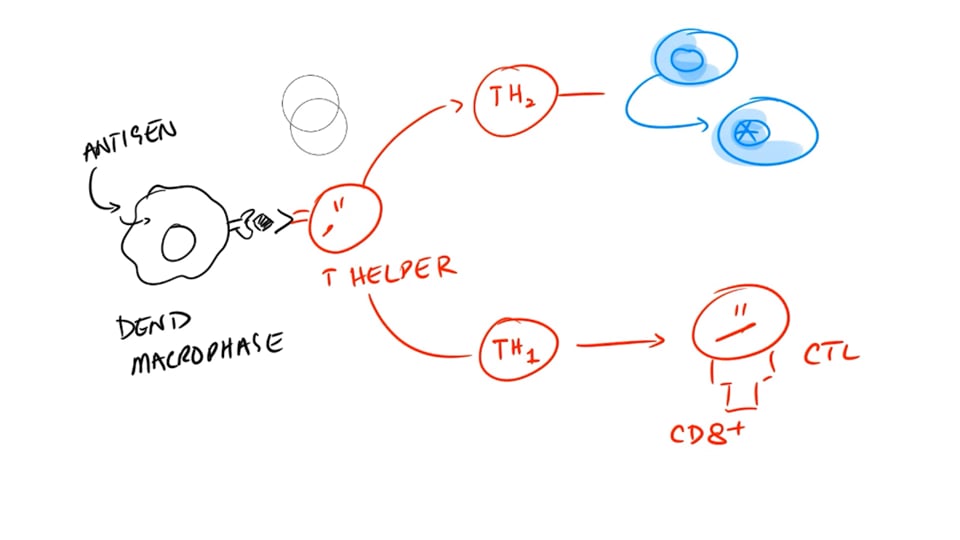
- Examine the role of macrophages in antigen presentation through MHC-II and immune activation.
- Understand the integrated functions of macrophages and neutrophils in pathogen defense.
- Learn about the production of reactive oxygen species and the role of superoxide in pathogen destruction.
- Explore the regulatory role of TGF-β in macrophage activation and its downregulation in the presence of pathogens.
- Understand the role of opsonins in enhancing phagocytosis and the function of macrophage surface proteins.
- Study the impact of chronic alcoholism on liver immunity and the functioning of Kupffer cells.


Write A New Comment
2 Comments
mshirazyasin@*.com
Oct 20 2025, 7:01 am
its very slow browsing very slow
mshirazyasin@*.com
Oct 20 2025, 7:01 am
its very slow browsing very slow