This video is not approved for CME yet. Please check in a few days for the approval result. Thank you for your patience.
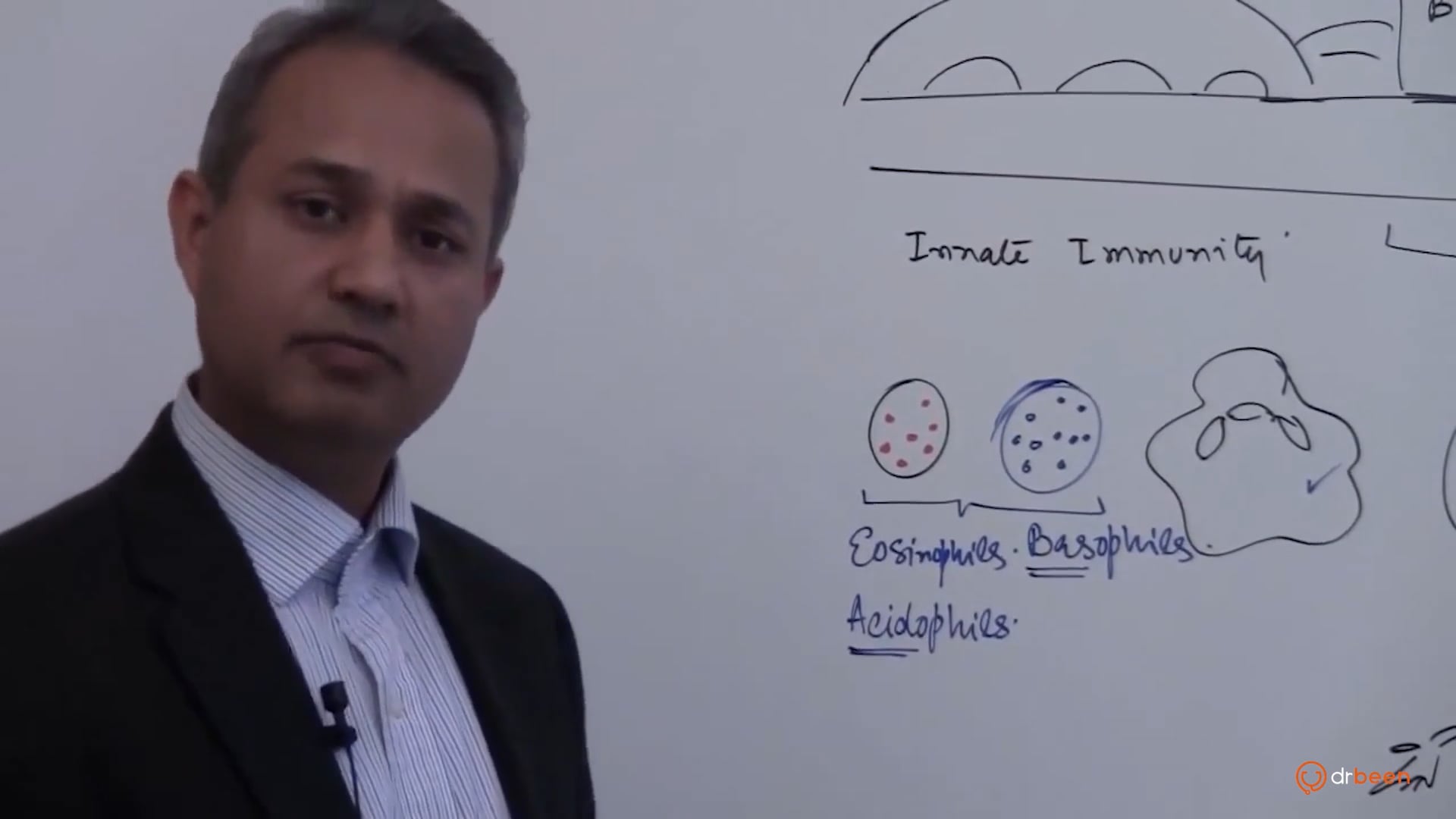
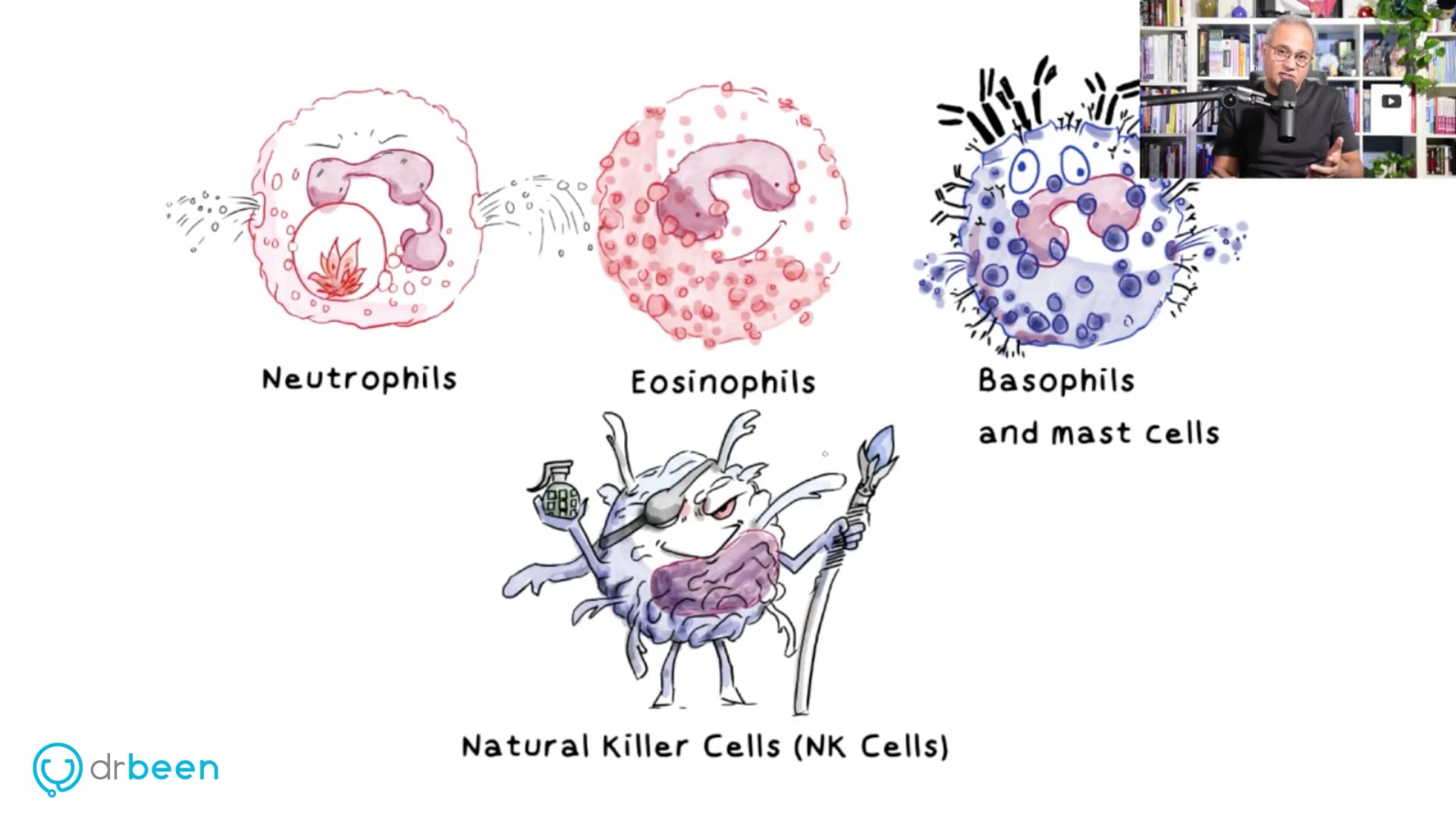
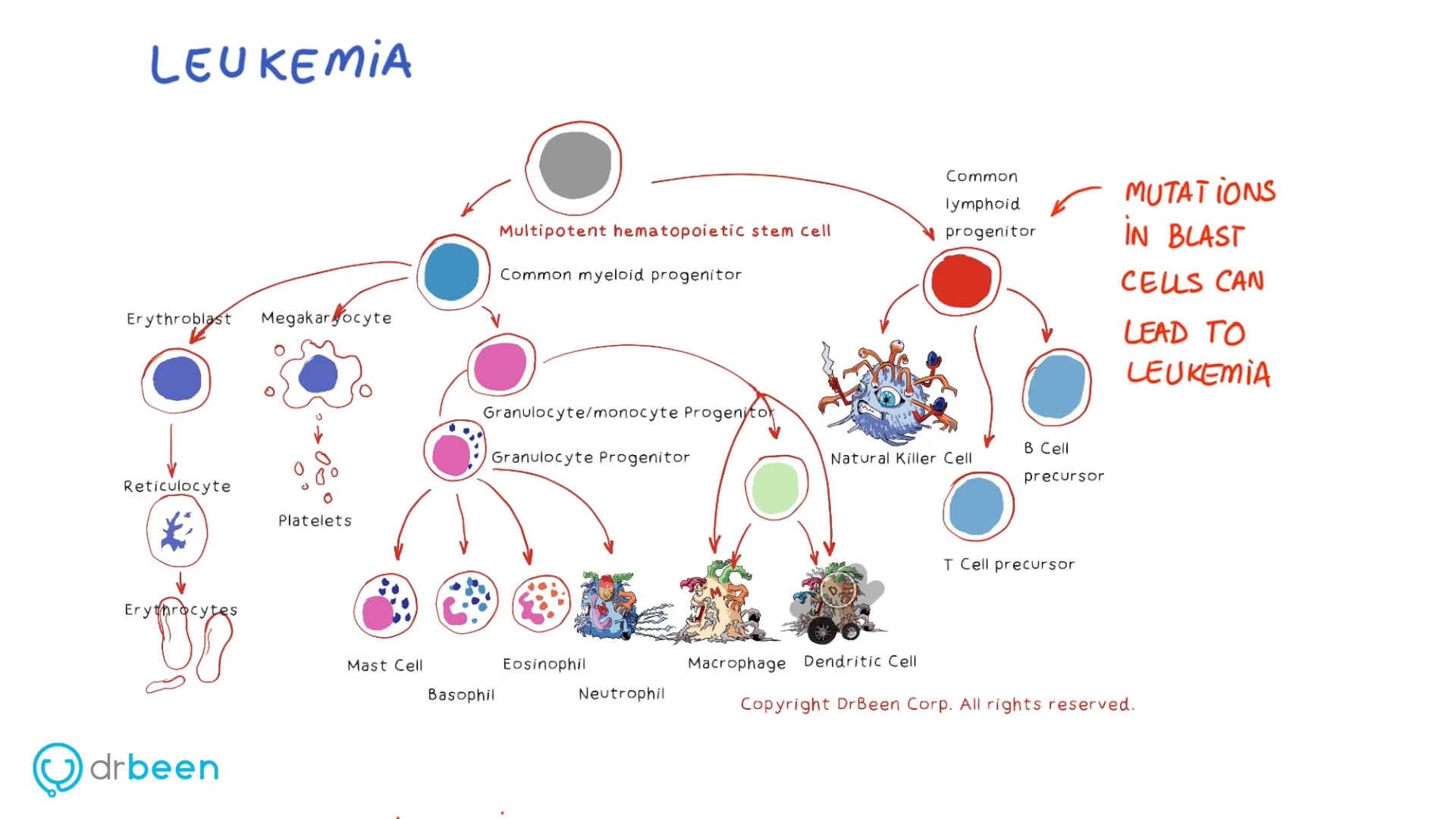
This course offers an in-depth review of immune system cells, focusing on granulocytes like basophils and eosinophils. It starts by exploring their structure, production, and the chemicals that stimulate their increase, along with the differences between basophils and mast cells. The structure and function of their granules are explained, highlighting their involvement in immune responses, particularly in allergic reactions.
The concept of allergens and antigens is introduced, along with the genetic predisposition to allergies. The role of IgE antibodies in mediating anaphylaxis and how cGMP influences histamine release is covered in detail. Additionally, the mechanism of histamine’s action and the role of cAMP in stabilizing mast cell membranes are examined, explaining how these processes contribute to allergic reactions.
The course also covers the preformed chemotactic factors released in the acute phase of immune responses, as well as the lipid mediators and leukotrienes involved in late-phase anaphylaxis. The potential inflammatory effects of leukotriene B4 and other slow-reacting substances are explained, along with the triggers of anaphylactoid reactions. The interaction between eosinophils and allergies is also discussed, including eosinophils’ ability to reduce allergic reactions and their harmful effects during asthma.
The final section delves into eosinophils' structure and function, particularly in helminthic infections and antibody-dependent cellular cytotoxicity (ADCC). The role of eosinophils in asthma is explained, focusing on the consequences of their activation and the inflammatory mediators they release during allergic and immune responses.
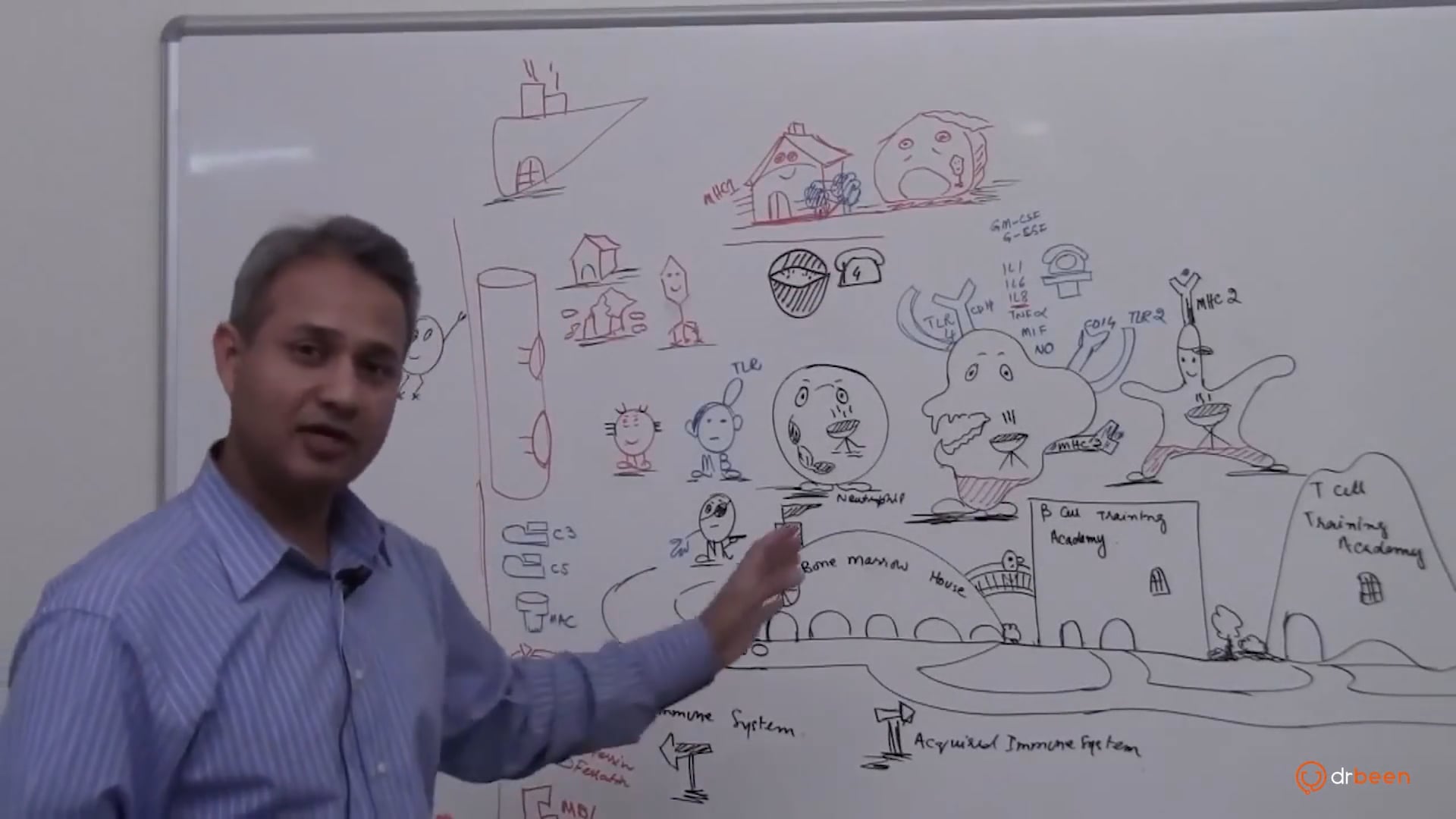
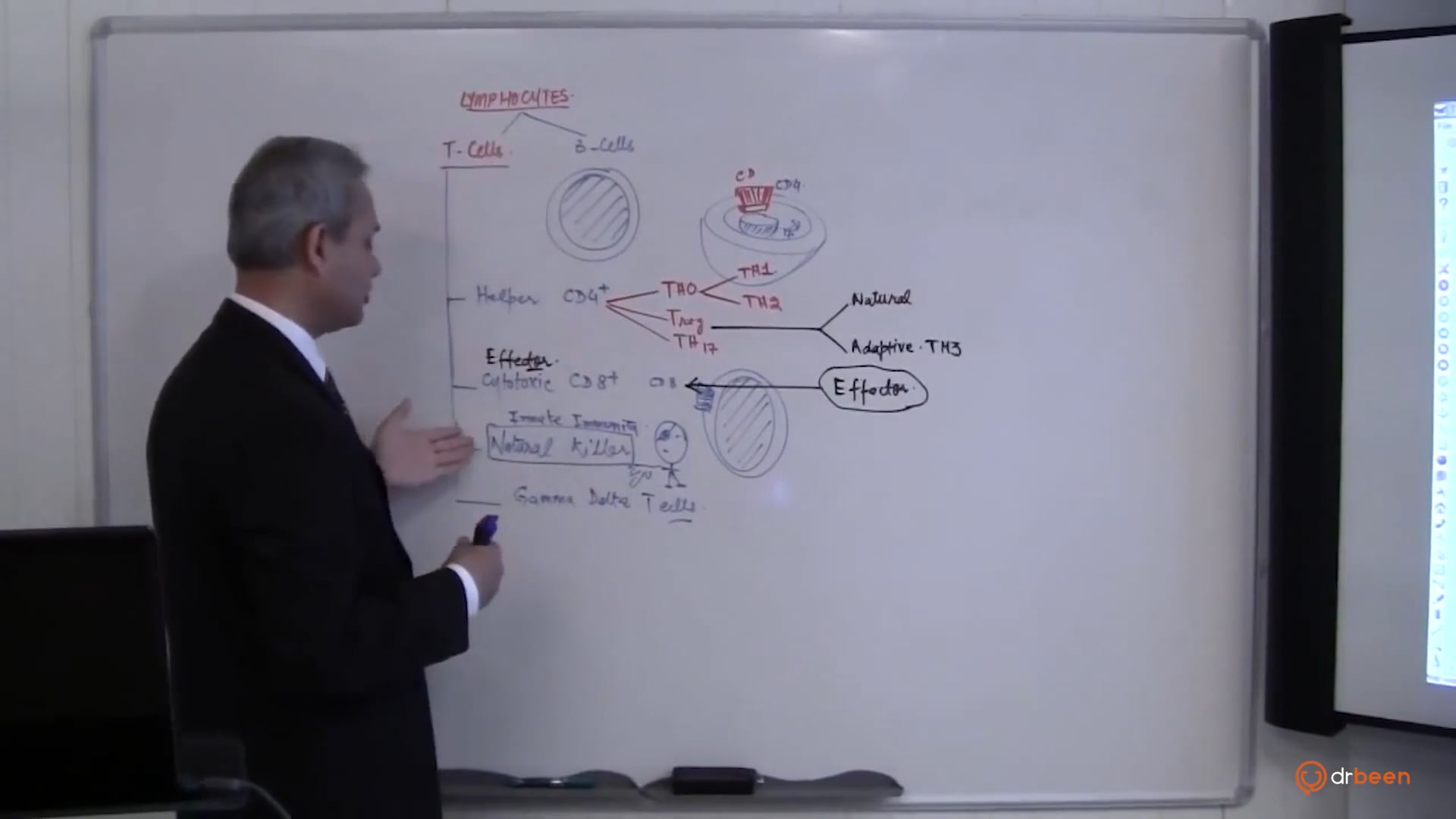
- Review of the cells involved in immune system.
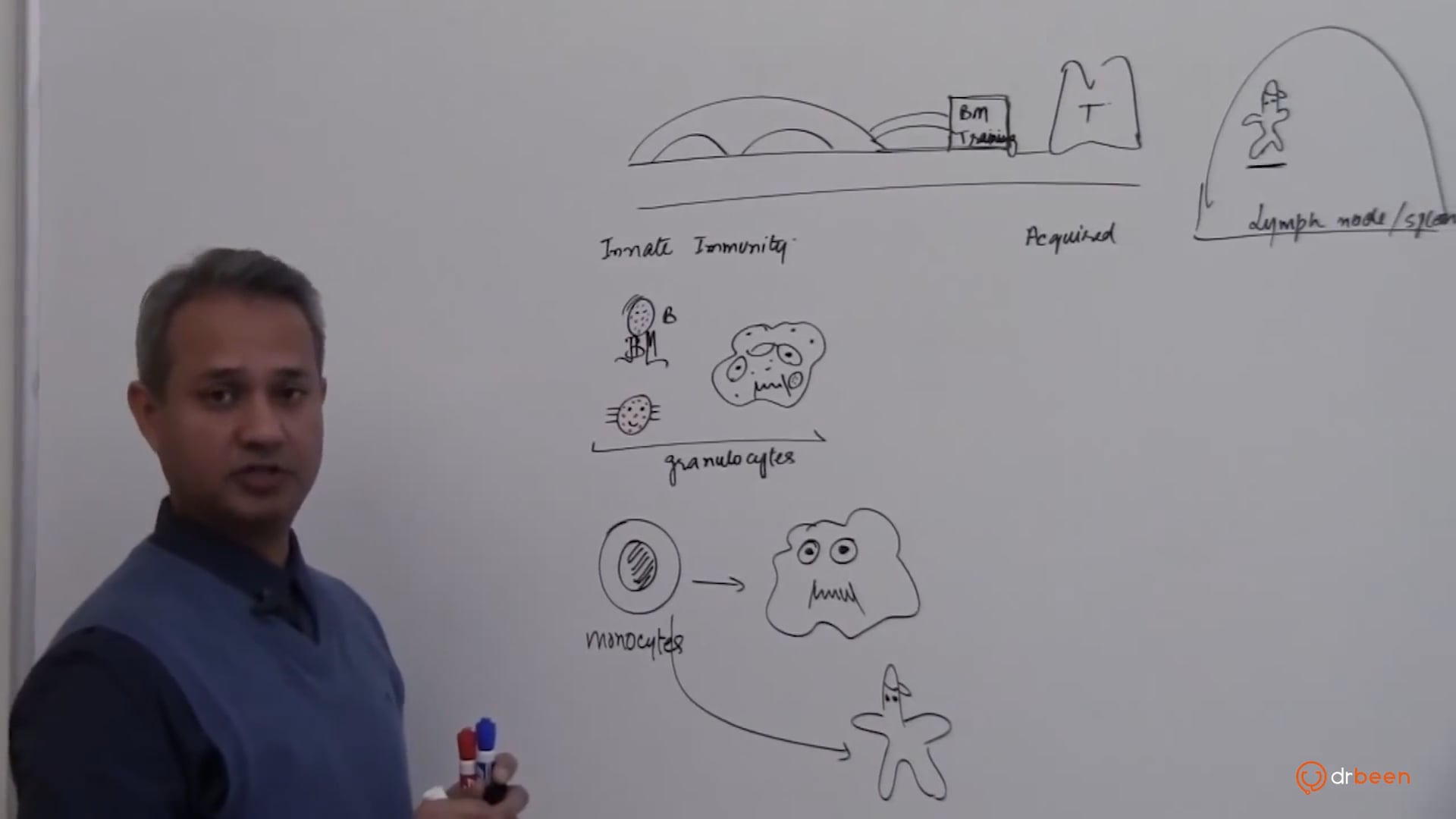
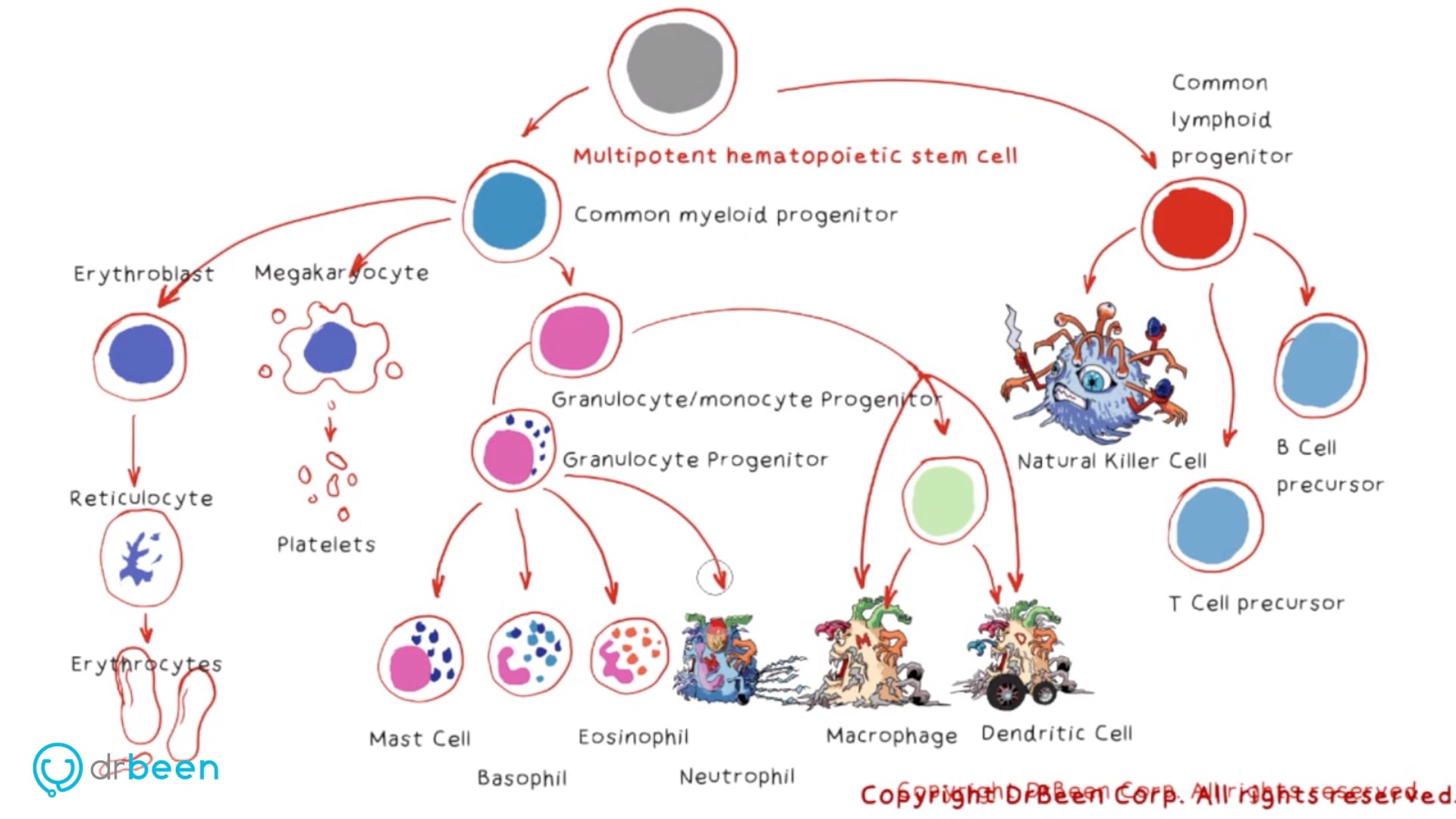
- Granulocytes (Basophils and eosinophils).
- Difference between a basophil and a mast cell.
- Recap of production of basophils.
- Chemicals that cause increase in their production.
- Structure of basophil/mast cells.
- Primary functions of the contents in their granules.
- Concept of allergin and antigen.
- Genetic disposition to allergic reactions.
- How IgE antibodies mediate anaphylaxis.
- Role of cGMP in relese of histamine. The mechanism of action of histamine.
- cAMP and its function in membrane stabilization of mast cells.
- The mechanism of releases of preformed chemotactic factors in the acute phase.
- Different lipid mediators of anaphylaxis reaction.
- Role of leukotrienes in mediating the late phase anaphylaxis reaction.
- Potential effect of leukotriene B4 in causing inflammation.
- The slow-reacting substances involved in anaphylaxis.
- Mechanism of an anaphylactoid reaction.
- Various triggers for allergy.
- Role of eosinophils in reducing allergic reaction and secondary harmful effects of eosinophils on the body.
- Eosinophils: basic structure and properties.
- Functions of eosinophils in helminthic infections and antibody-dependent cellular cytotoxicity (ADCC).
- An overview mechanism of ADCC.
- The possible role of eosinophils in asthma.
- Consequences of activation of eosinophils in case of asthma.
- Different inflammatory chemical mediators released from eosinophils.


Write A New Comment
0 Comments