This video is not approved for CME yet. Please check in a few days for the approval result. Thank you for your patience.
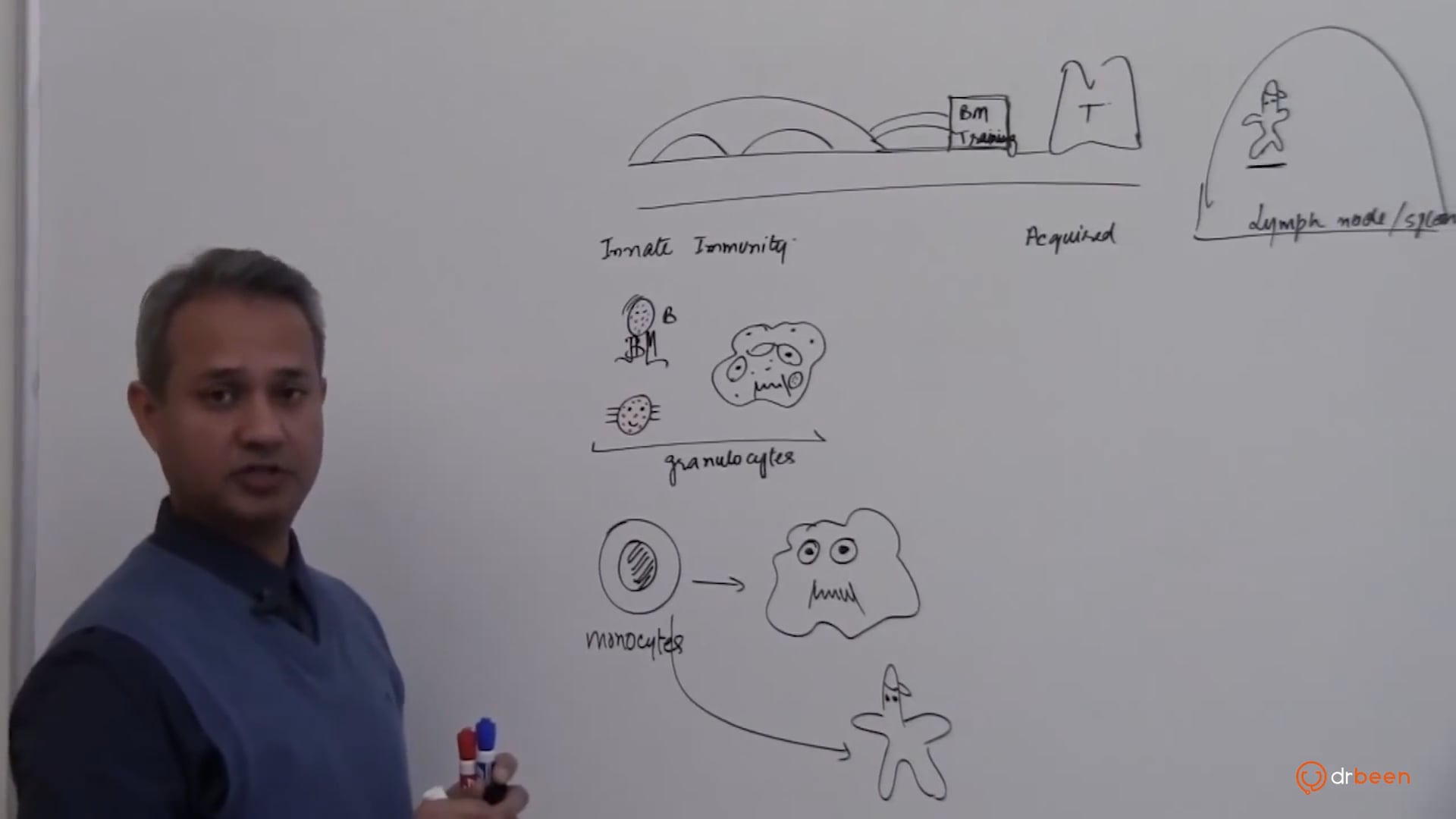
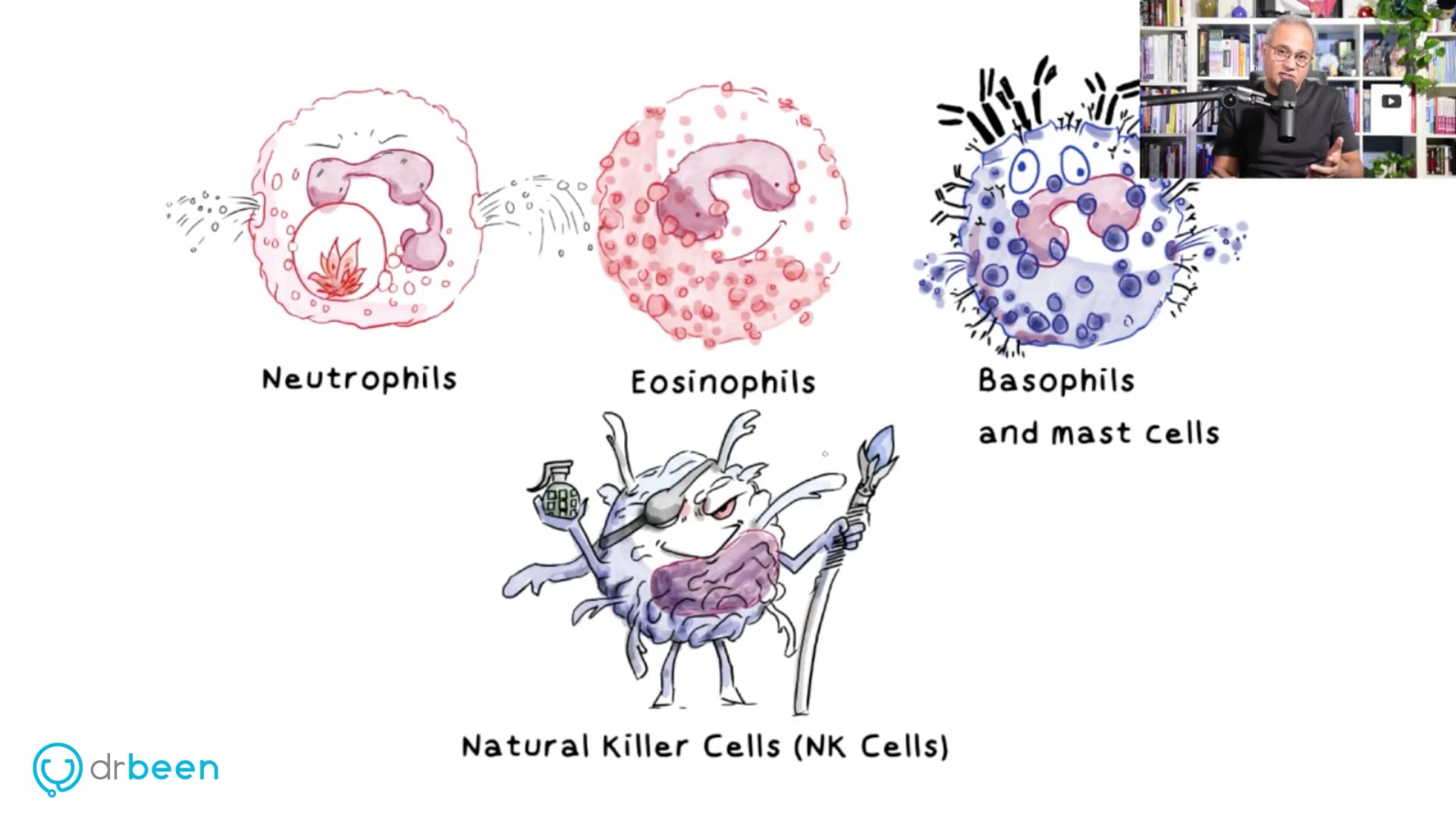
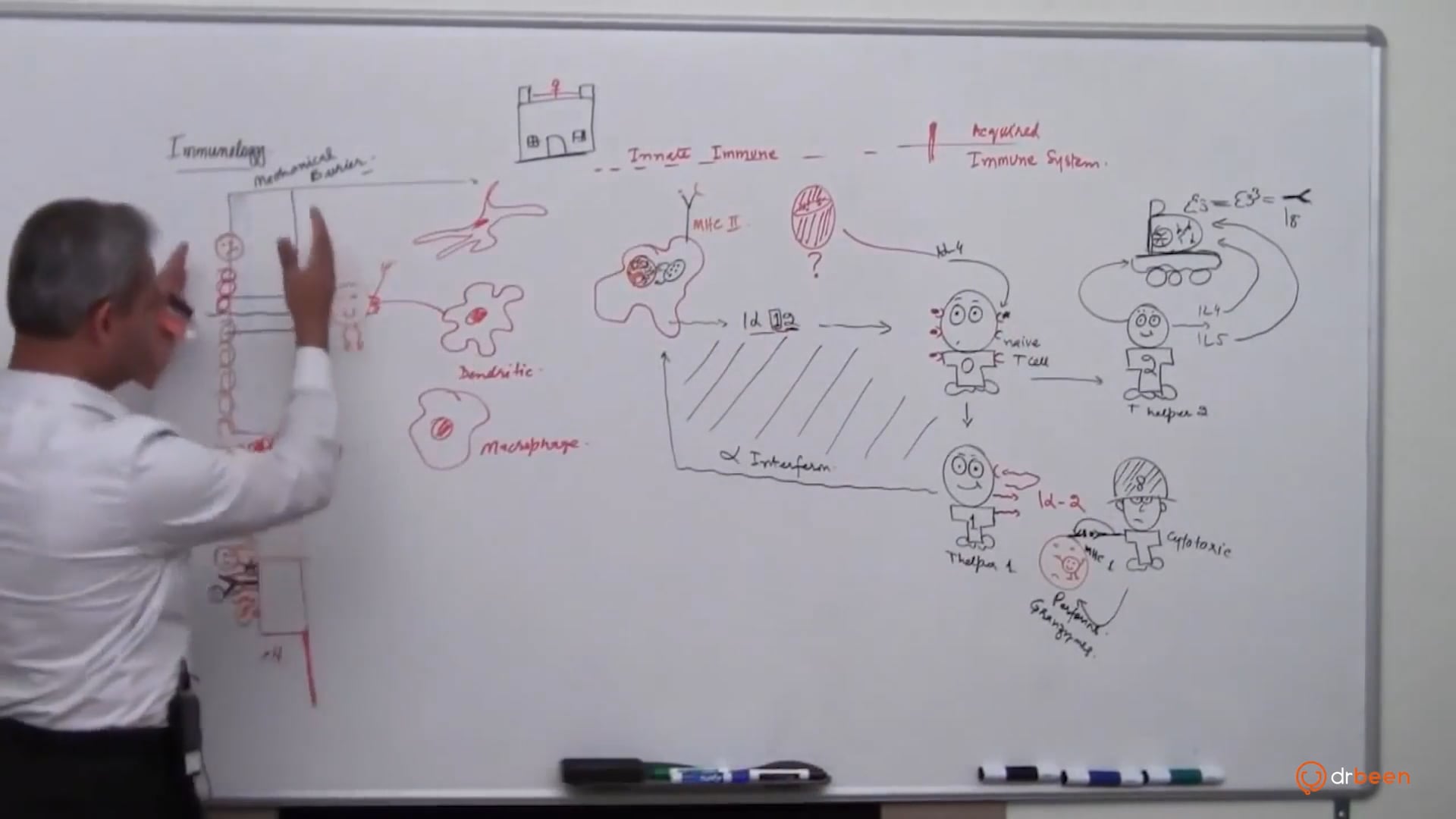
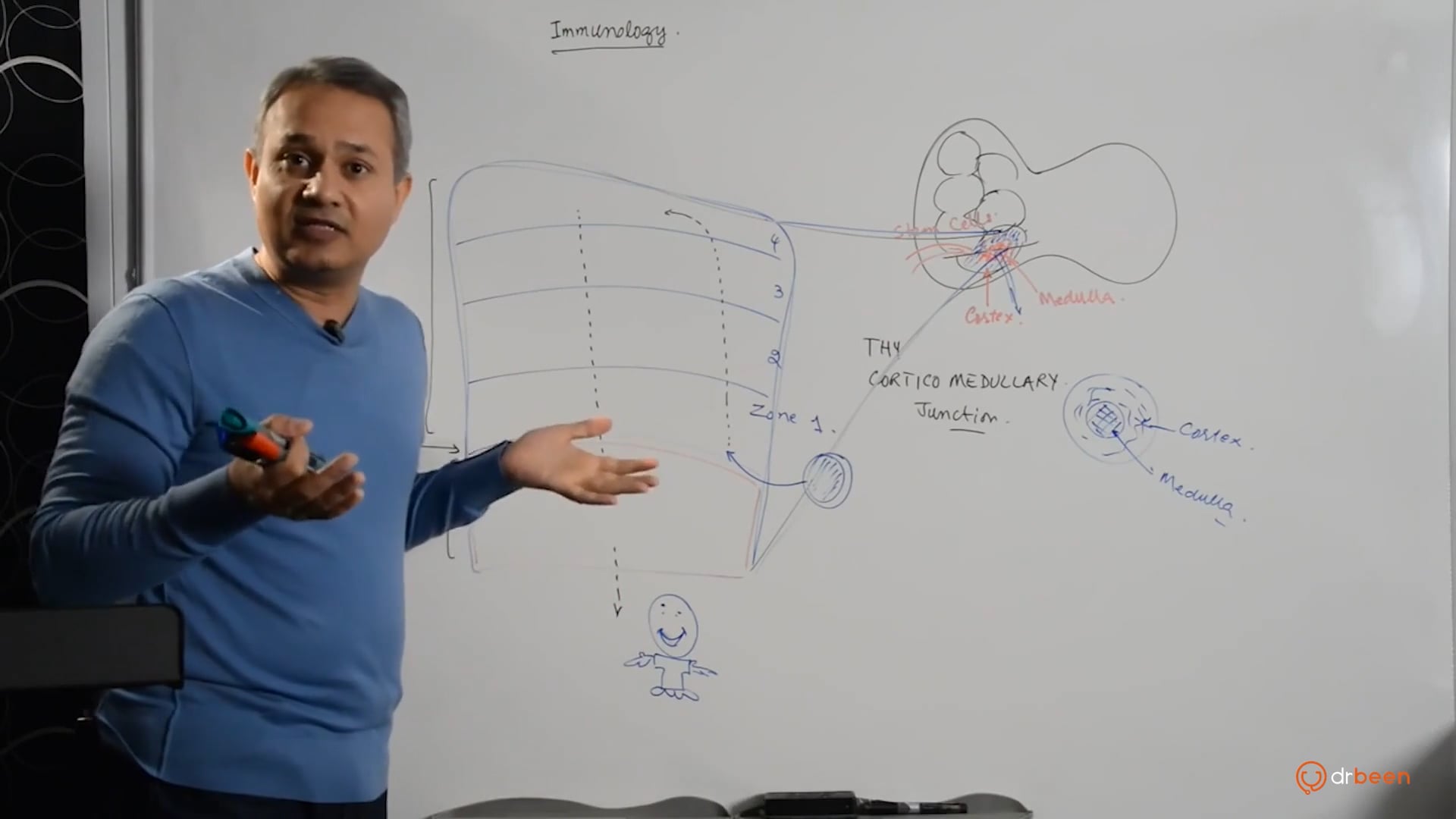
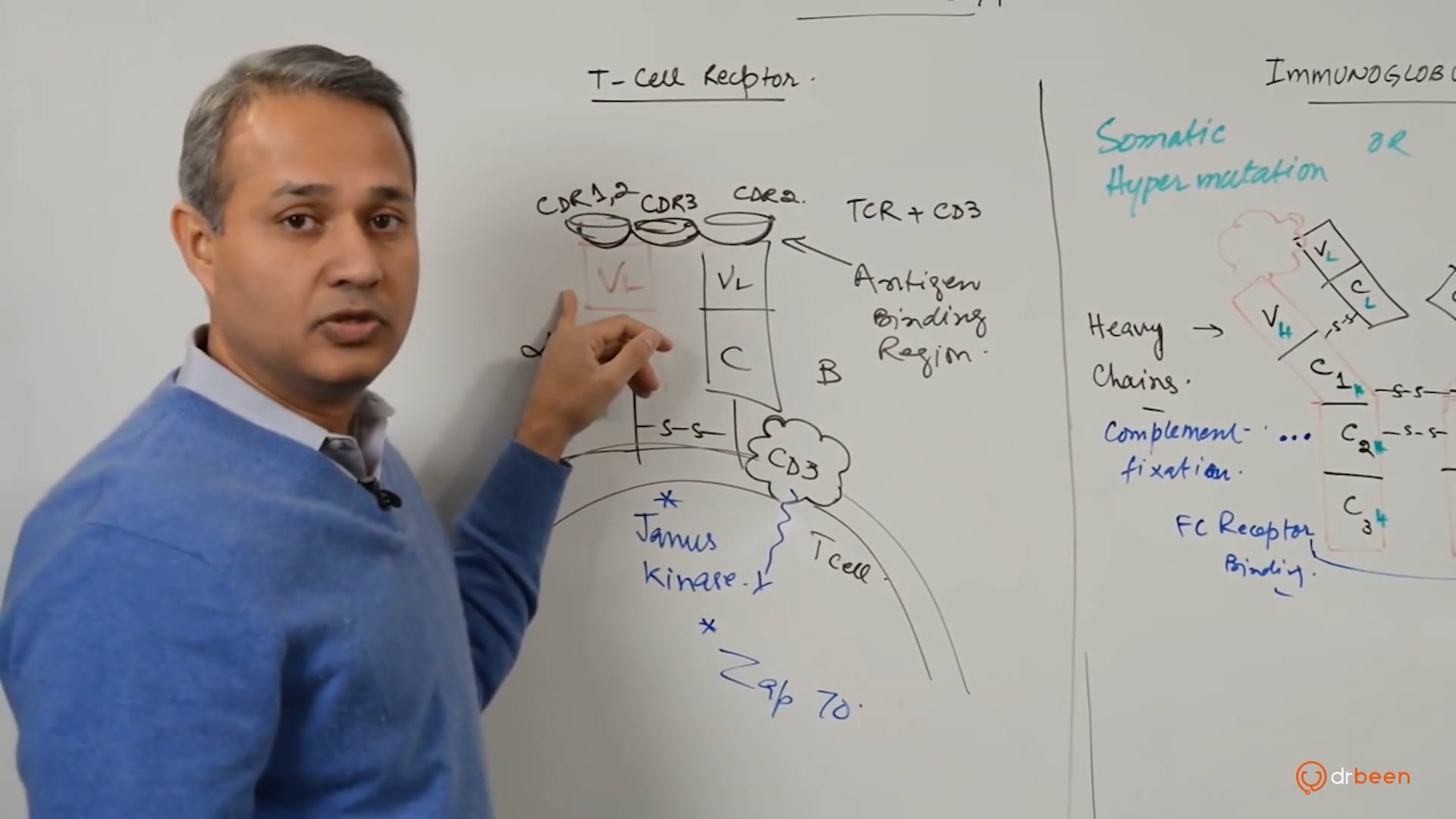
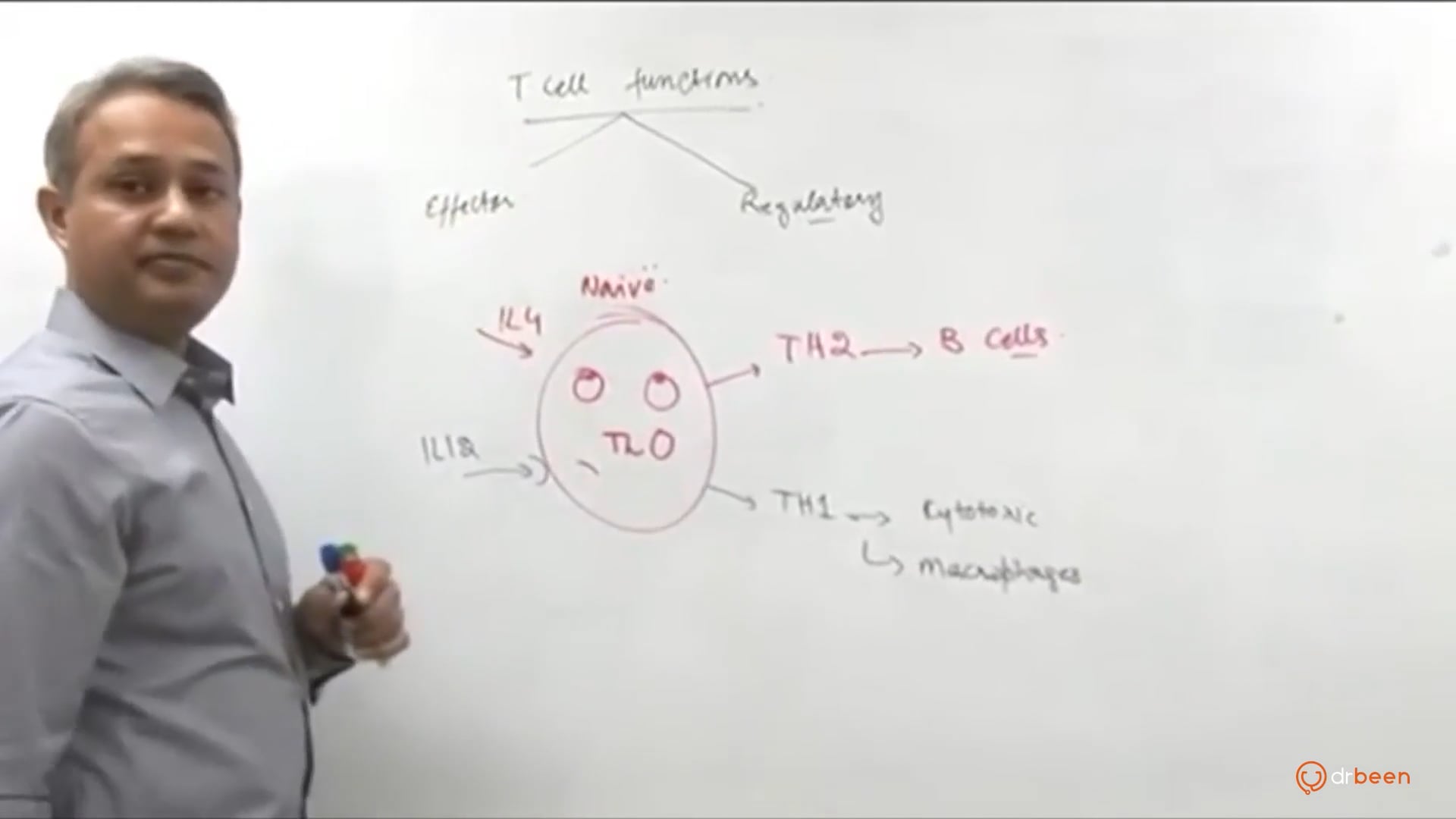
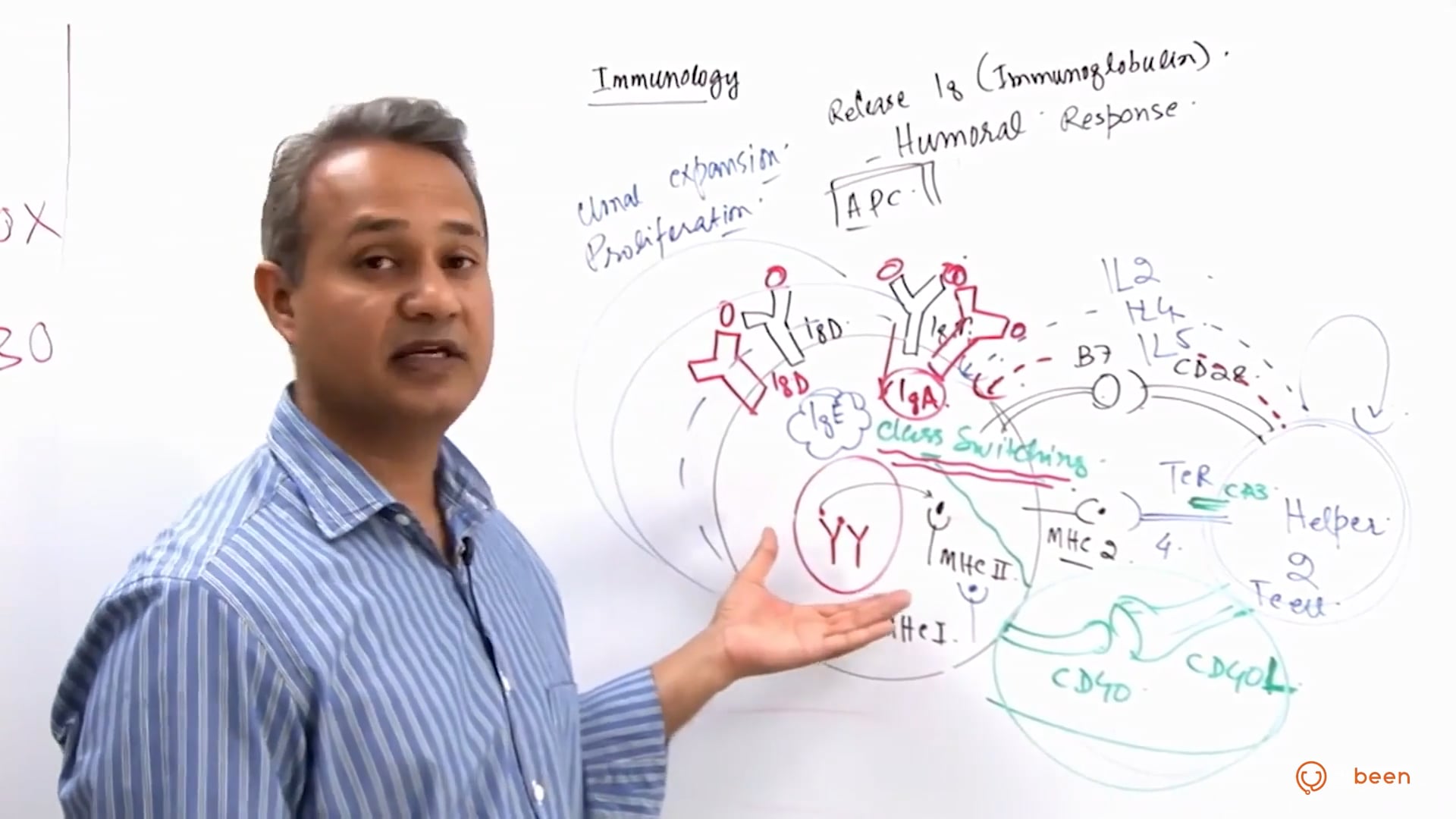
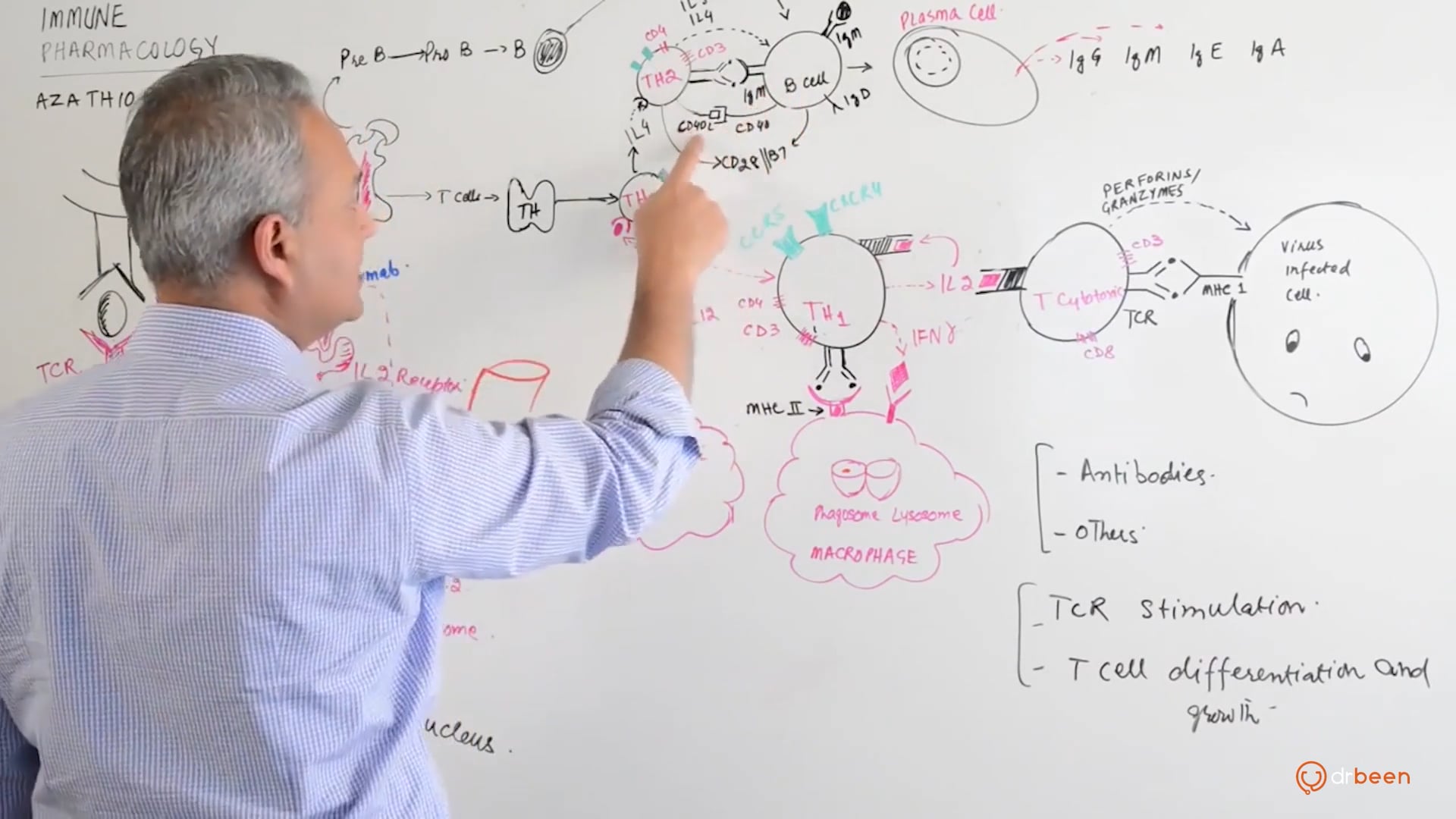
This course begins with an introduction to the cells involved in the innate immune system, such as neutrophils and macrophages, followed by an exploration of the major cells in the acquired immune system, including T and B cells. It also explains the role of endothelial cells in immunity, providing a foundational understanding of how the body’s vascular system contributes to immune responses.
A crucial part of this discussion is the immune system's ability to recognize and differentiate healthy cells from infected ones. The concept of lipid bilayer asymmetry and the role of flippant proteins in maintaining this balance are examined, explaining how disruptions in asymmetry signal immune responses to unhealthy cells.
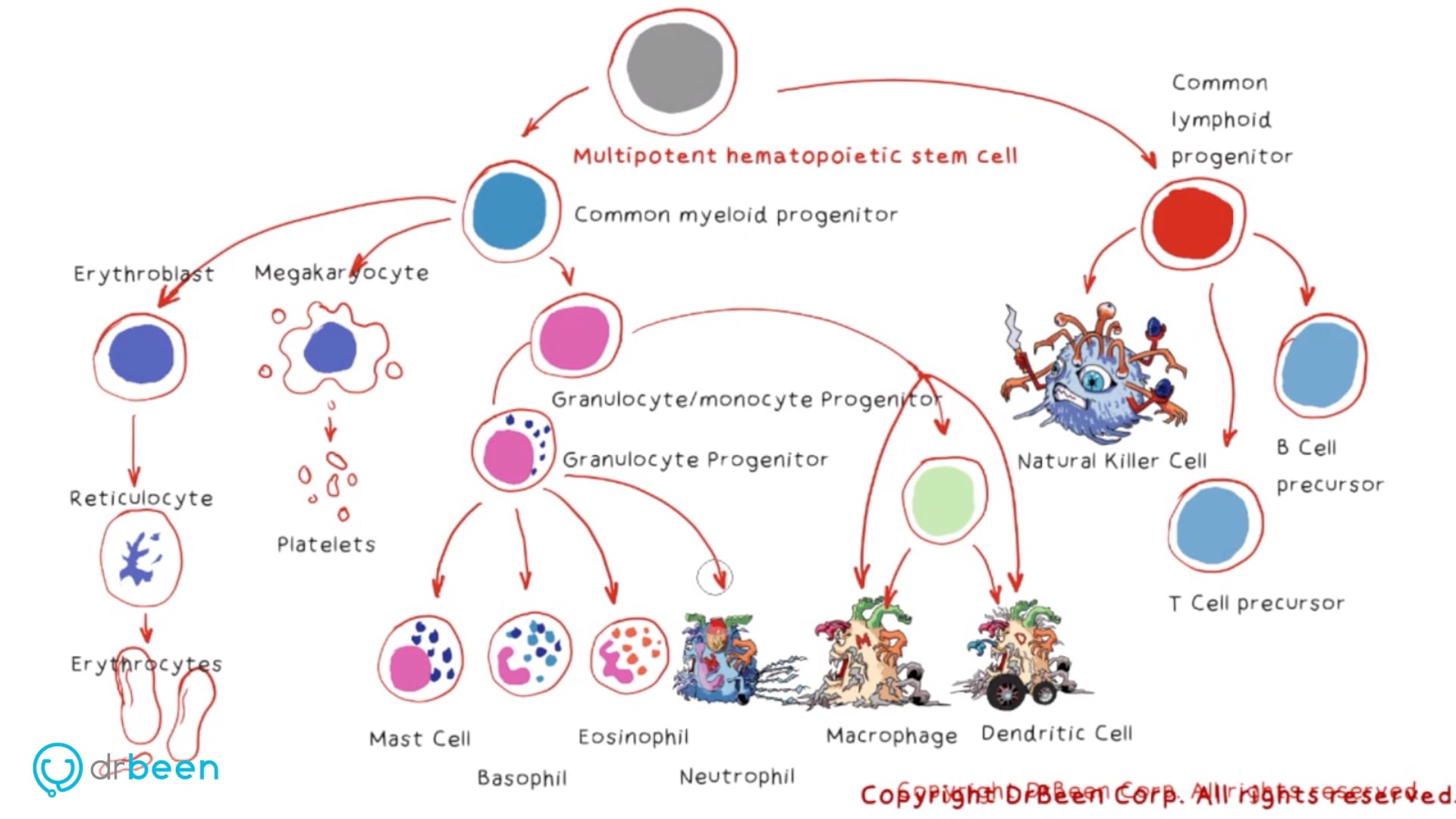
The course also introduces the different types of stem cells—totipotent, pluripotent, multipotent, oligopotent, and unipotent—focusing on their capacities and roles in cell differentiation. Specifically, the formation of neutrophils from hemocytoblasts is covered in detail, including the stages of development from the prometamyelocyte stage to mature neutrophils, along with the clinical implications of increased band cells in diagnosing infections.
Finally, the course looks at the interaction between neutrophils and macrophages, both when neutrophils are healthy and when they are dying. The functions of neutrophils are further explored, including their role in pus production, their short half-life, and their actions in the immune system’s response to infection.
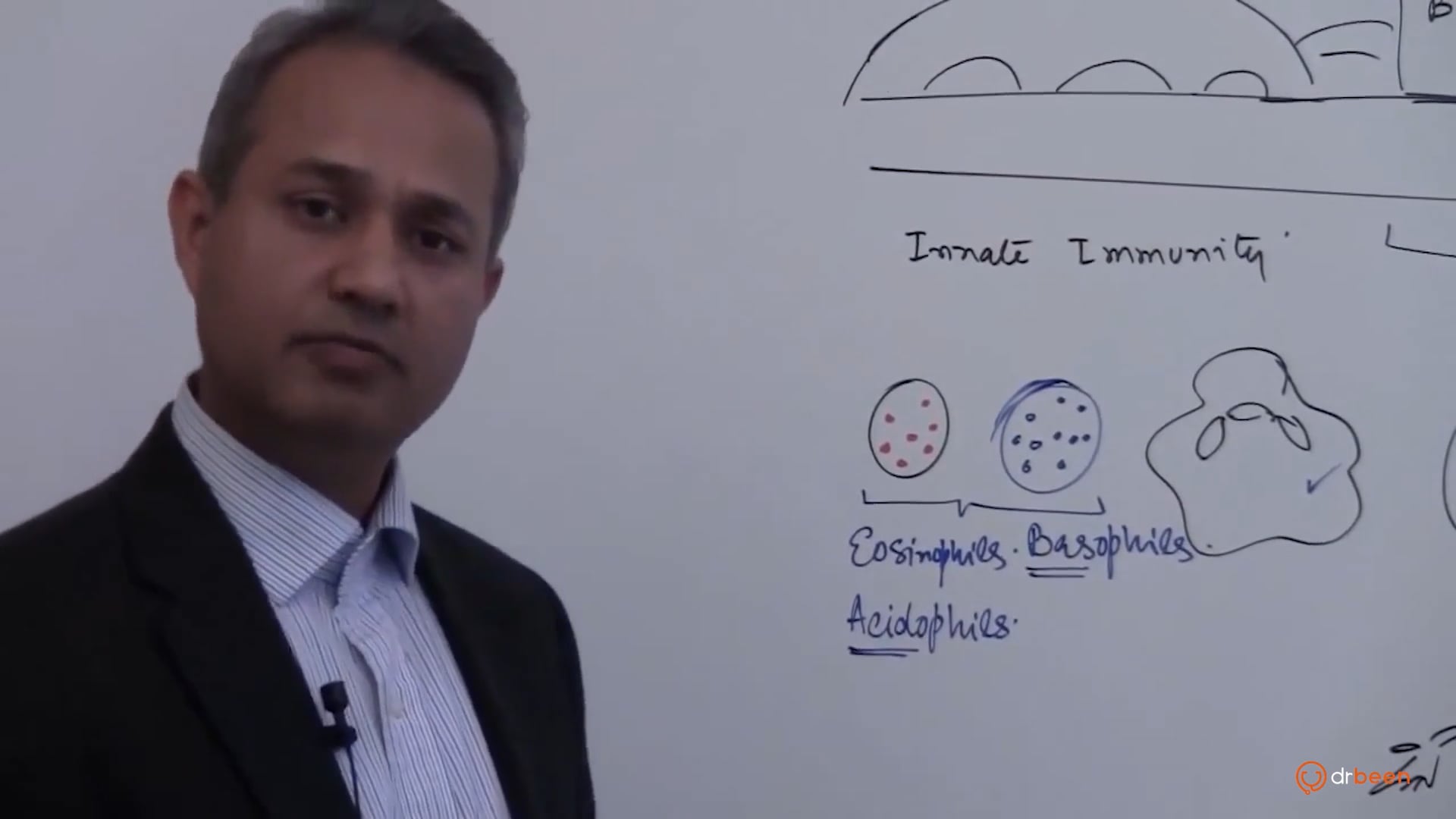
- Introduction to the Cells involved in innate arm of immune system.
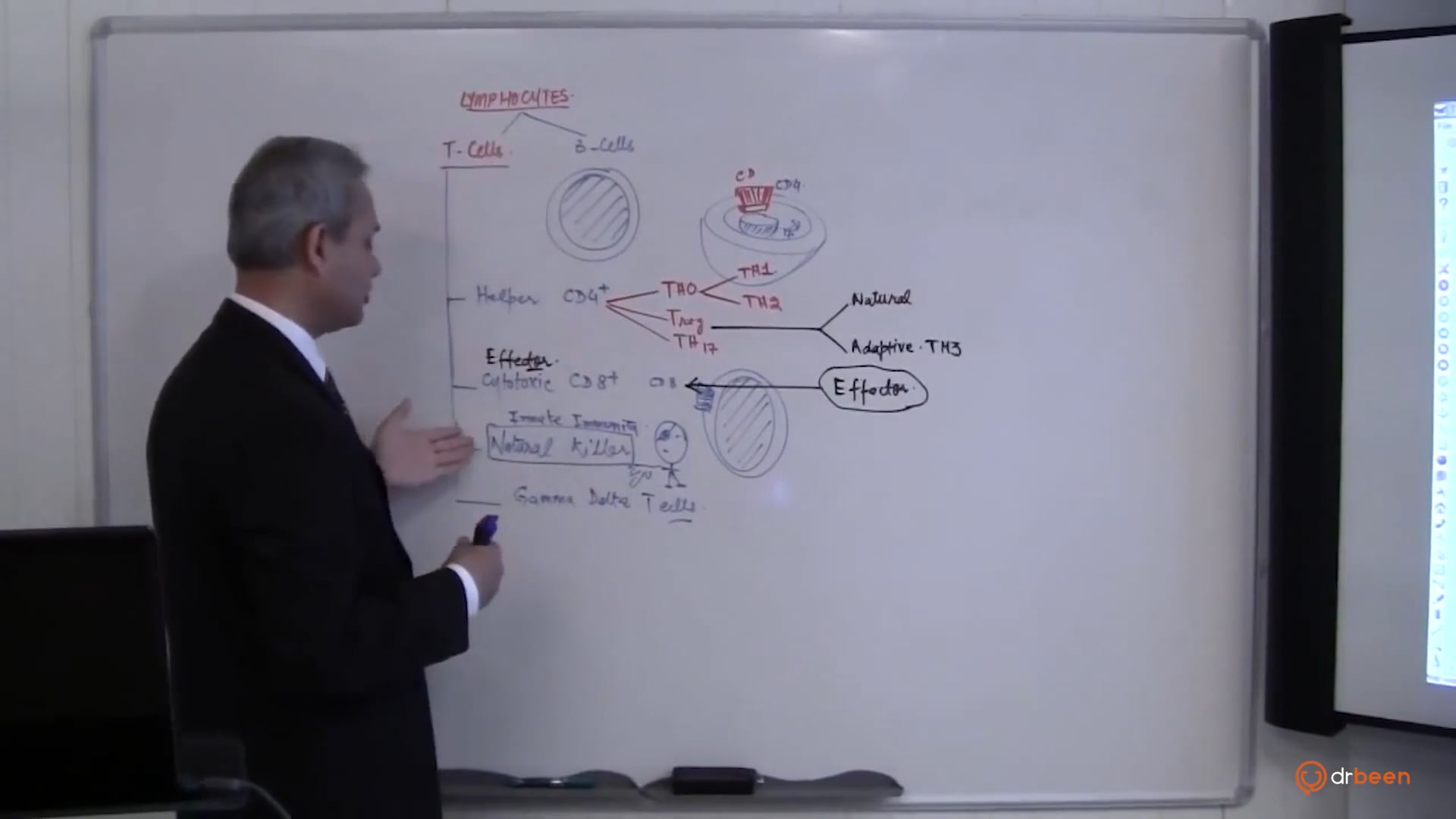
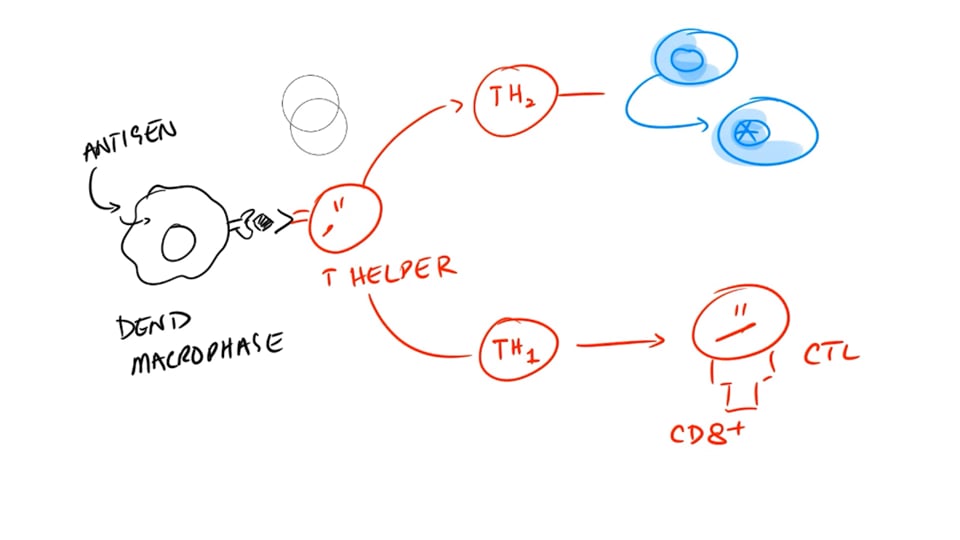
- Major cells involved in acquired arm of immune system.
- Overviewing role of endothelial cells in immune system.
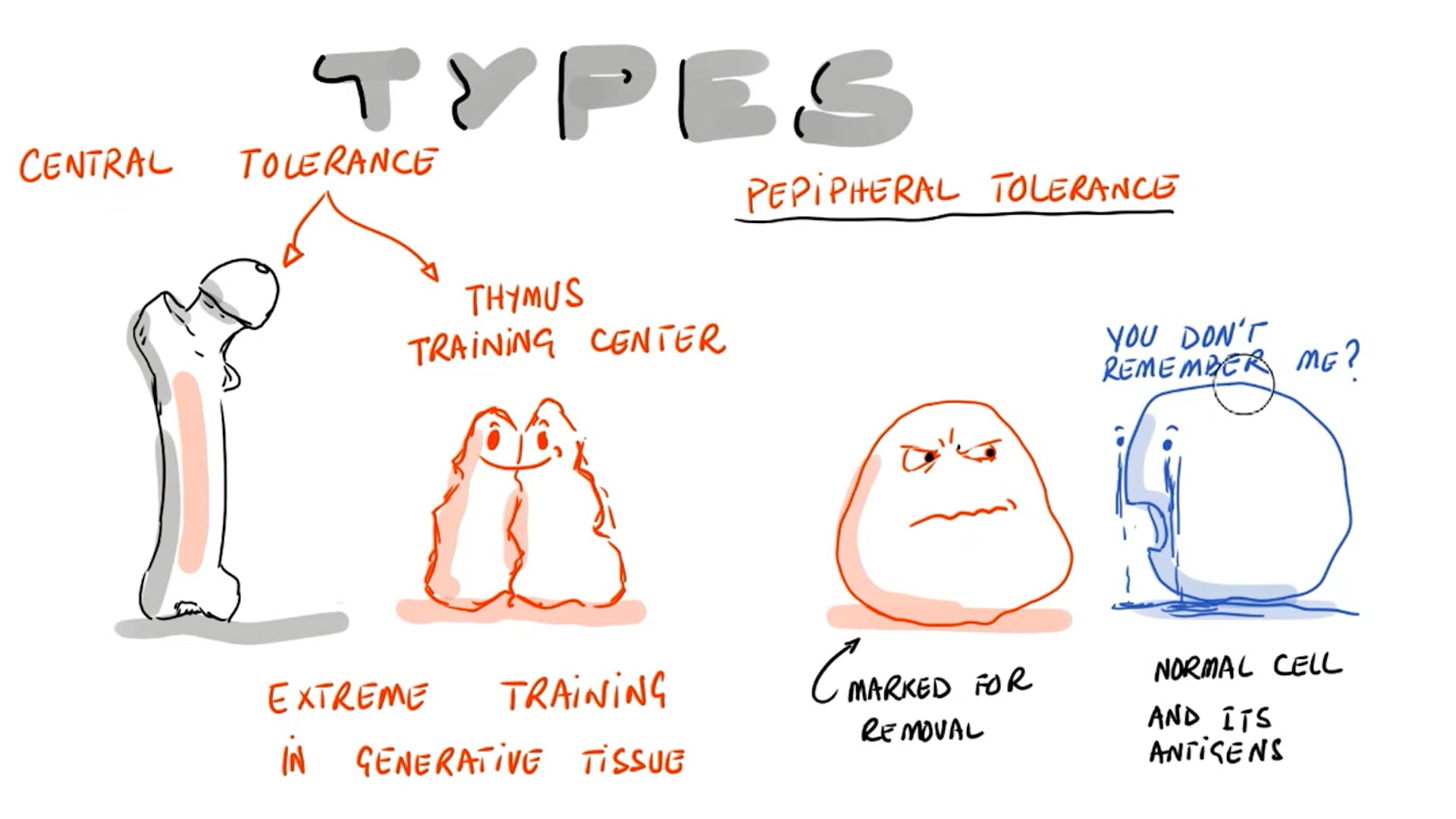
- How our immune system is able to recognise and differentiate a healthy cell from an infected cell?
- Role of flippant proteins.
- Concept of asymmetry across the lipid bilayer.
- Role of asymmetry in helping immune system to recognise unhealthy cell.
- Understanding stem cells as obligatory asynchronous replicators.
- Totiopotent cells.
- Concept of totiopotent, pluripotent, multipotent, oligopotent and unipotent stem cells.
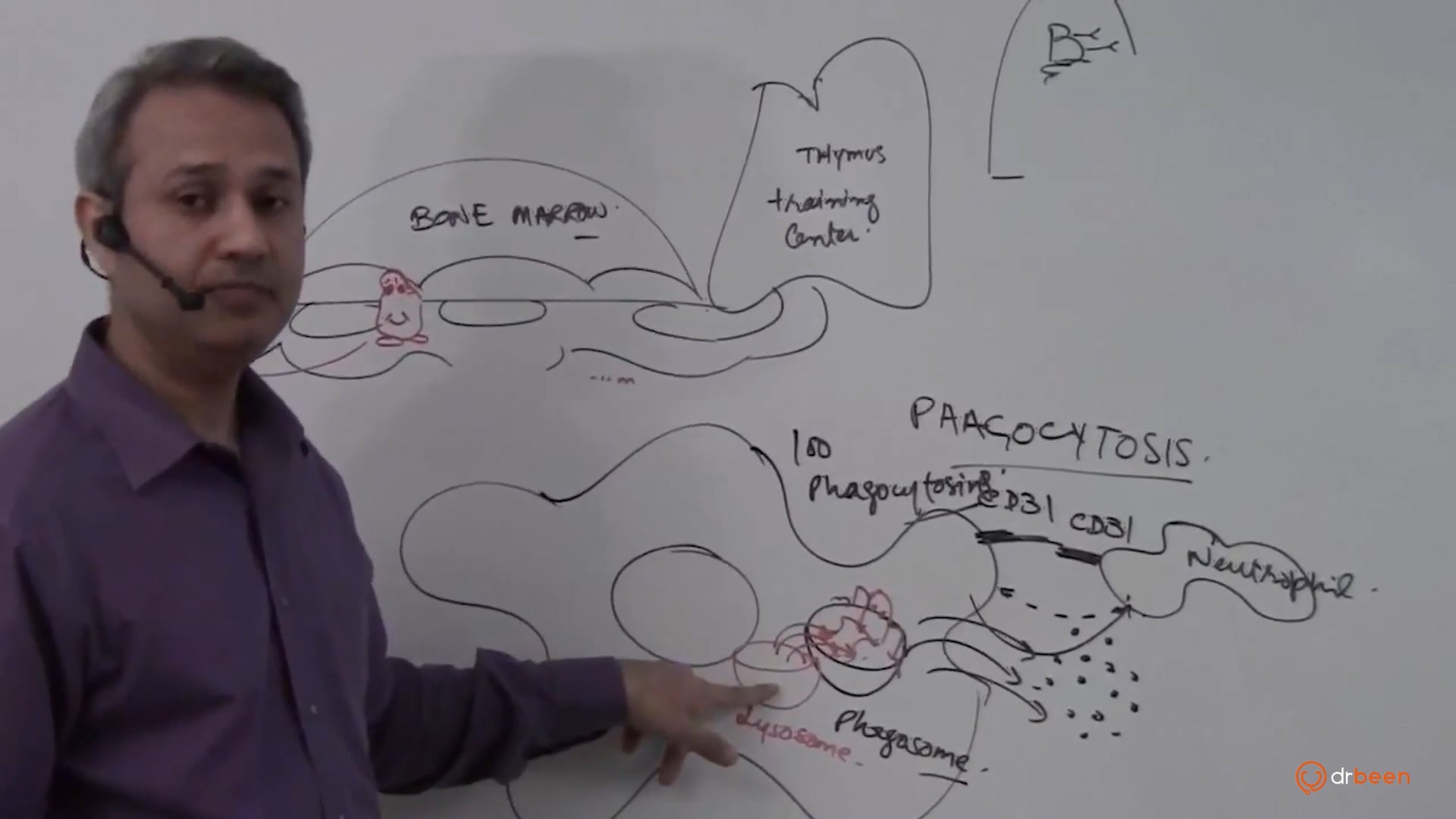
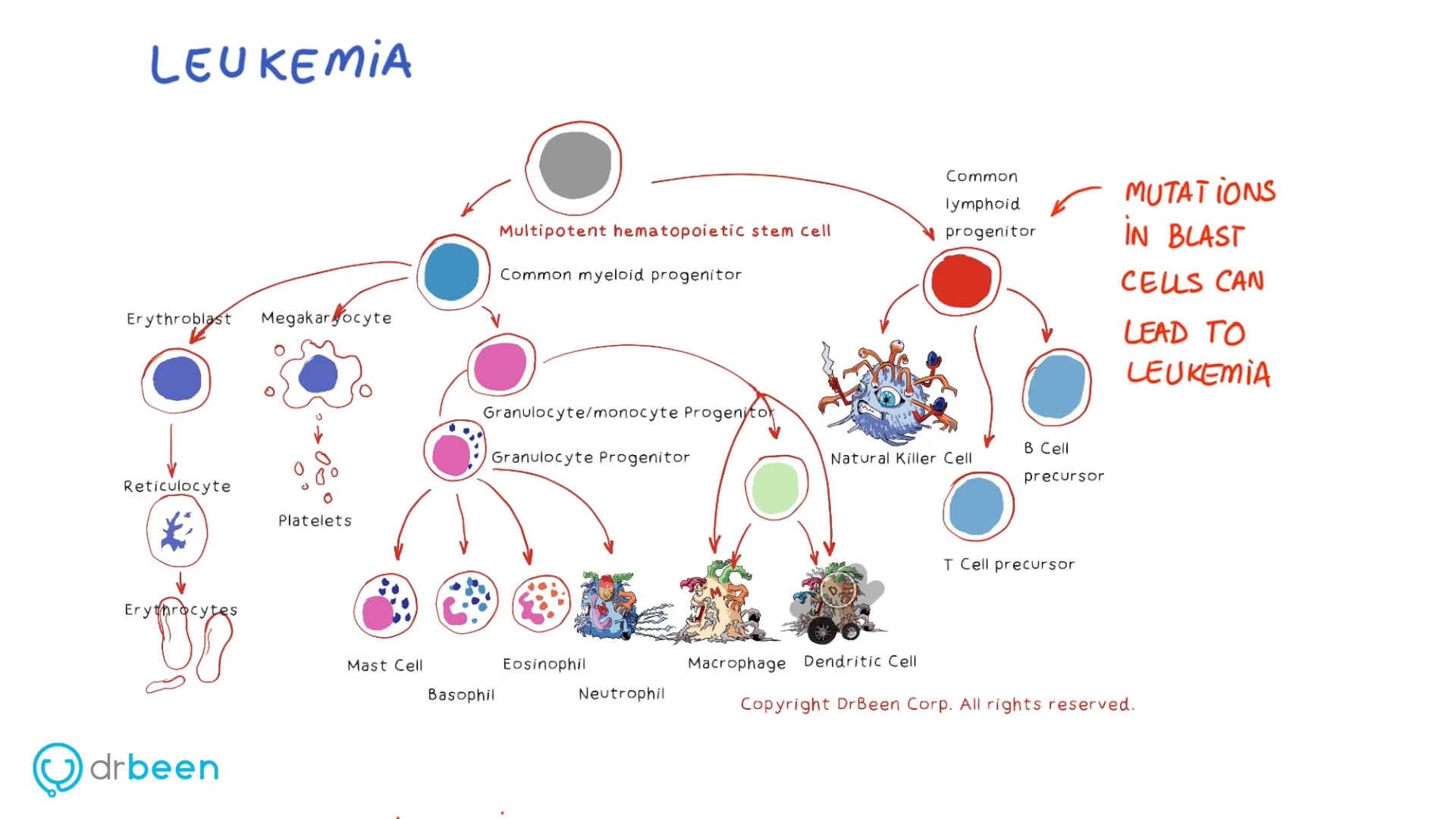
- Formation of neutrophils from hemocytoblast.
- Myeloid lineage.
- Stages from prometamyelocyte to neutrophils.
- Clinical significance of increased band cells.
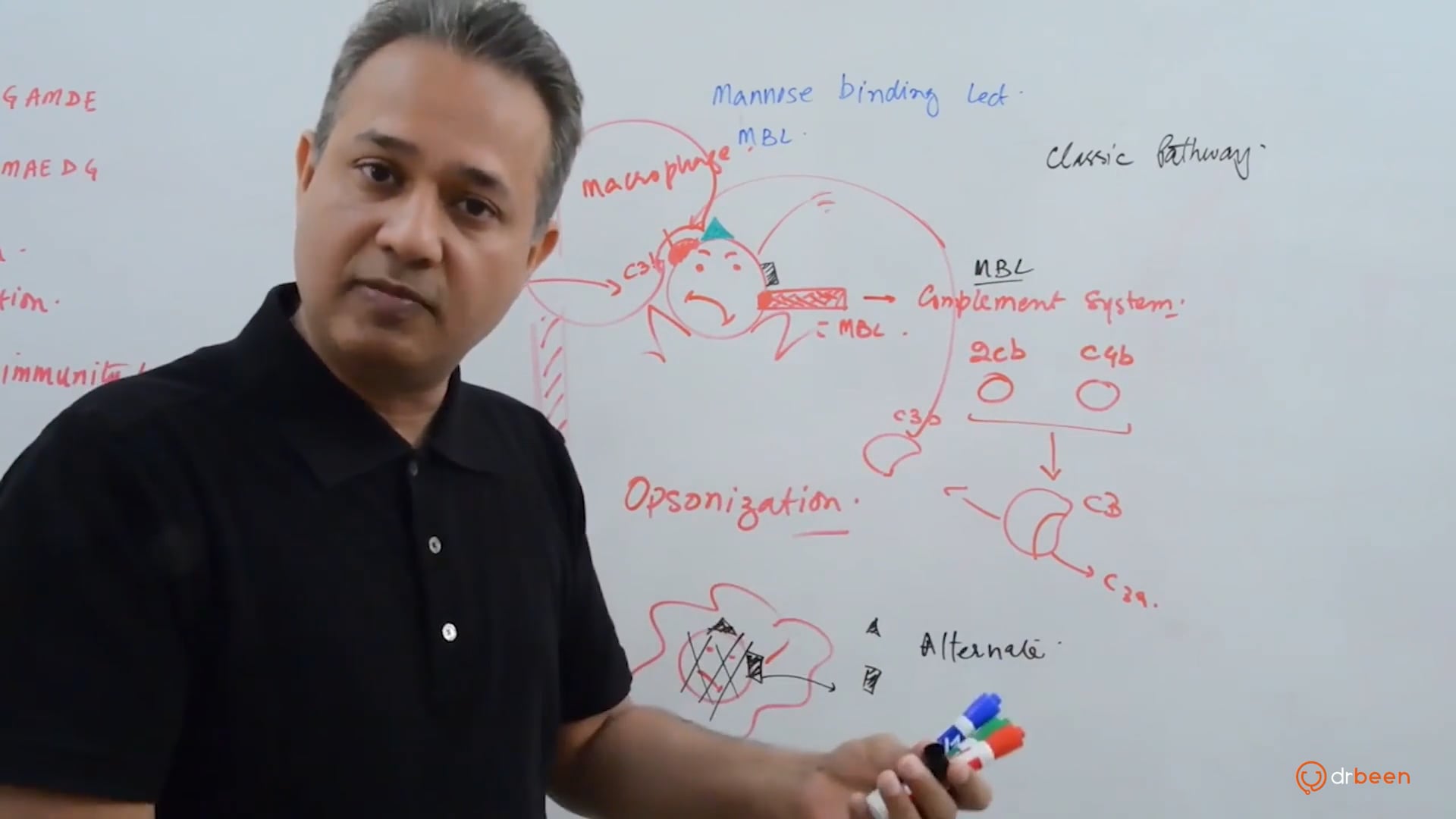
- Interaction of healthy neutrophil and macrophage.
- Interaction of dying neutrophil with macrophage.
- Half life of neutrophils.
- Pus production and contents.
- Action and functions of neutrophils.





Write A New Comment
0 Comments