This video is not approved for CME yet. Please check in a few days for the approval result. Thank you for your patience.
Our immune system is a major organ system in our body that helps defend against the microorganisms trying to invade us. A majority of the patients presenting to a hospital with a complaint of fever have an underlying infection. This infection may have been caused by bacteria, viruses, fungi or parasites.
Some patients suffer from decreased immunity (e.g. HIV/AIDS), therefore they are susceptible to infections. Others may have over-activation or mistargeting of their immune system which results in their immune system attacking their own tissues causing damage to their bodies. In yet other cases, the immune system may misidentify a non-harmful substance as being harmful and start an allergic response against it.
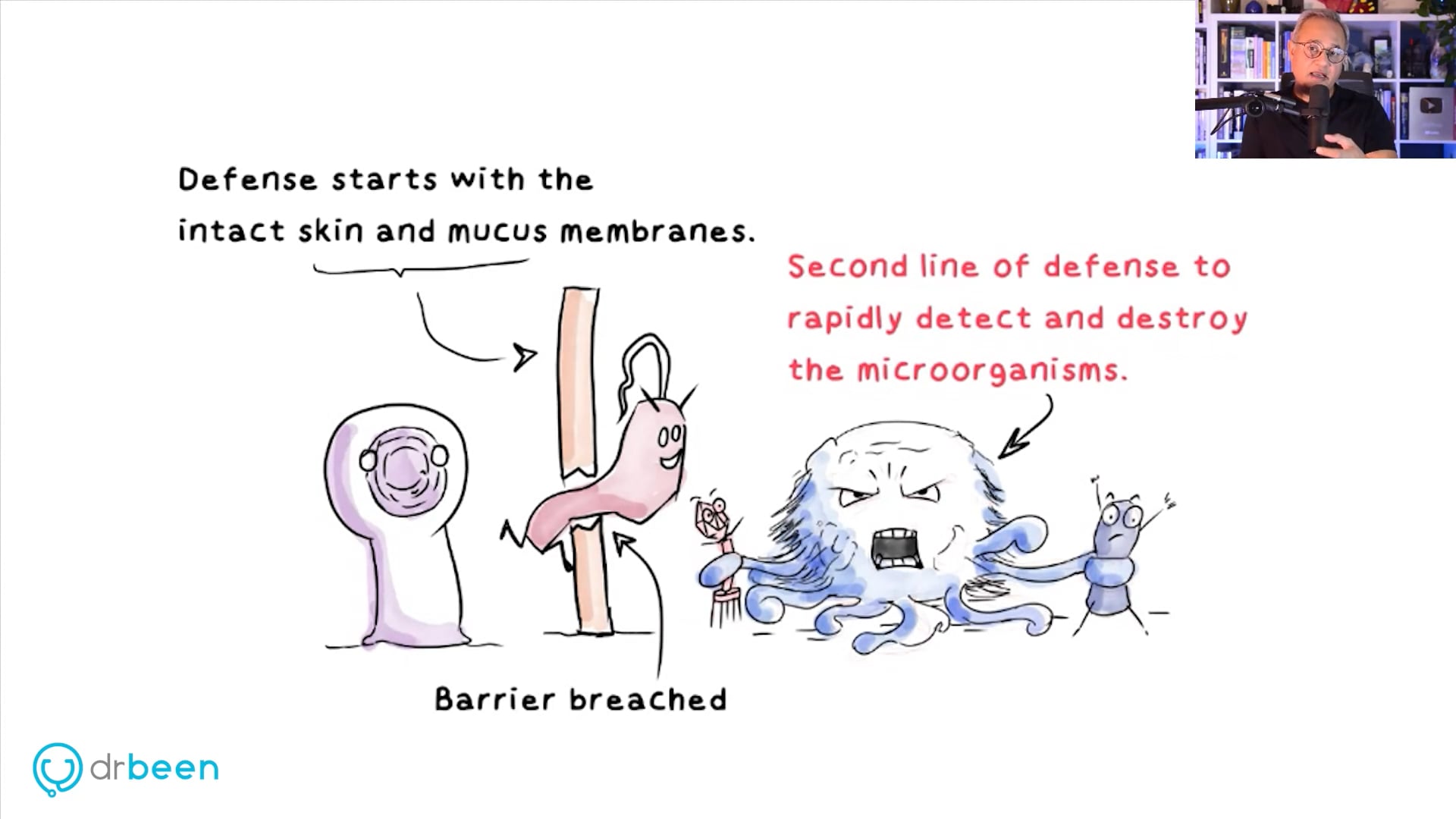
Functions of the immune system start at the surfaces of the body where mechanical barriers act as the first line of defense. Our skin is multilayered and keratinized. This structure prevents the entry of bacteria, fungi, and viruses from entering deeper tissues. The superficial layers of keratinization and dead cells are protective as well. Pathogens get stuck in these layers and are removed when these layers are shed. Mucous membranes of the conjunctiva, gastrointestinal tract, respiratory system, urogenital and reproductive system have surfaces with secretions covering the epithelium. The moist surfaces have chemical substances and enzymes that can attach with pathogens and prevent these pathogens from entering the deeper tissues. Cilia are also present on some of the surfaces, pathogens can become stuck on these ciliary surfaces. In these situations, pathogens are removed as the cilia propel and move the pathogens to the exit. Also of interest is that on these mucosal surfaces, there are proteins called defensins that can identify a foreign pathogen and create holes in the membrane of the pathogen to destroy it before it enters our body and harms us.
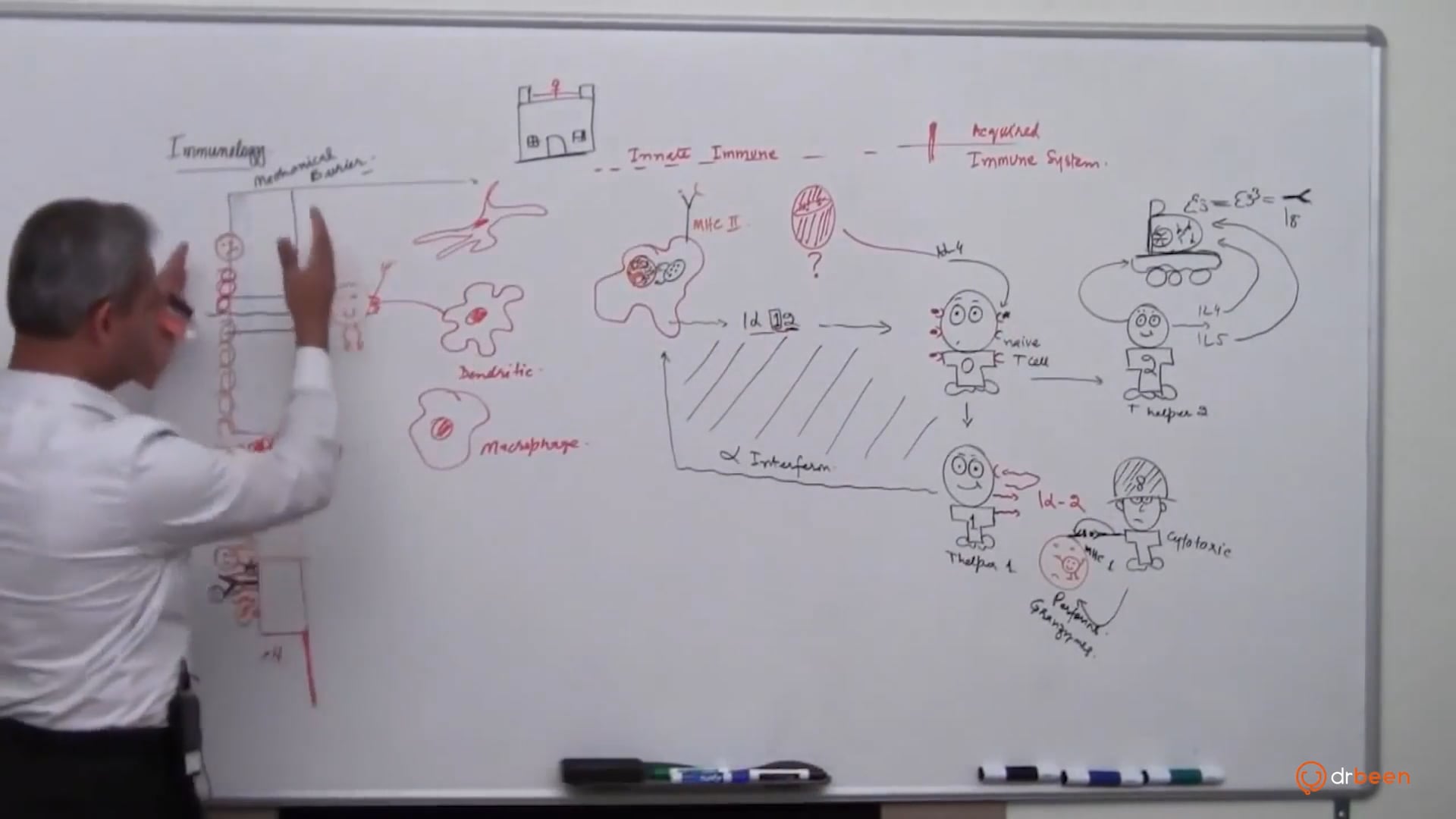
1. Basic concept of immunology.
2. How our immune system works?
3. Mechanical barriers offered by our immune system (first line of defence).
4. Various mechanical barriers provided by our body as first line of defence against pathogens.
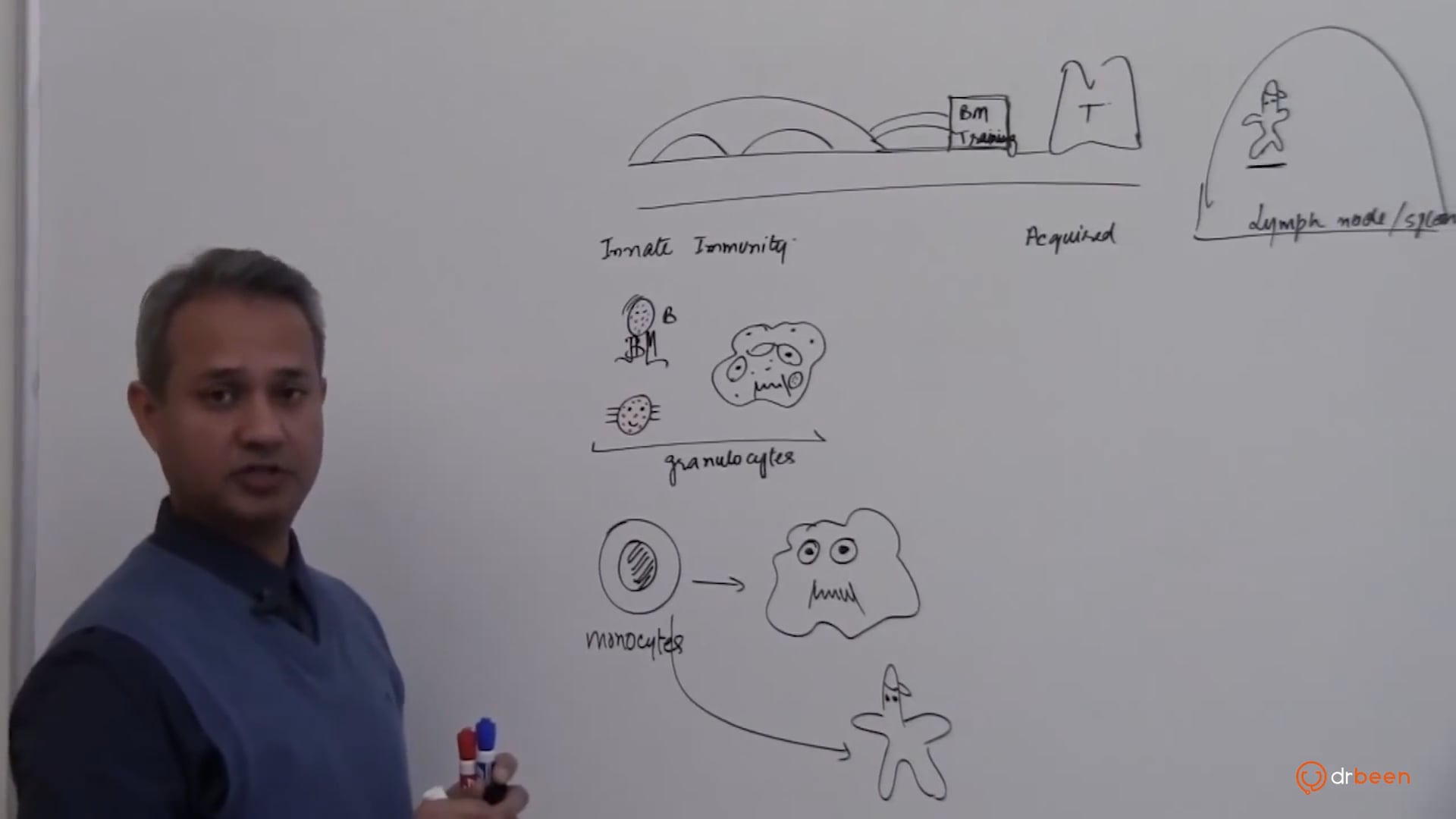
5. Understanding the types of immune defenses.
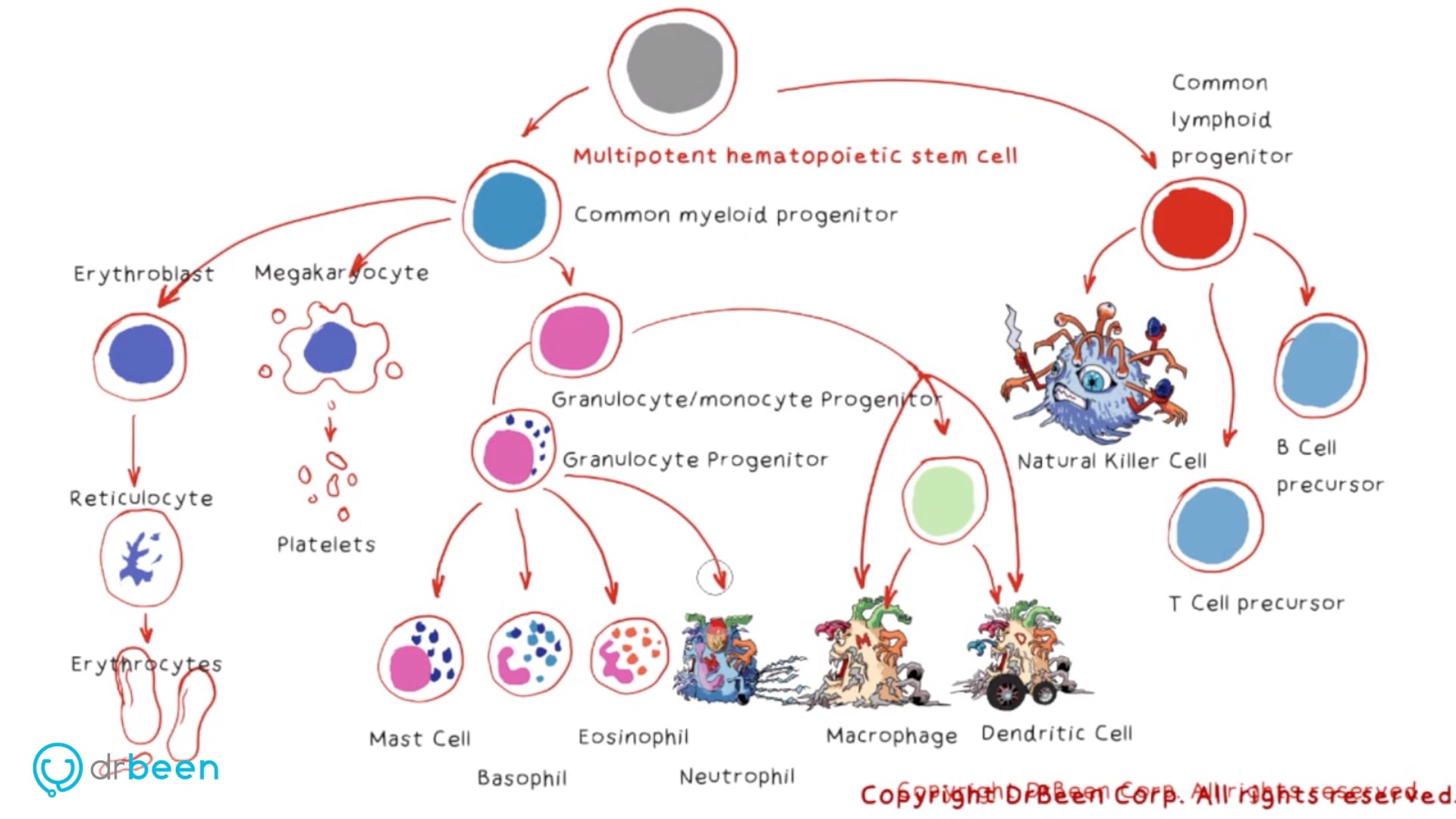
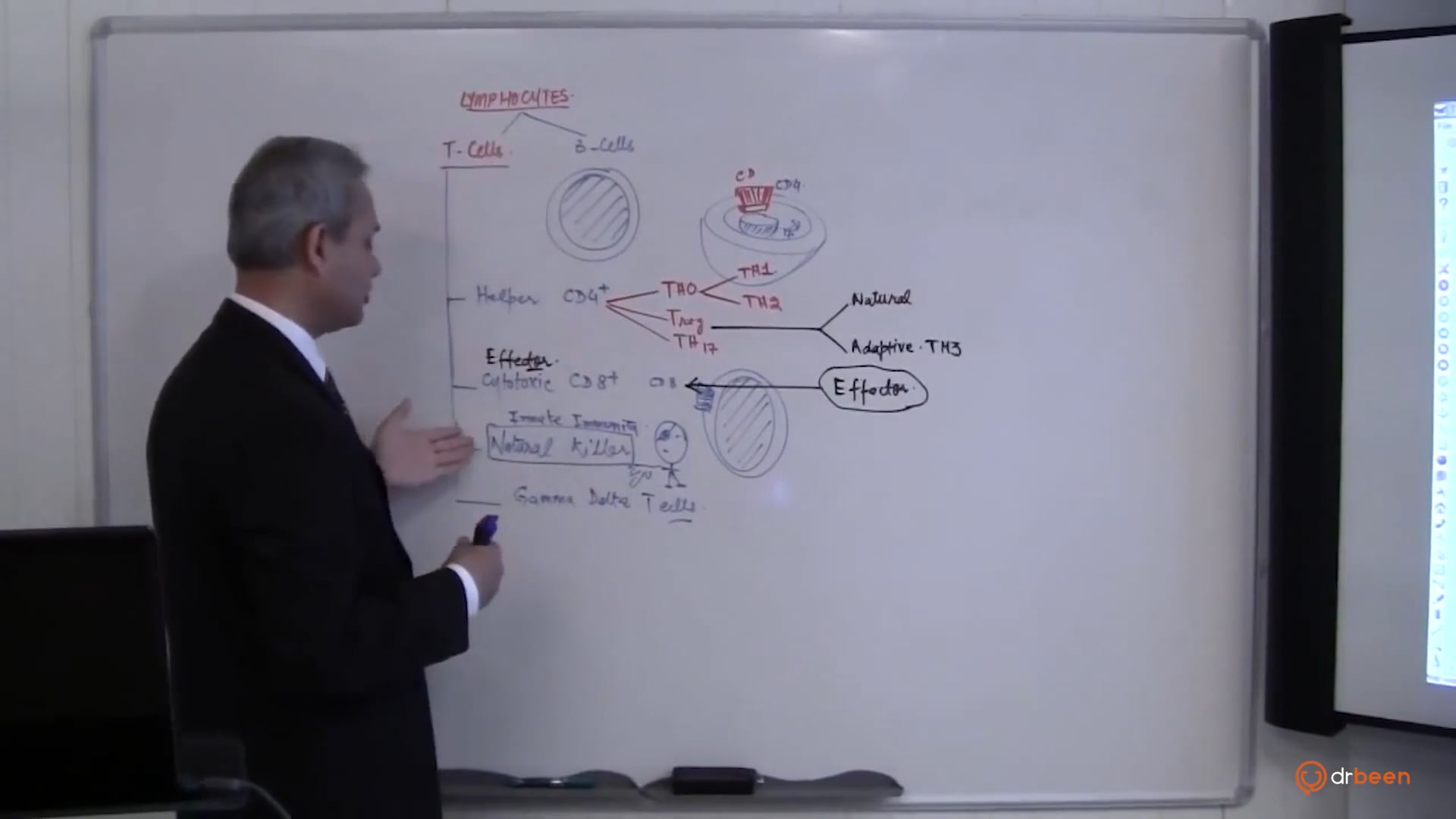
6. Understanding the role of each arm of the immune system.
7. Understanding the differences of each arm of the immune system.
8.What happens if the pathogen is able to breach through the mechanical barrier (first line of defence) ?
9. Role of dendretic cells and macrophages.
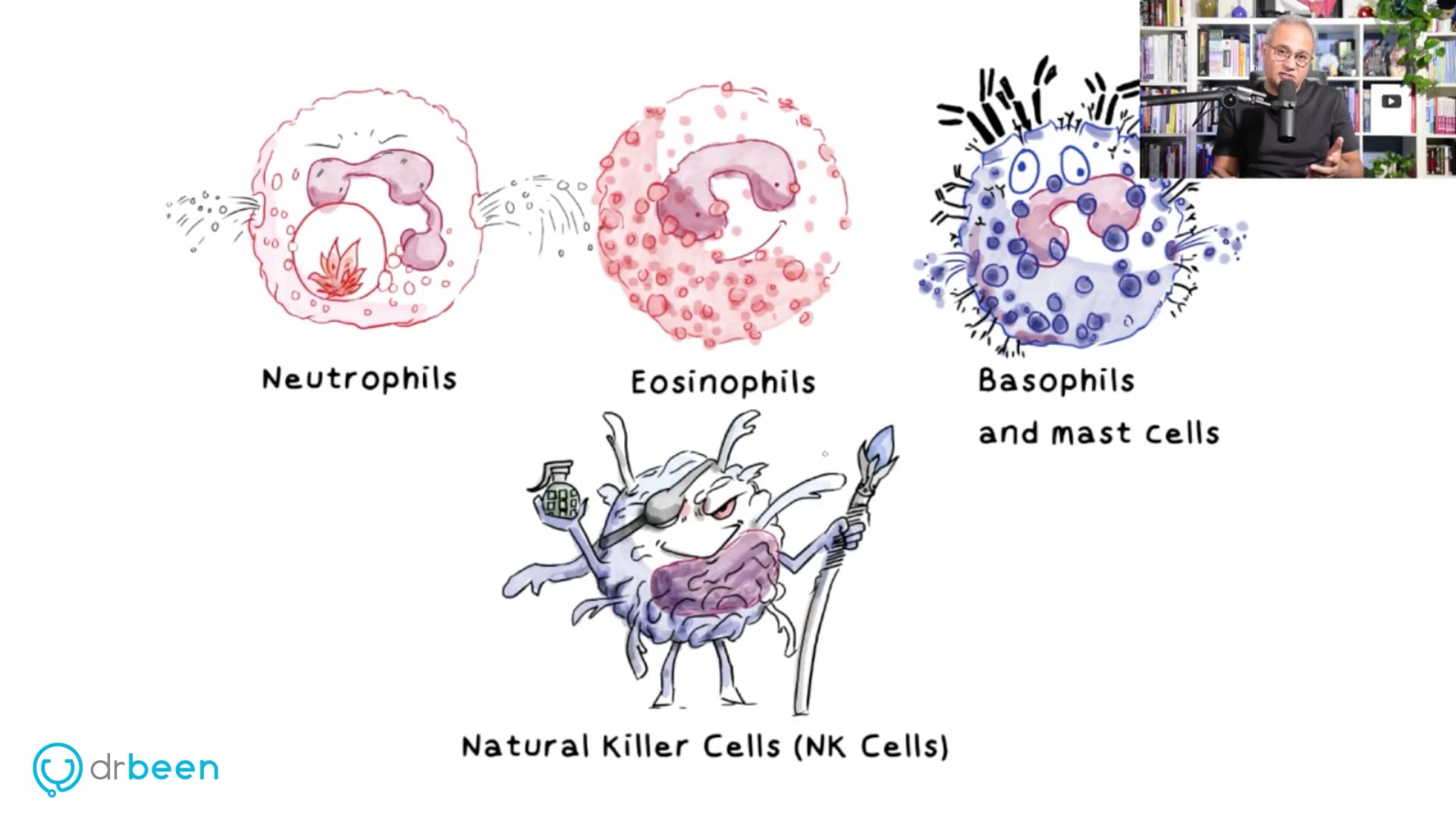
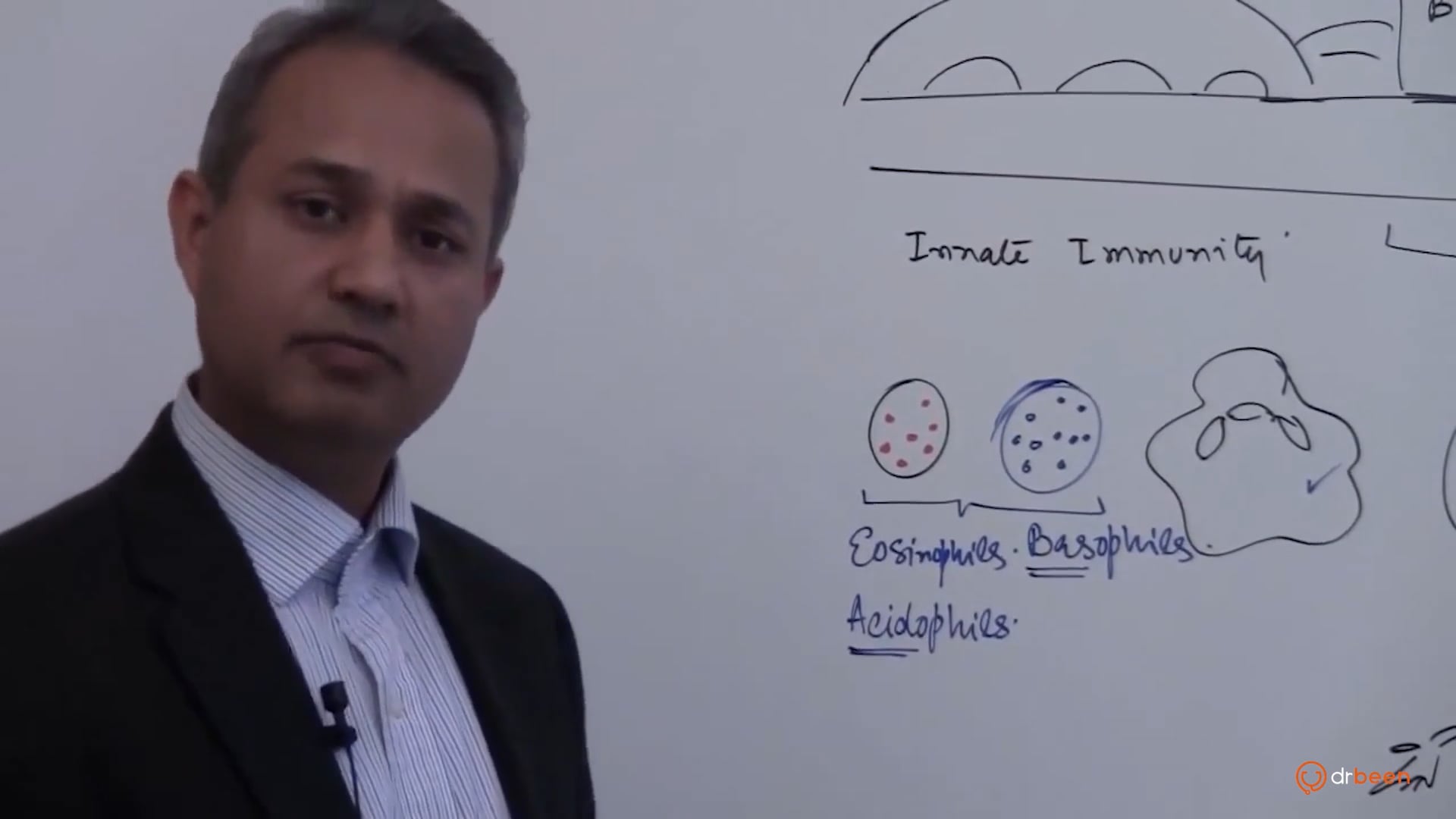
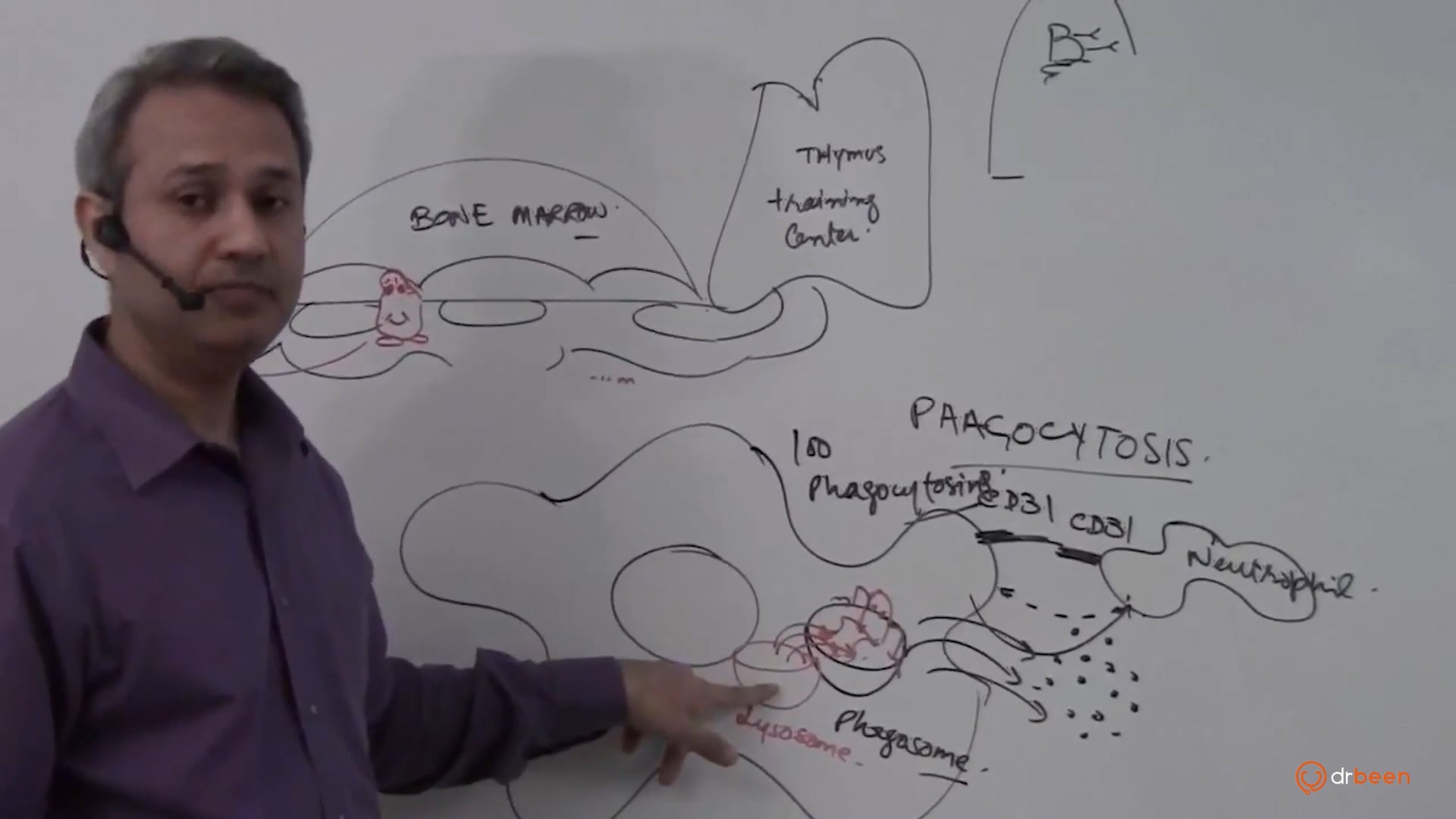
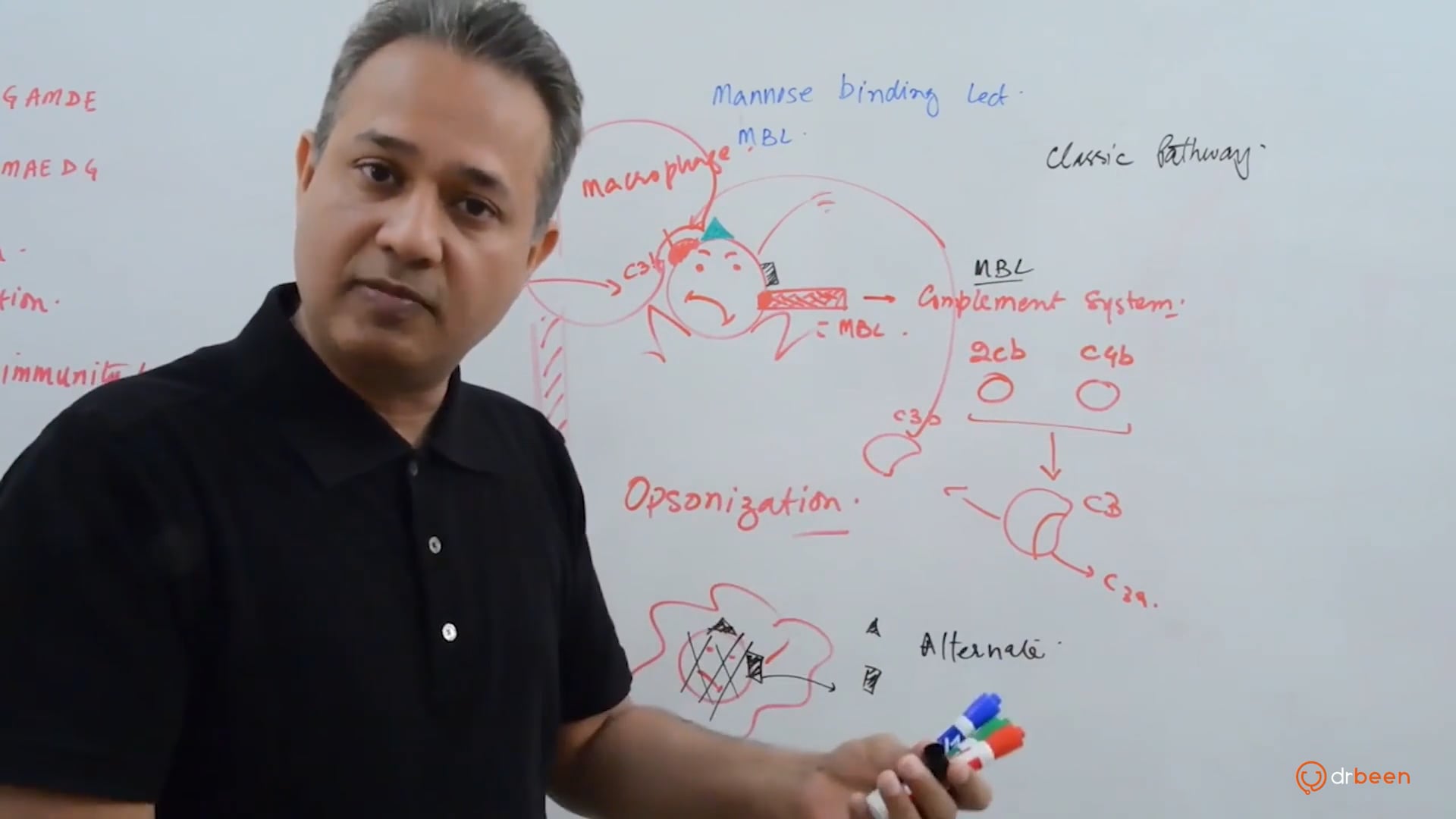
10. Overview of nonspecific innate response (second line of defence).
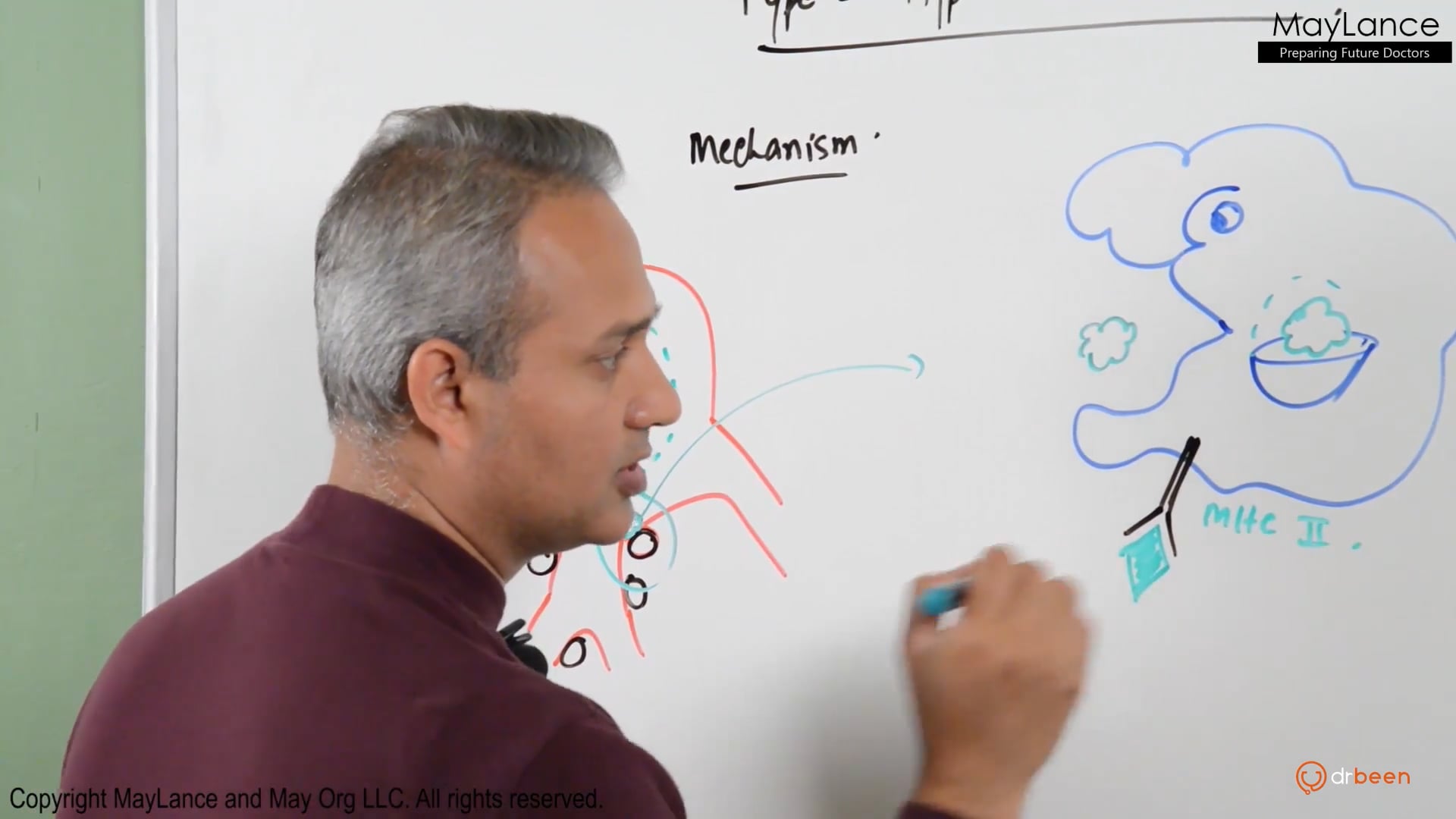
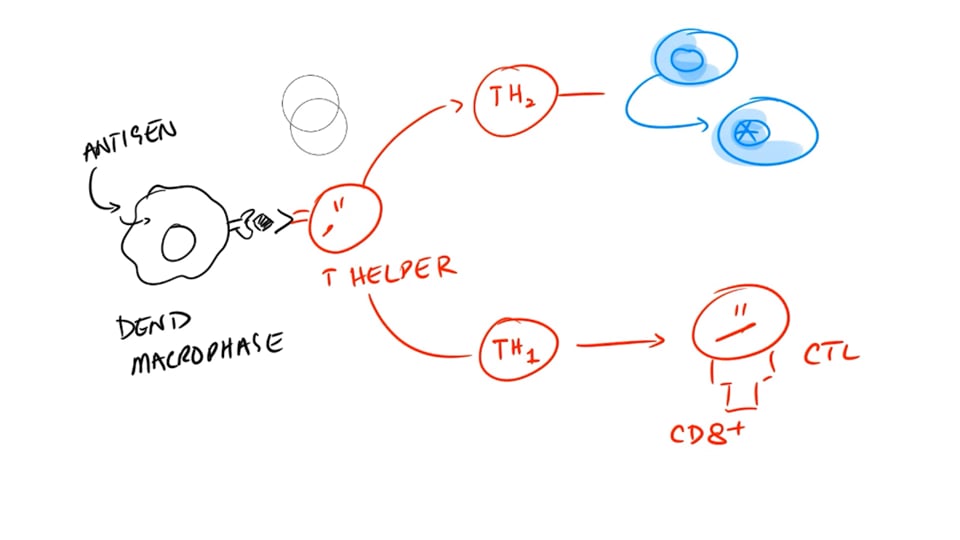
11. Role of Antigen Presenting Cells (APC).
12. Relating the innate arm of immune system to the acquired arm.
13. Role of antigen presenting cells (innate arm of immunity).
14. Activation and working of acquired arm.
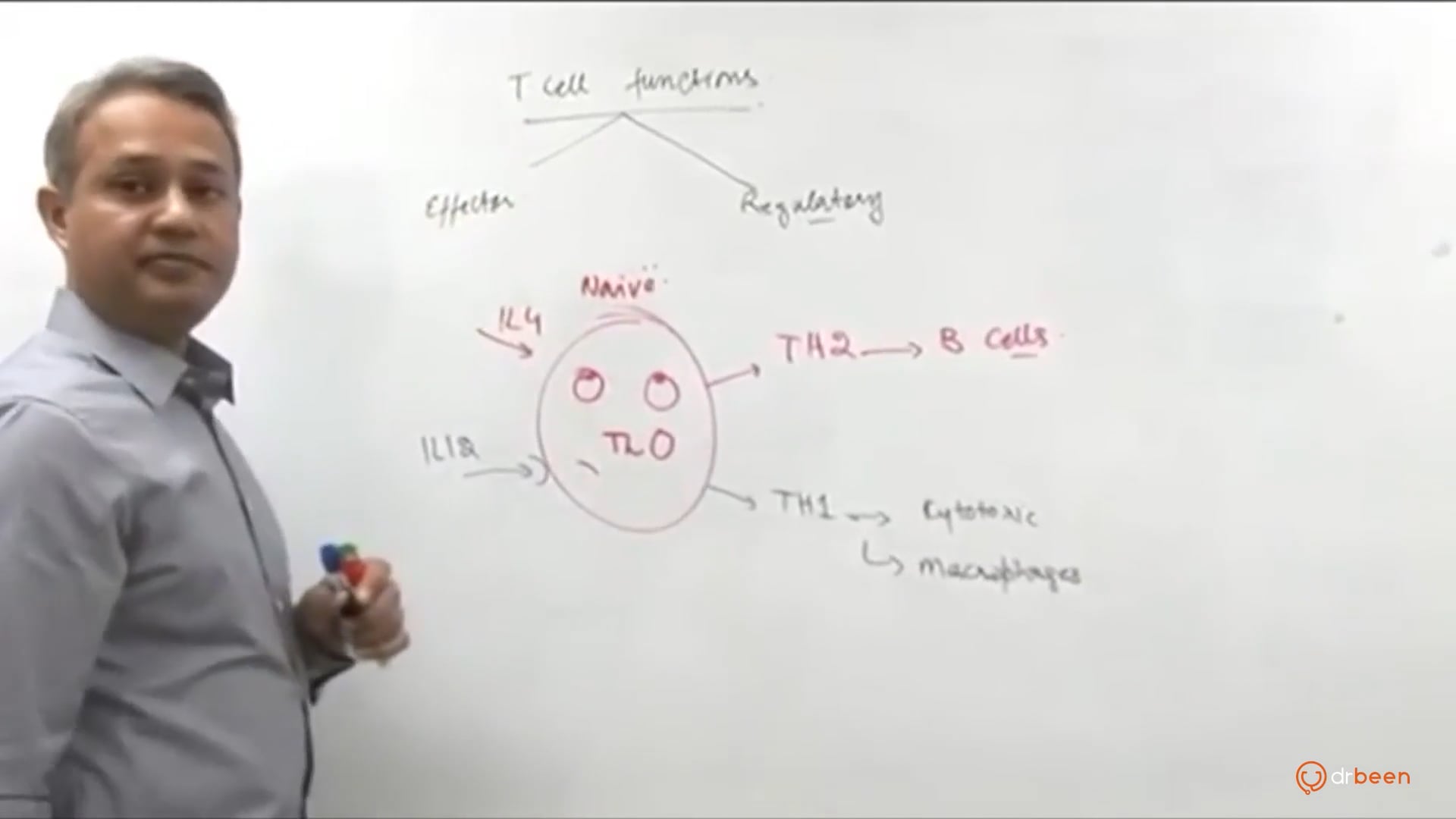
15.Role of T-helper cells and cytotoxic-T cells.
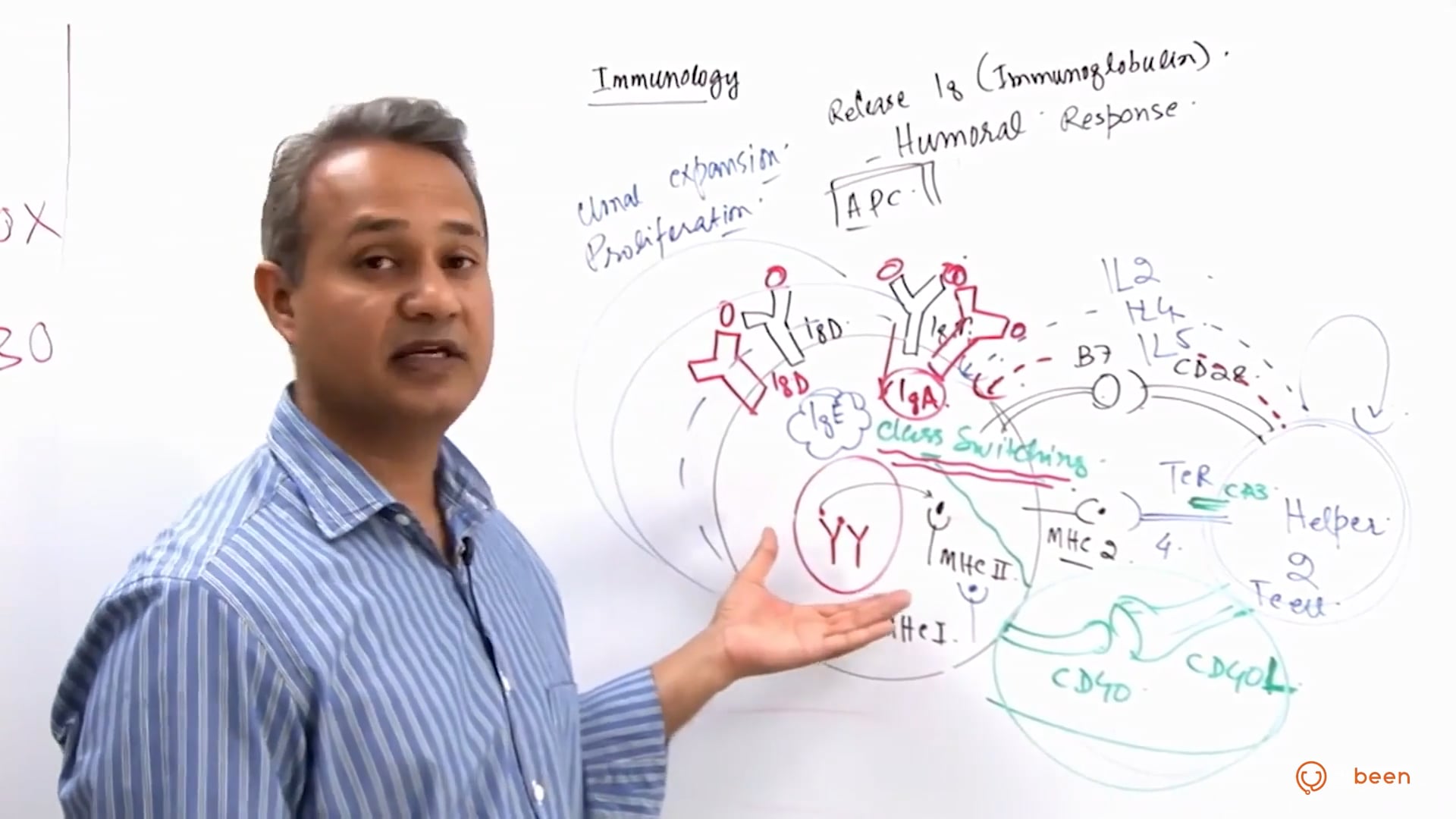
16. Activation and working of B-cells (plasma cells).
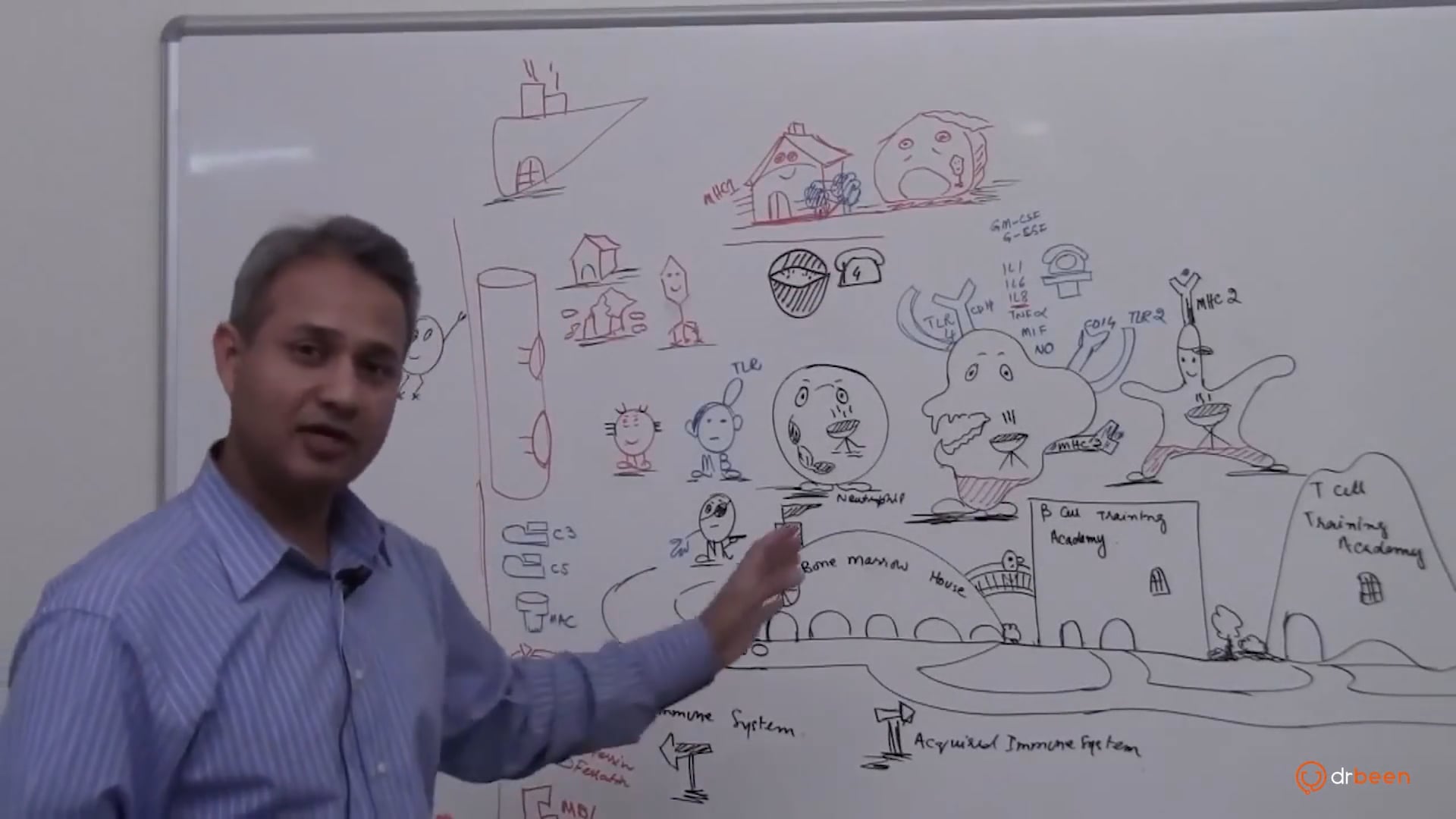
17. Review of how innate and acquired arm of immunity works?


Write A New Comment
0 Comments