This video is not approved for CME yet. Please check in a few days for the approval result. Thank you for your patience.
This course offers a detailed exploration of immunoglobulins and T cell receptors, focusing on their structure, function, and roles in immune response. Students will learn about the various parts of immunoglobulins, their specific functions, and the mechanism of antigen binding to the Fab region. The significance of monoclonal antibodies in clinical settings will also be highlighted.
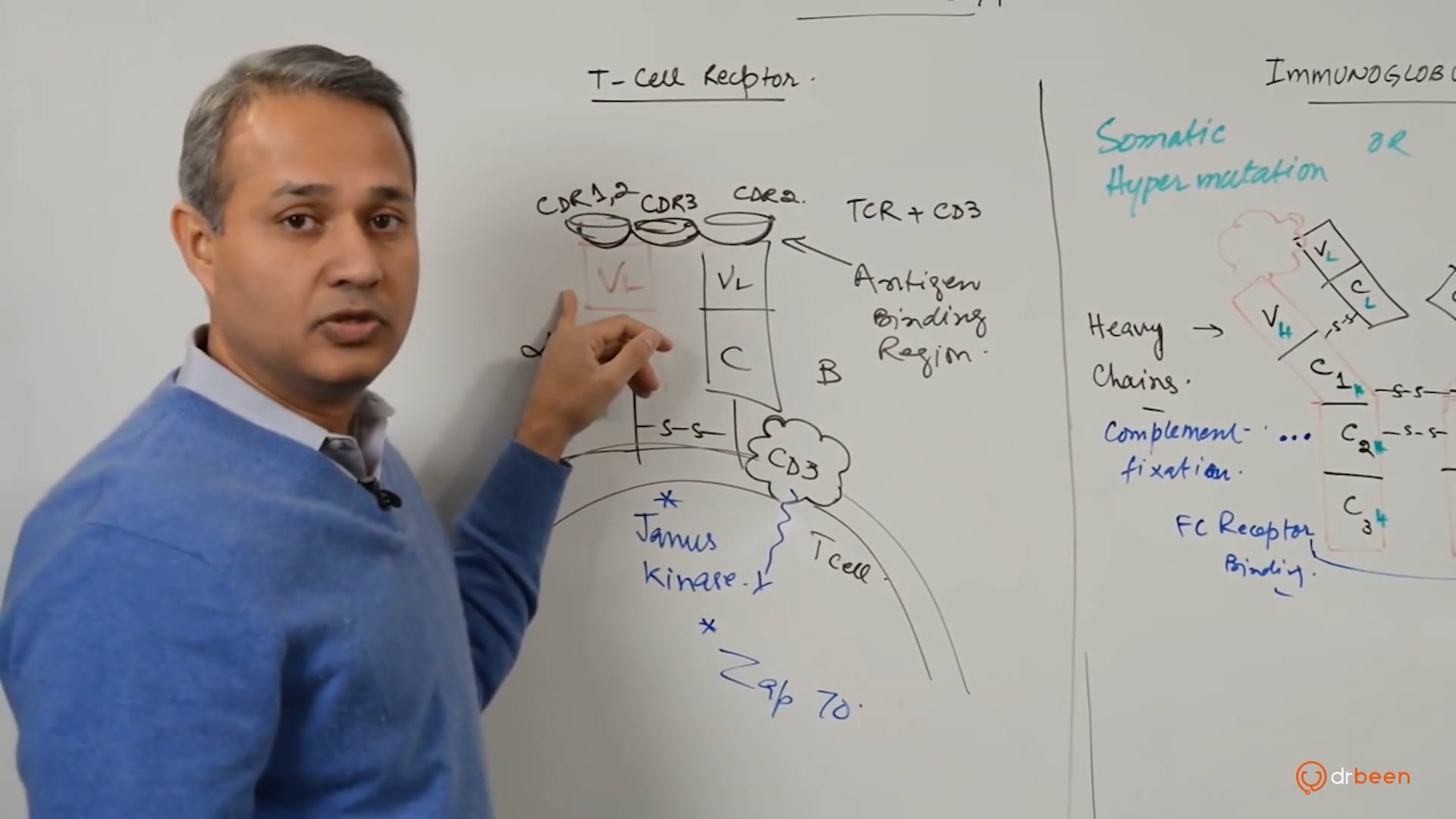
The course delves into the formation and structure of T cell receptors, with a focus on the role of CD3 in their function. It will cover the process of somatic hypermutation or affinity maturation in immunoglobulins, allowing for a deeper understanding of how immune responses are fine-tuned. The similarities and differences between the structure of immunoglobulins and T cell receptors will also be compared.
Additionally, the course covers the genetic processes involved in receptor formation, including DNA recombinations for immunoglobulin light and heavy chains and the genetic combinations required for T cell receptors. The generation of the recombinase enzyme, which plays a key role in recombination of genetic material, will be discussed in detail, along with the chromosomal genes involved in these processes.
Finally, the course addresses genetic defects related to severe combined immunodeficiency (SCID), highlighting the role of faulty DNA recombination in this condition. By the end, students will have a comprehensive understanding of how immunoglobulins and T cell receptors are formed and function, as well as the genetic mechanisms that underlie immune system deficiencies.
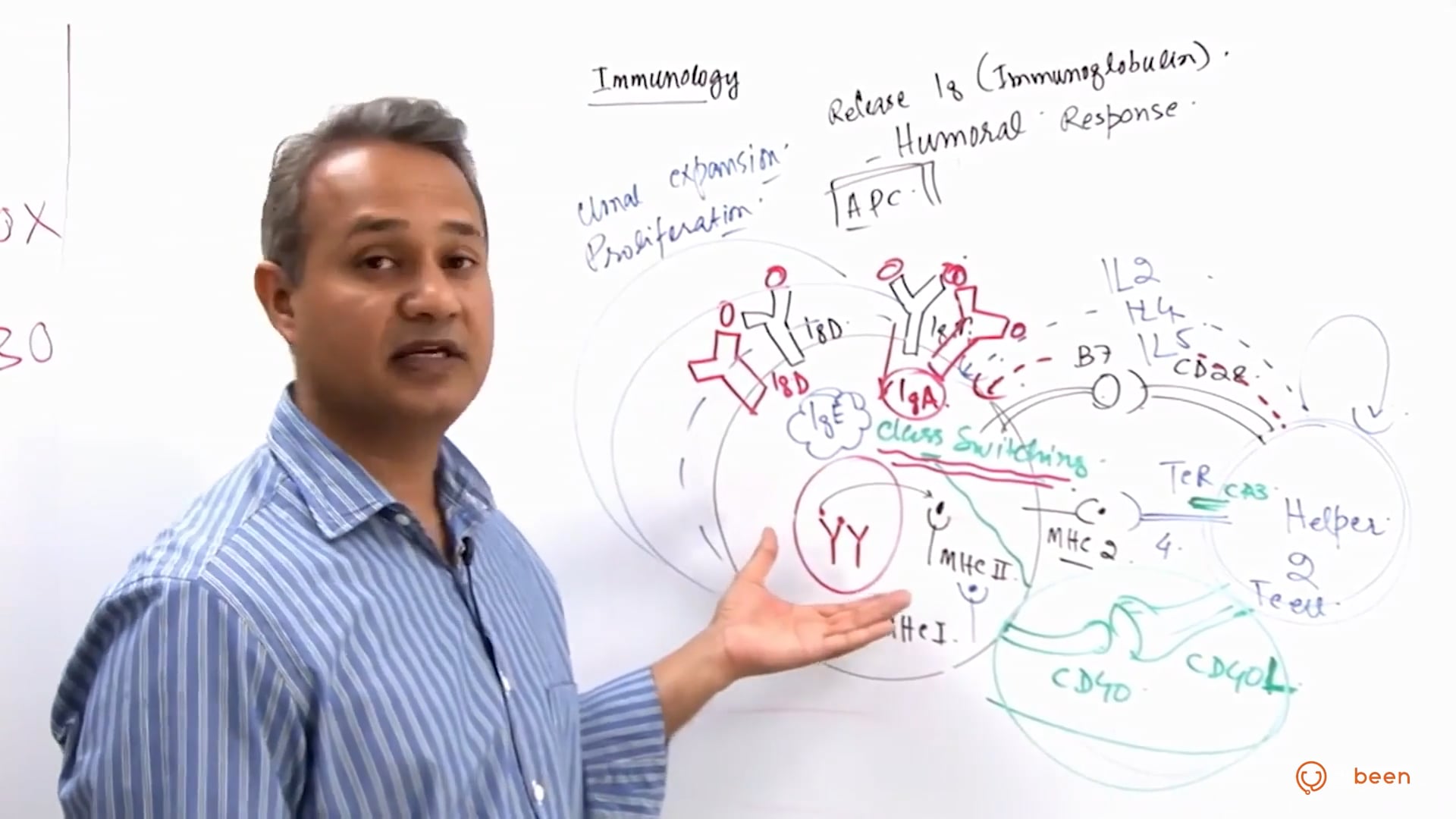
- The structure of immunoglobulins.
- The functions of the different parts of immunoglobulins.
- The mechanism of an antigen binding to Fab.
- What monoclonal antibodies are and their significance.
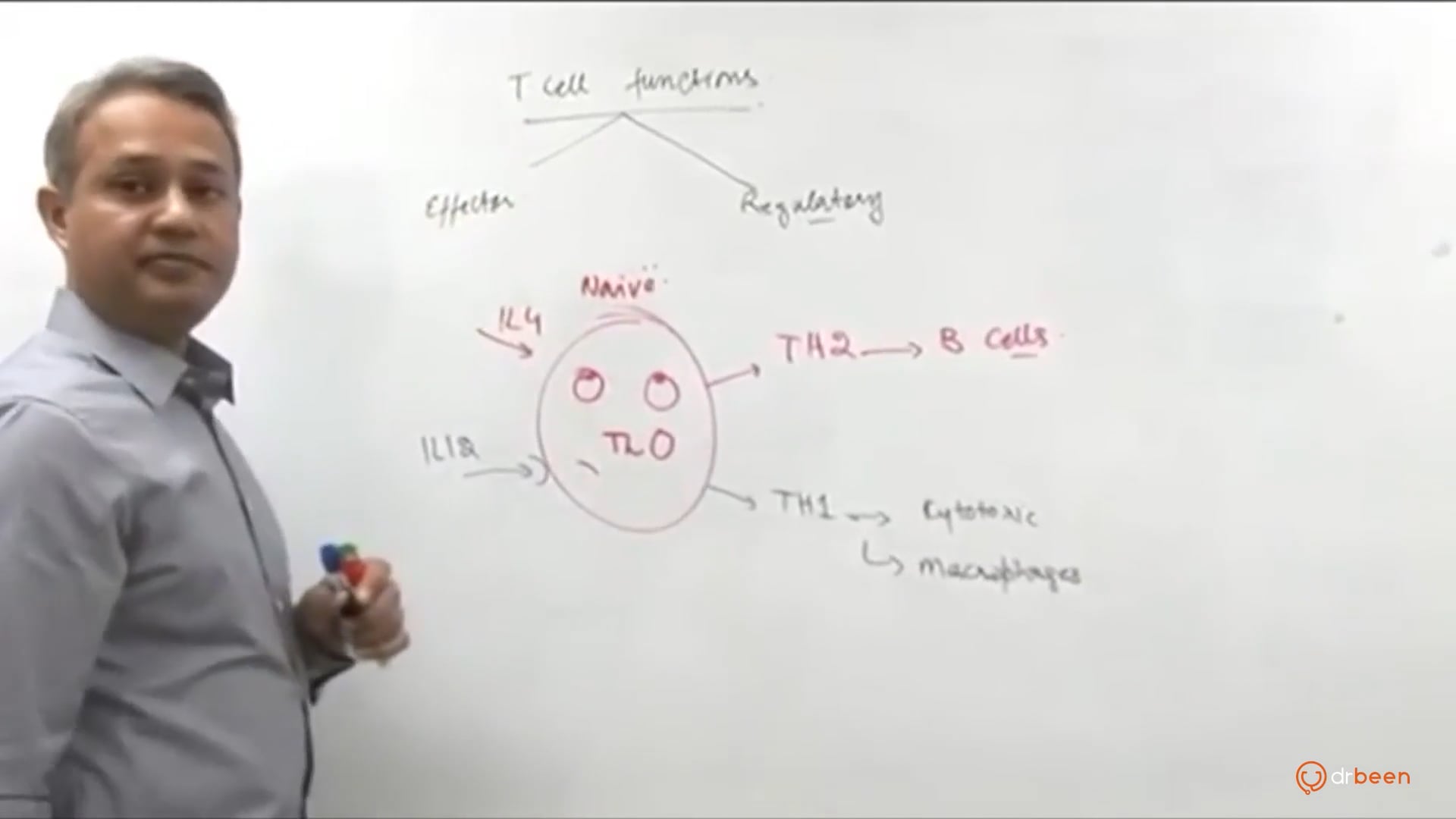
- The structure of T cell surface receptors.
- The structure of T cell receptors.
- The role of CD3 in formation and function of T cell receptors.
- Somatic hyper mutation or affinity maturation in immunoglobulins.
- Similarities and differences in the structure of immunoglobulin and T cell receptors.
- T cell receptor formation
- Chromosomes and genes involved in receptor formation.
- The generation of recombinase enzyme and recombination of genetic material.
- Different genetic defects involved in pathology of SCID.
- DNA recombinations for immunoglobulin formation.
- Genetic combinations for light and heavy chains.
- Differences in the formation of immunoglobulins and T cell receptors.


Write A New Comment
0 Comments