This video is not approved for CME yet. Please check in a few days for the approval result. Thank you for your patience.
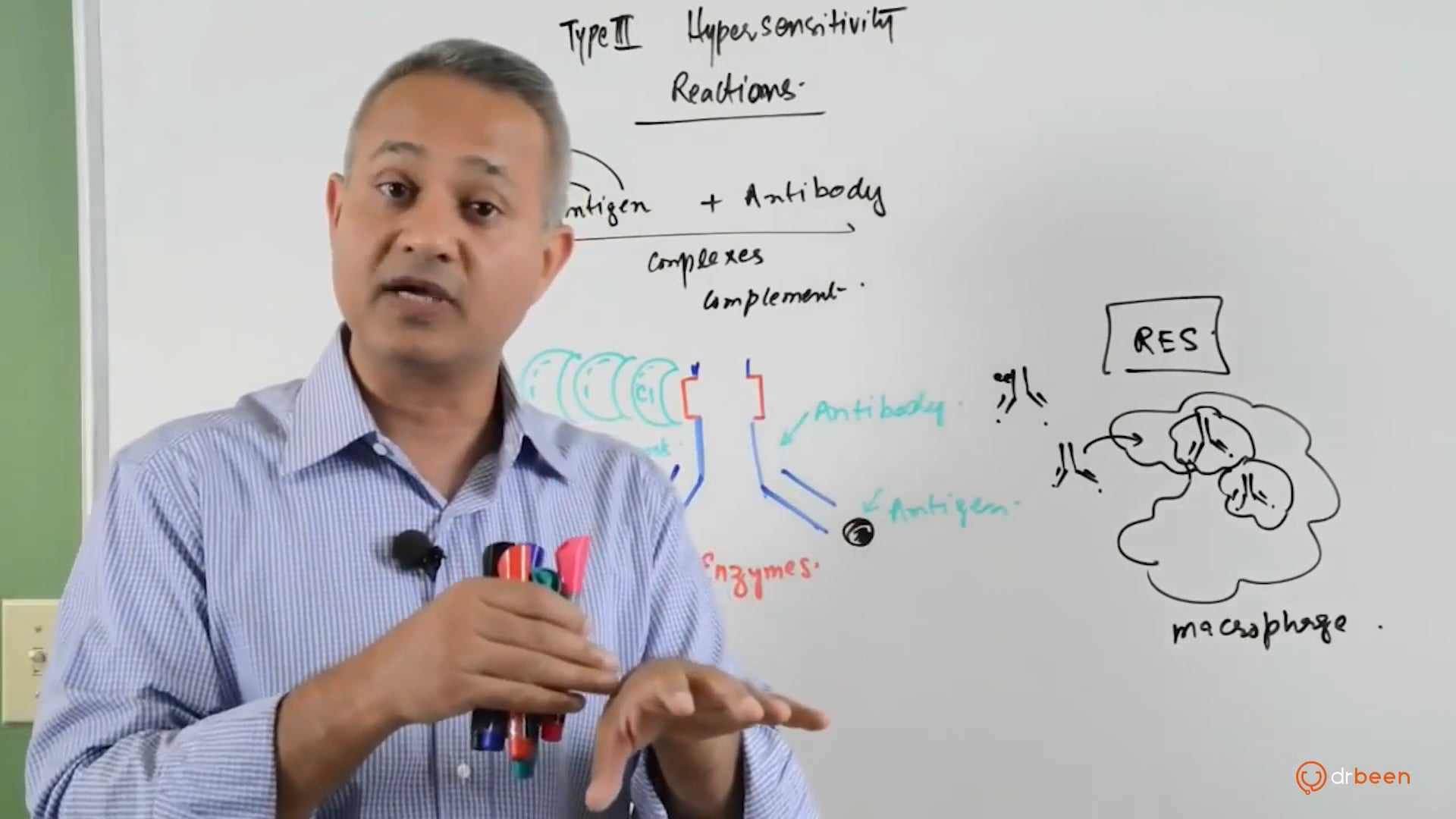
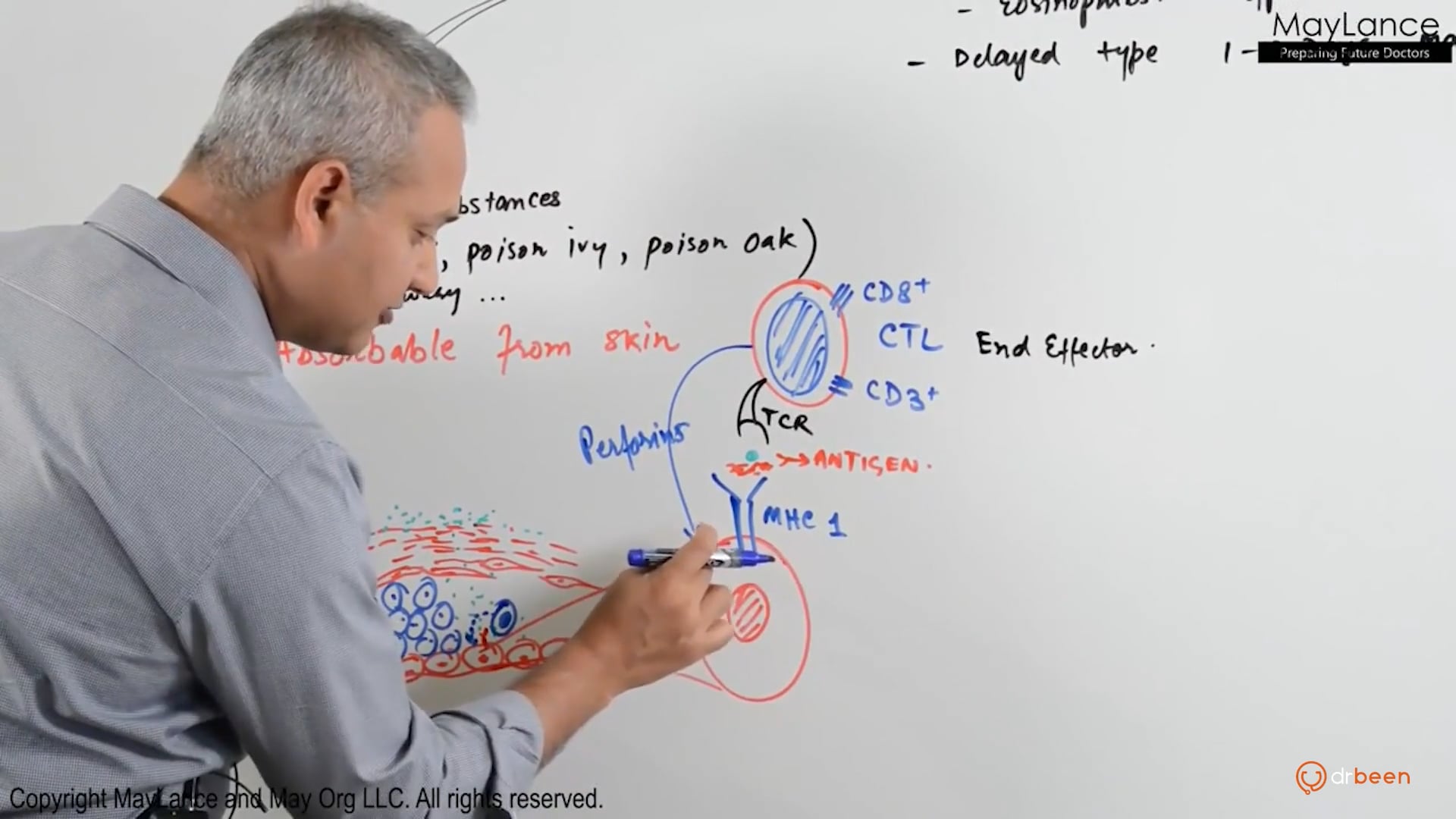
Hypersensitivity reactions are categorized into four types based on the underlying immune mechanisms. Type I hypersensitivity, also known as immediate hypersensitivity, is mediated by IgE antibodies and involves rapid allergic reactions such as hay fever or anaphylaxis. Type II hypersensitivity, or cytotoxic hypersensitivity, involves IgG or IgM antibodies binding to antigens on cell surfaces, leading to cell destruction through mechanisms like complement activation or phagocytosis. Type III hypersensitivity involves the formation of immune complexes that deposit in tissues, causing inflammation and damage, as seen in conditions like systemic lupus erythematosus. Type IV hypersensitivity, or delayed-type hypersensitivity, is mediated by T-cells and occurs over a longer period, such as in contact dermatitis or tuberculosis skin tests.
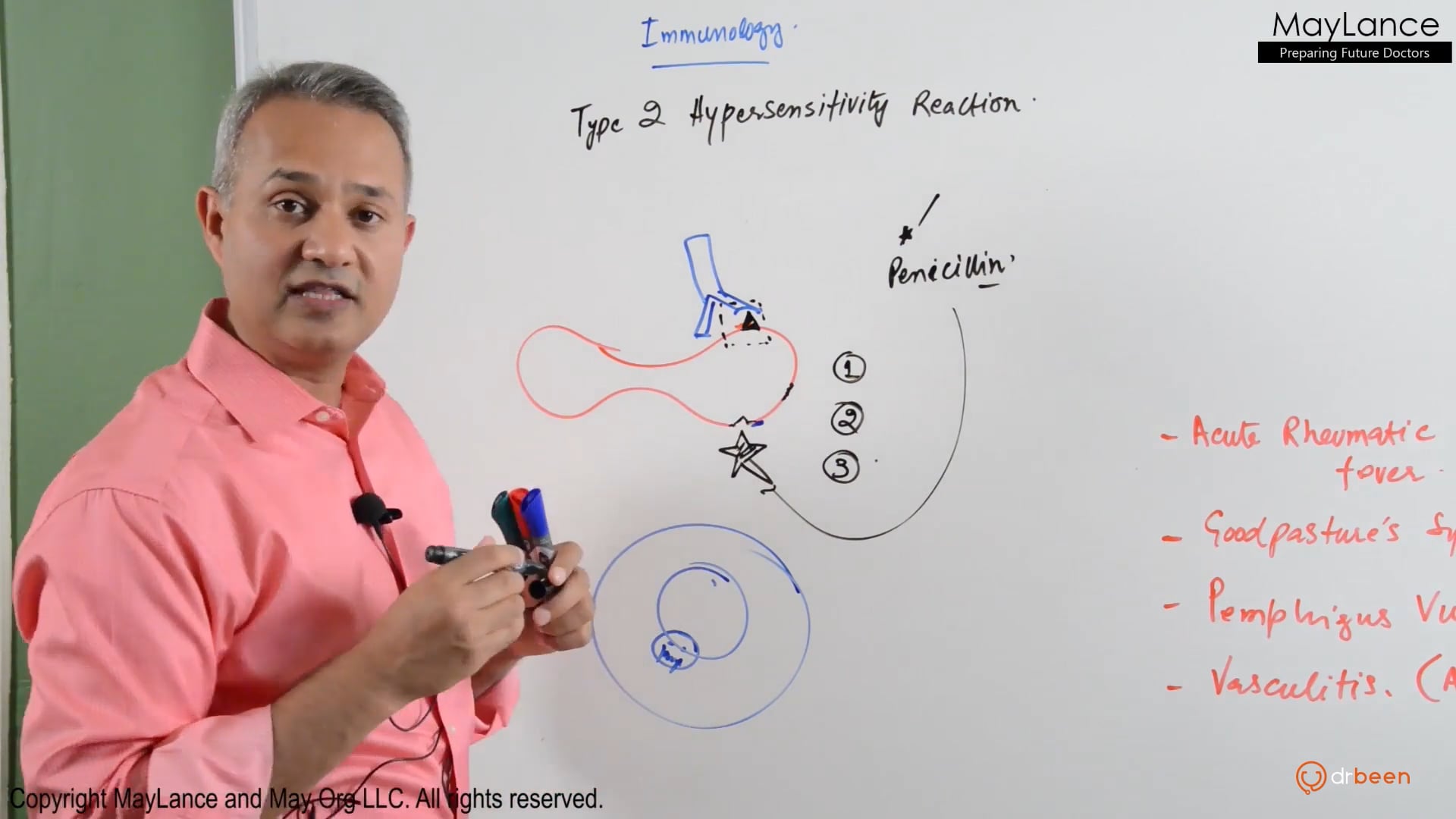
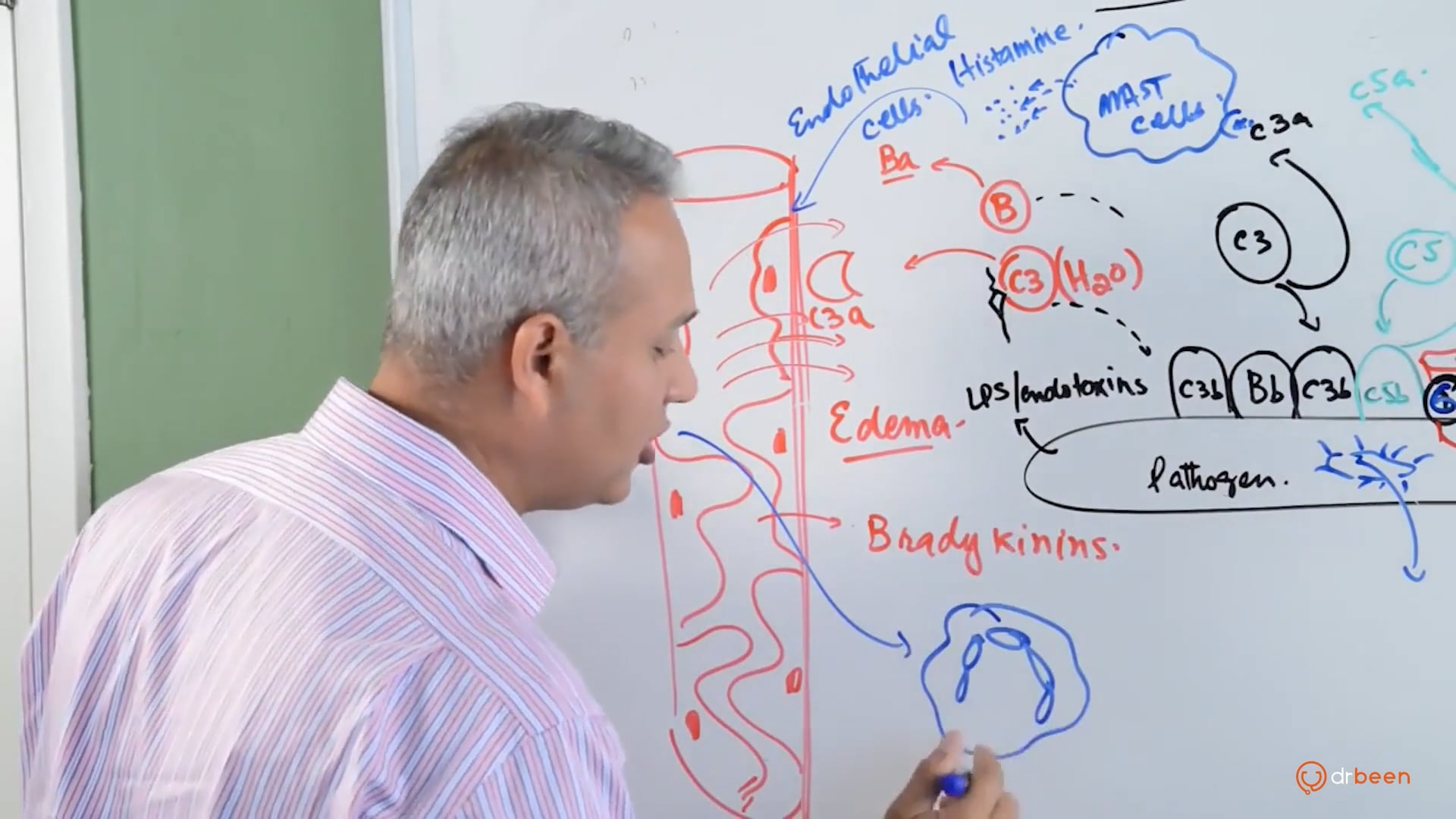
Type II hypersensitivity reactions are characterized by the binding of antibodies to antigens on cell surfaces or in tissues. This binding can lead to cellular damage through various mechanisms, including complement activation, which forms membrane attack complexes that lyse cells, or antibody-dependent cellular cytotoxicity, where immune cells target and destroy the antibody-coated cells. The resulting tissue damage can manifest in various ways, depending on the target tissue and the nature of the antigen.
Subtypes of Type II hypersensitivity reactions include cytotoxic reactions, where antibodies directly cause the destruction of target cells. For example, in autoimmune hemolytic anemia, antibodies bind to red blood cells, leading to their destruction and resulting in anemia. Autoimmune diseases like myasthenia gravis involve antibodies targeting receptors at neuromuscular junctions, impairing muscle function. In this condition, antibodies block
The difference between four types of hypersensitivity reacions.
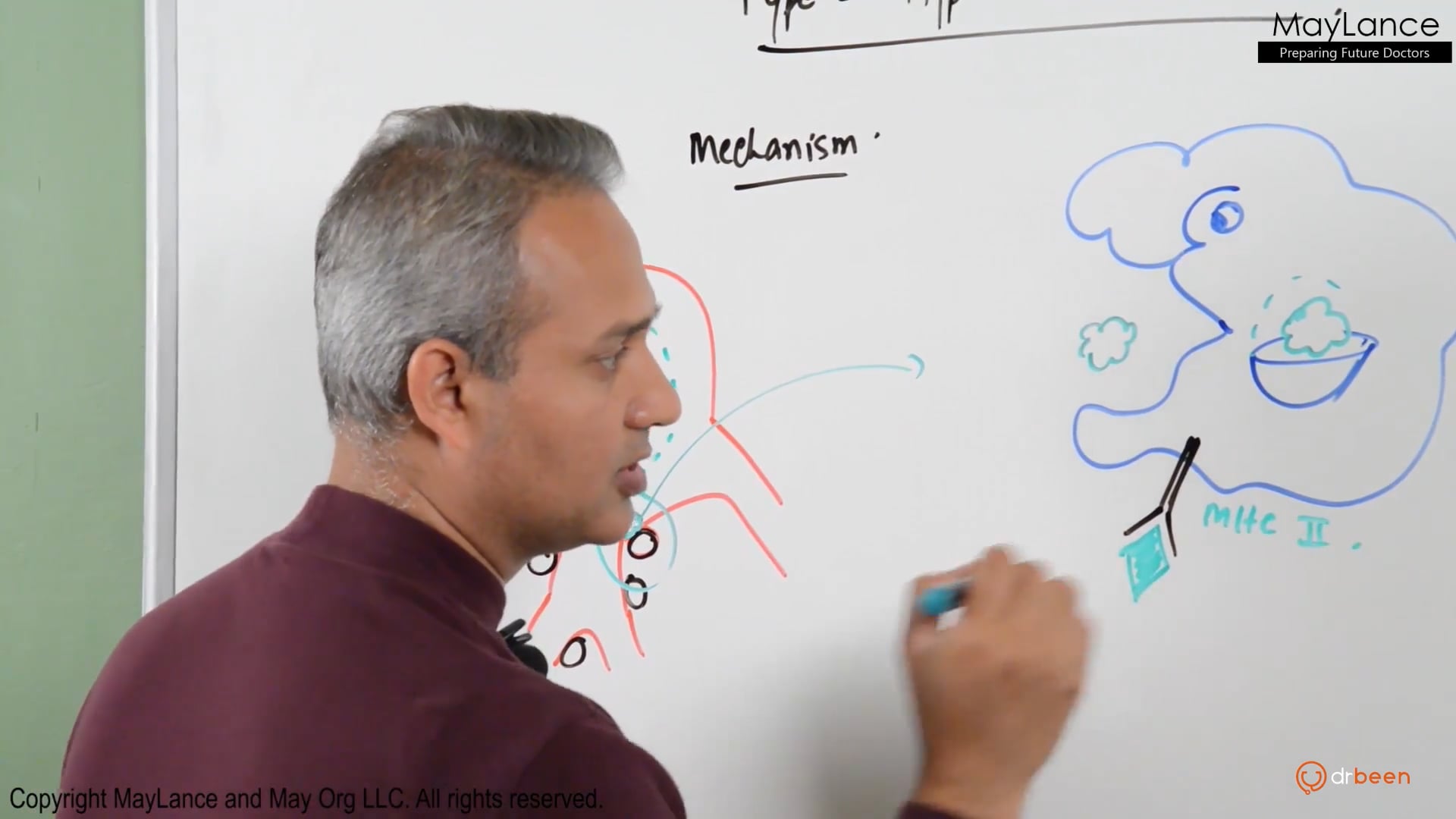
The immunopathological mechanism of Type II hypersensitivity reactions.
Subtypes of Type II hypersensitivity reaction and their mechanism of injury.
Different diseases associated with different subtypes.
Pathophysiology of myasthenia gravis and Graves' disease.
Pathophysiology of good pasture's syndrome and vasculitis.
Mechanism of injury of autoimmune hemolytic anemia and transfusion reactions


Write A New Comment
0 Comments