
My Notes
Become a member to create study notes.
Sign up for free trial
Mast and Basal Cells
Duration:
1:15:09
Immunology /
Learning Objectives
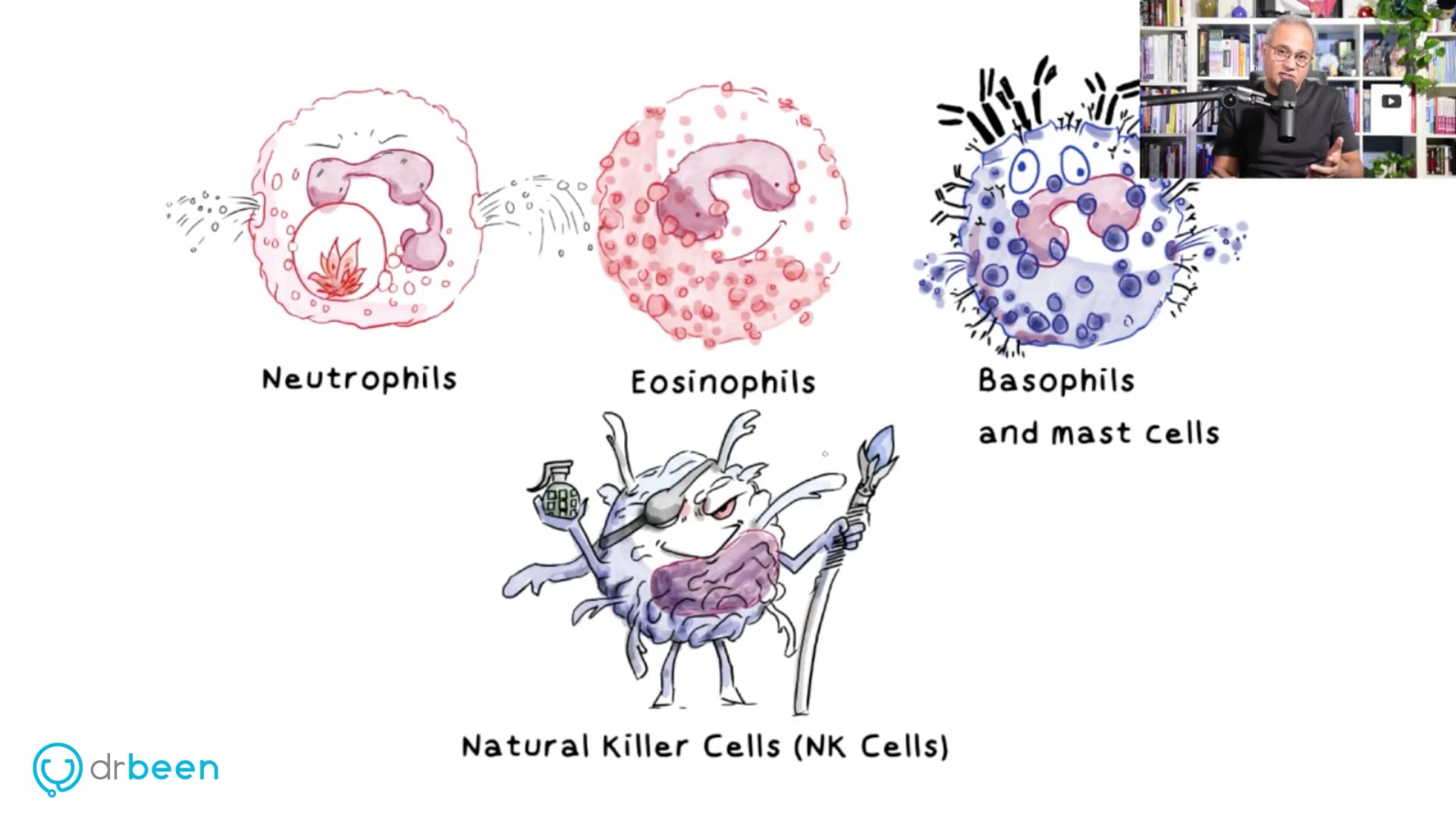
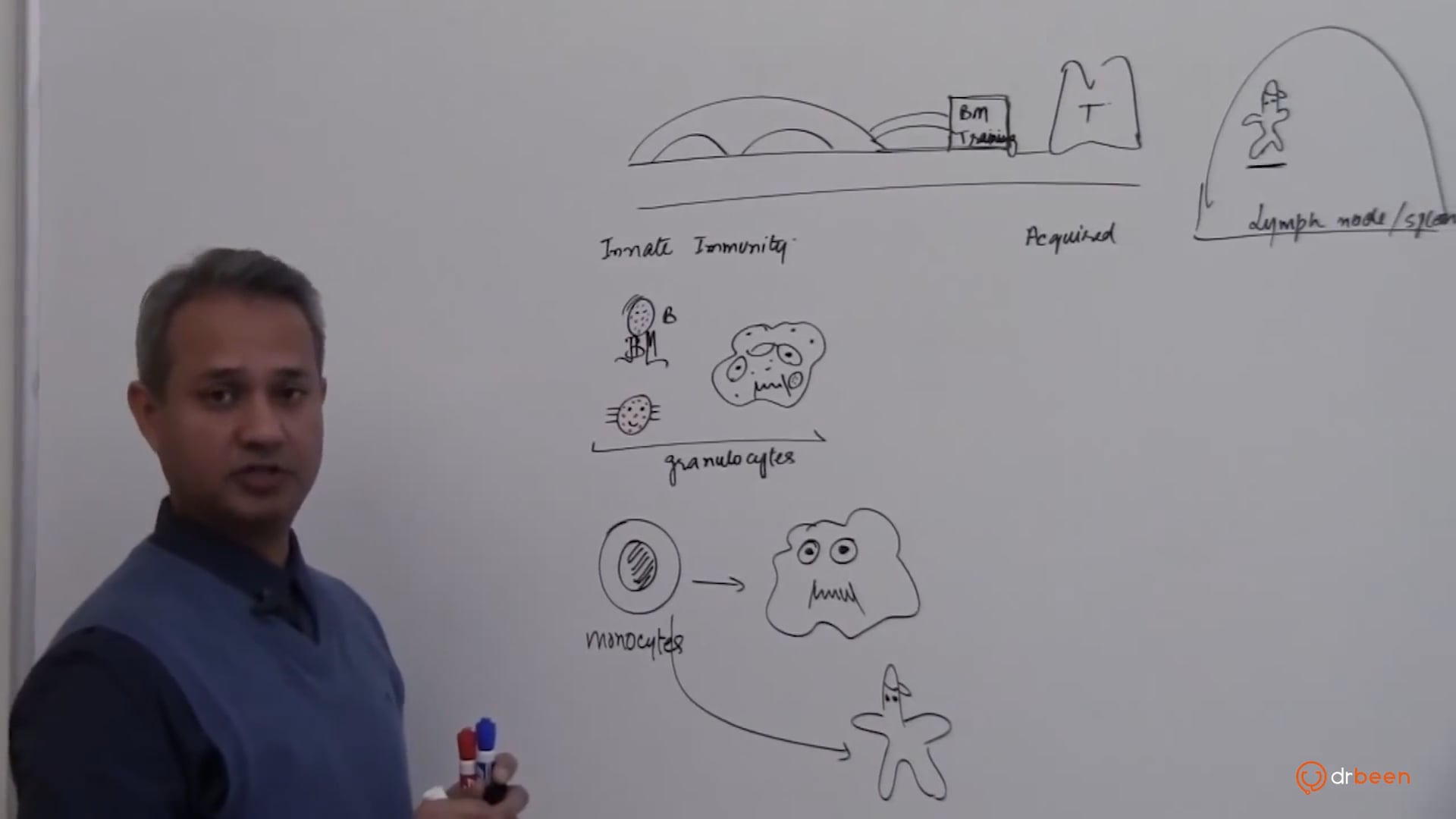
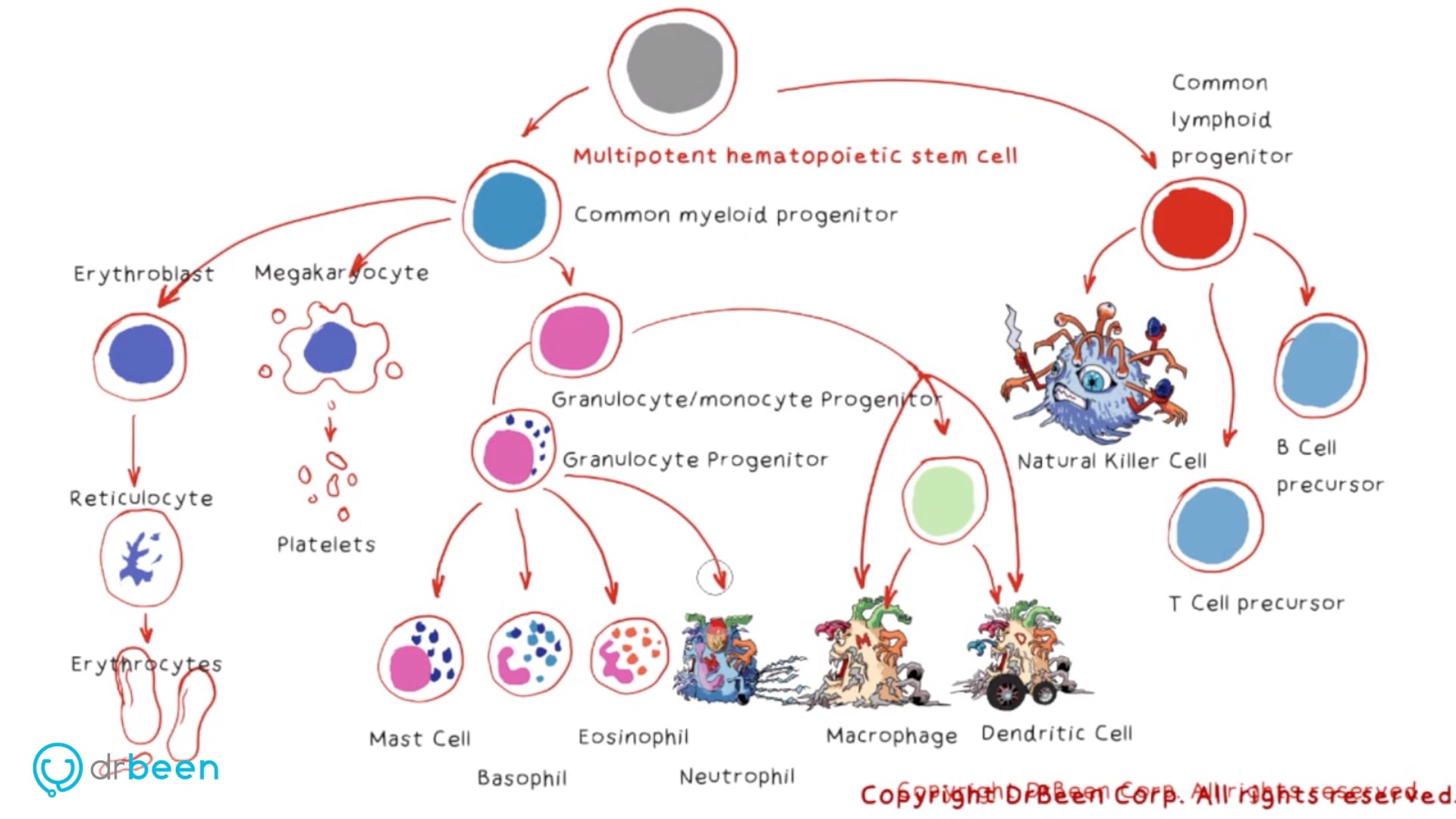
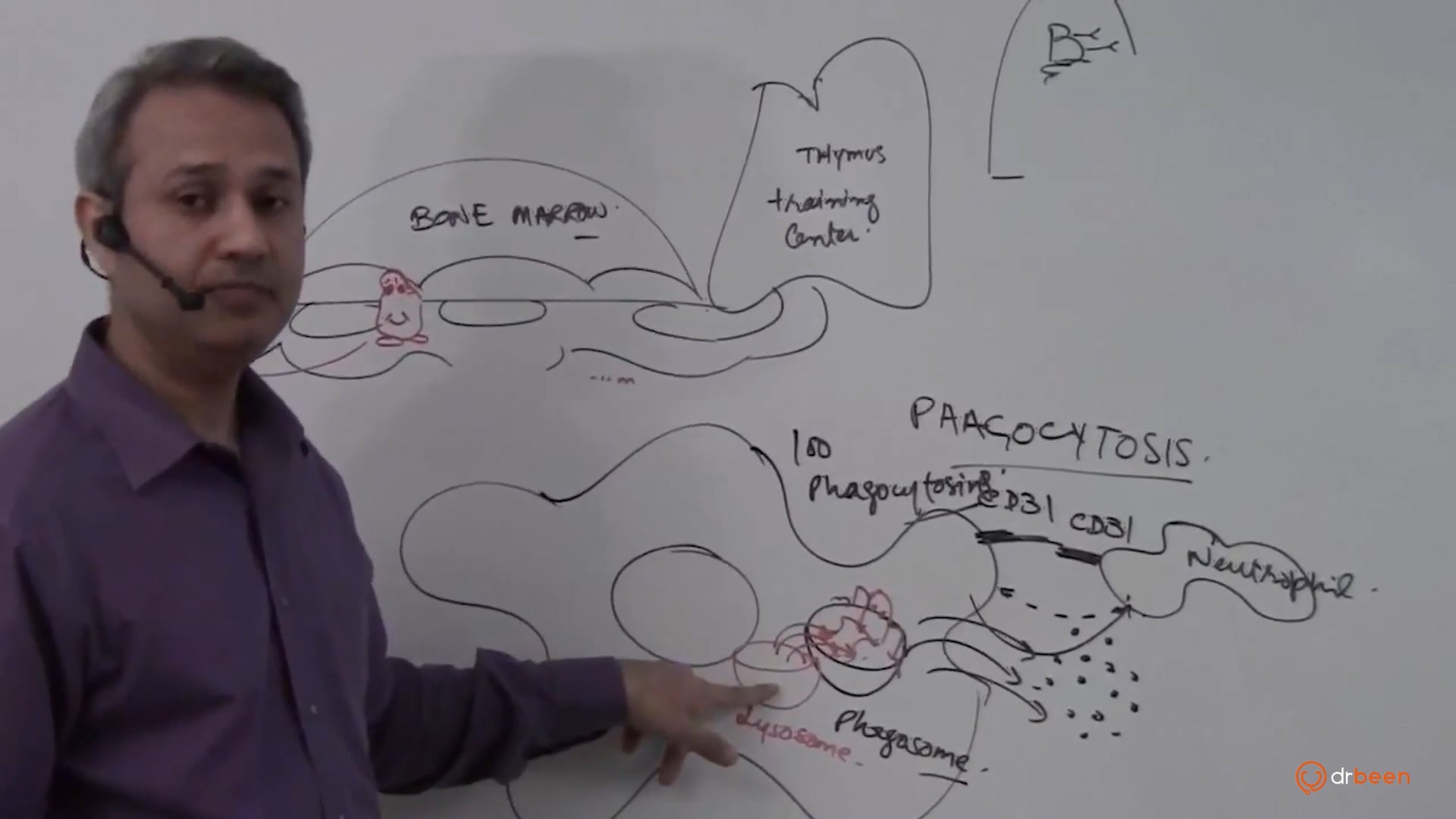
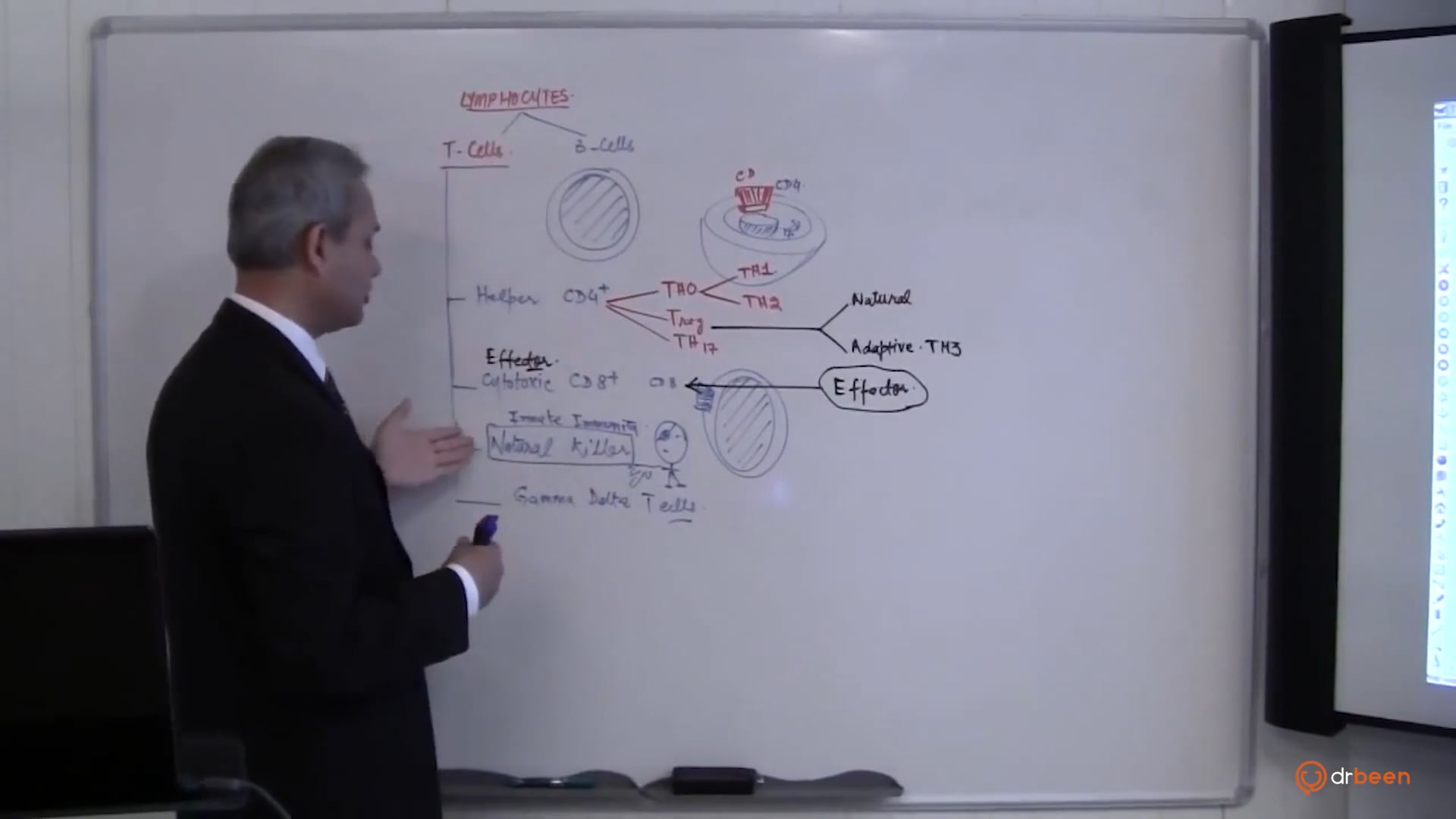
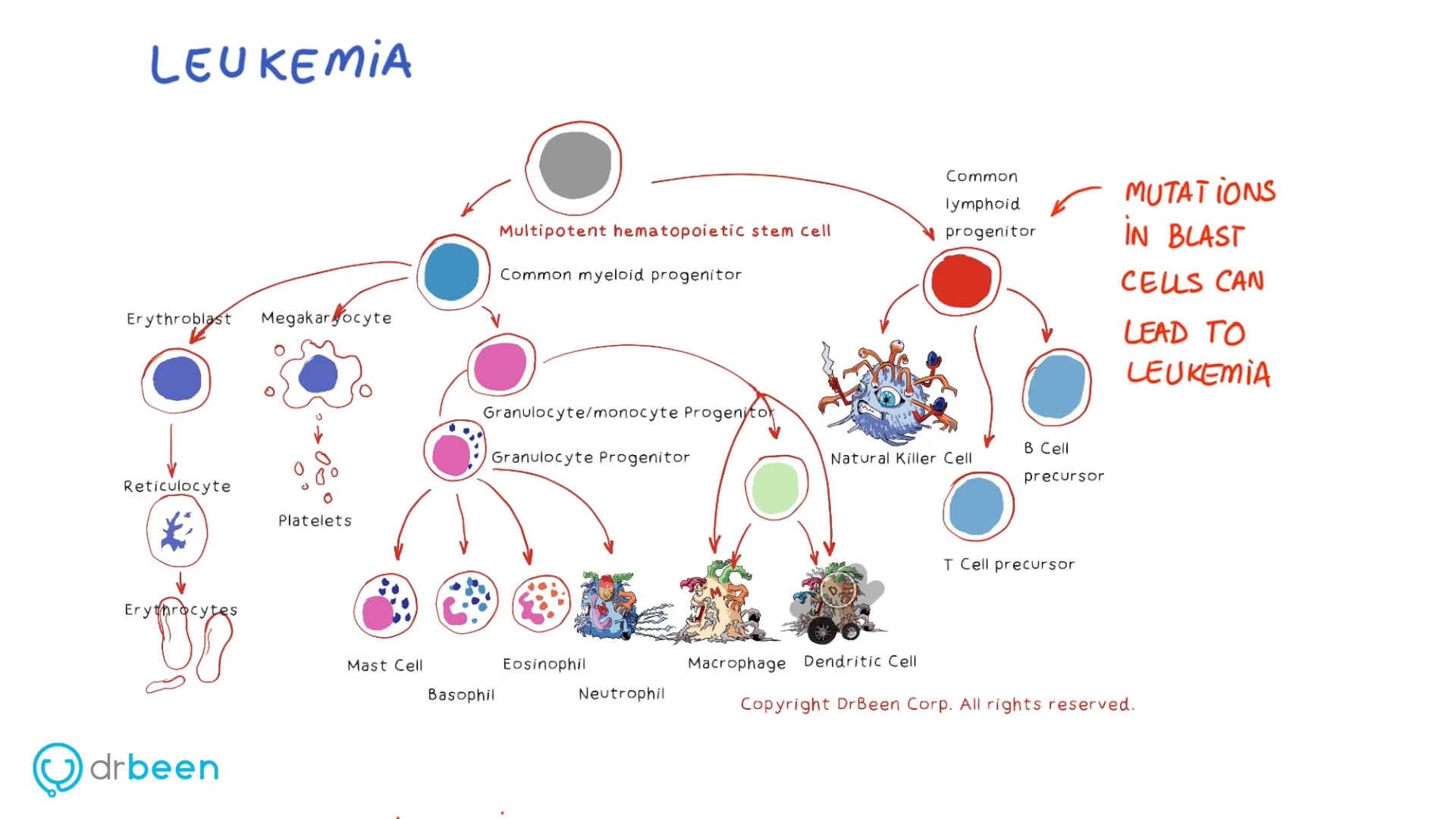
- Review of the cells involved in immune system.
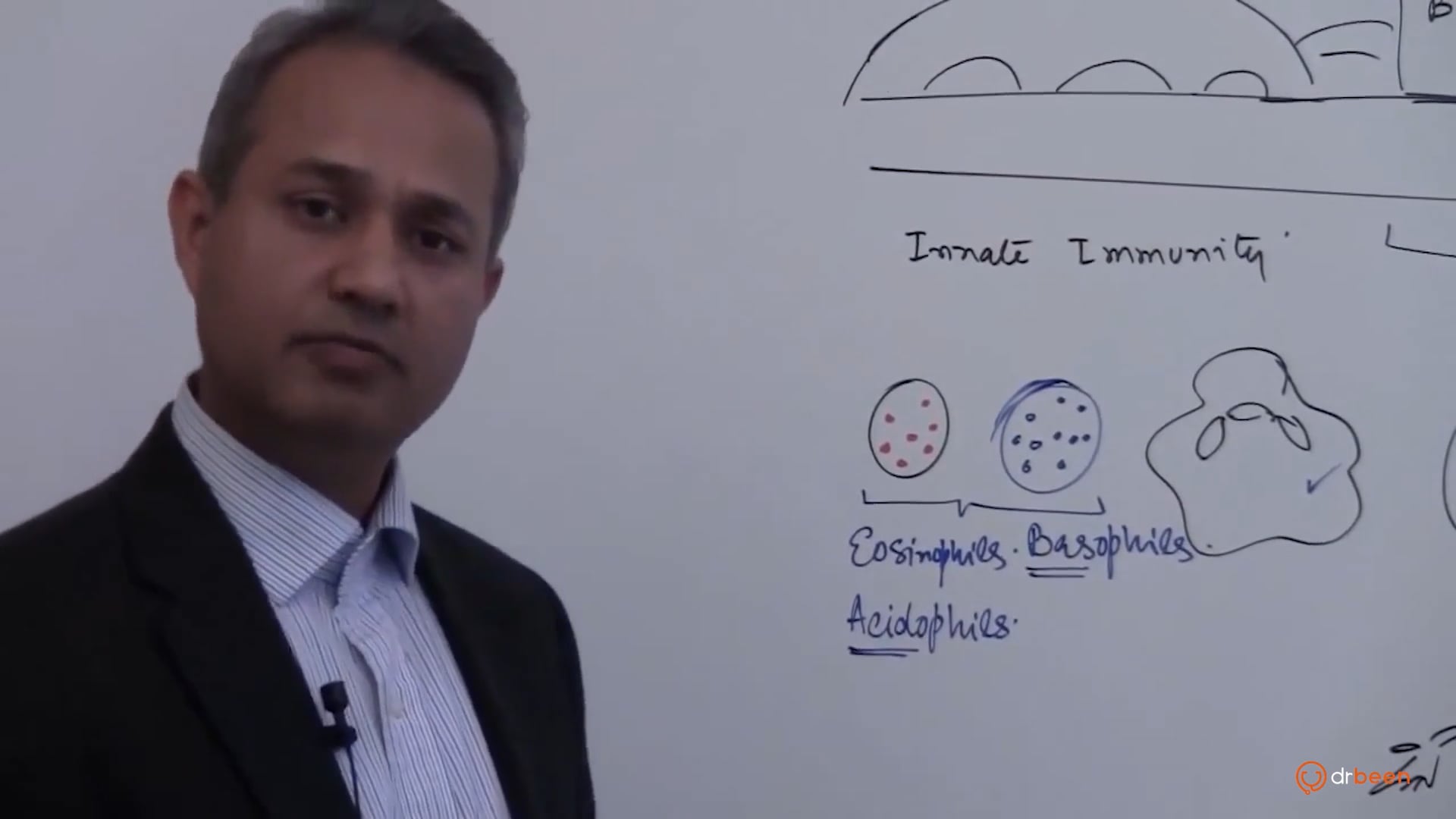
- Granulocytes (Basophils and eosinophils).
- Difference between a basophil and a mast cell.
- Recap of production of basophils.
- Chemicals that cause increase in their production.
- Structure of basophil/mast cells.
- Primary functions of the contents in their granules.
- Concept of allergin and antigen.
- Genetic disposition to allergic reactions.
- How IgE antibodies mediate anaphylaxis.
- Role of cGMP in relese of histamine. The mechanism of action of histamine.
- cAMP and its function in membrane stabilization of mast cells.
- The mechanism of releases of preformed chemotactic factors in the acute phase.
- Different lipid mediators of anaphylaxis reaction.
- Role of leukotrienes in mediating the late phase anaphylaxis reaction.
- Potential effect of leukotriene B4 in causing inflammation.
- The slow-reacting substances involved in anaphylaxis.
- Mechanism of an anaphylactoid reaction.
- Various triggers for allergy.
- Role of eosinophils in reducing allergic reaction and secondary harmful effects of eosinophils on the body.
- Eosinophils: basic structure and properties.
- Functions of eosinophils in helminthic infections and antibody-dependent cellular cytotoxicity (ADCC).
- An overview mechanism of ADCC.
- The possible role of eosinophils in asthma.
- Consequences of activation of eosinophils in case of asthma.
- Different inflammatory chemical mediators released from eosinophils.
Instructor
Videos in this series