Library
Reviews
Articles
Community
Sign In
Author declares no conflict of interest.
×
Get free trial
with access to all our lectures
no credit card required
My Notes
Become a member to create study notes.
Sign up for free trial
Neutrophils
Duration: 3:02:06
/
Flashcards
Video notes
Flash Cards
Become a member to create your own flashcards and access community flashcards.
Sign up for free trial
Notes
Become a member to get access to articles.
Sign up for free trial
Learning Objectives
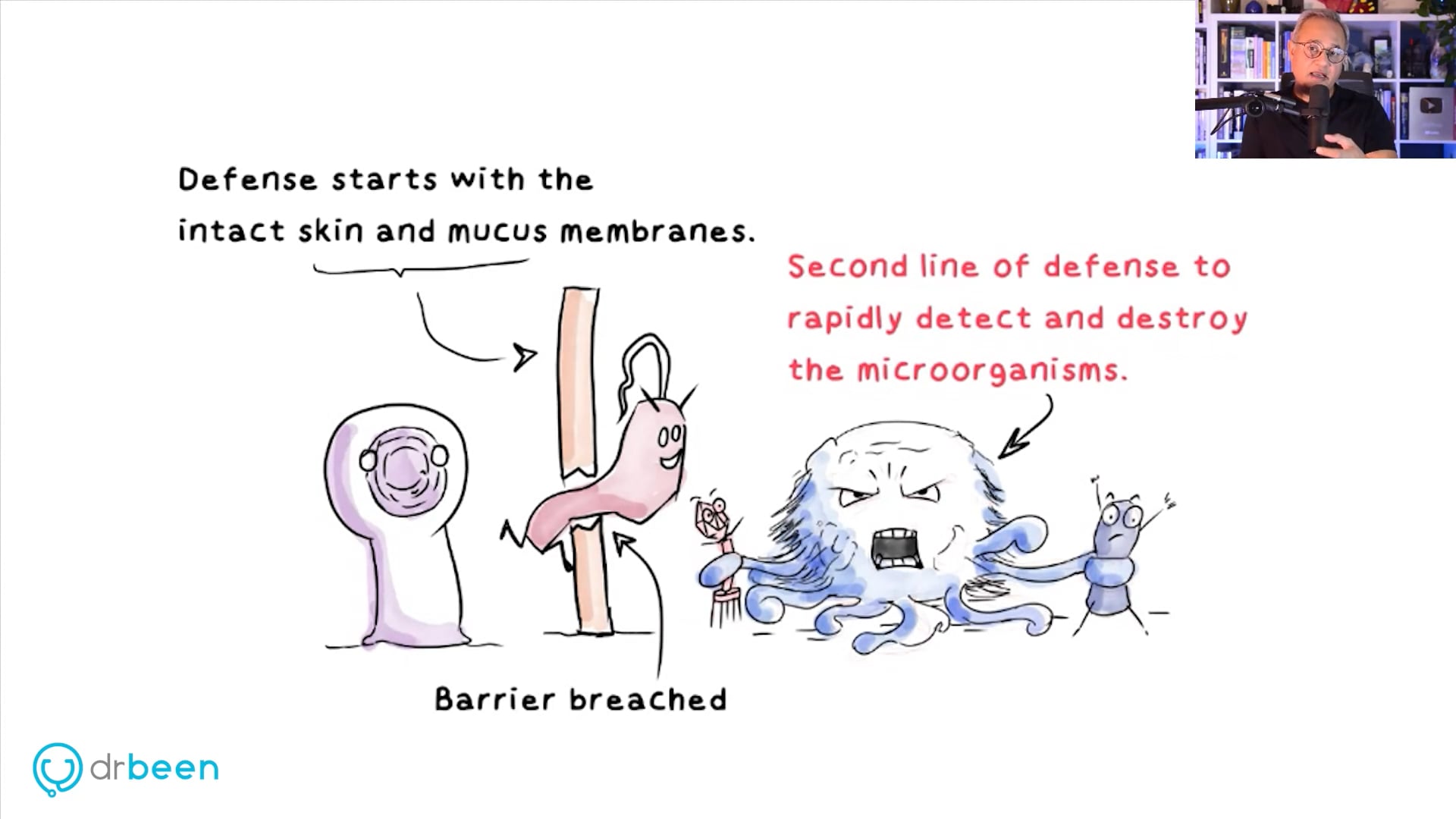
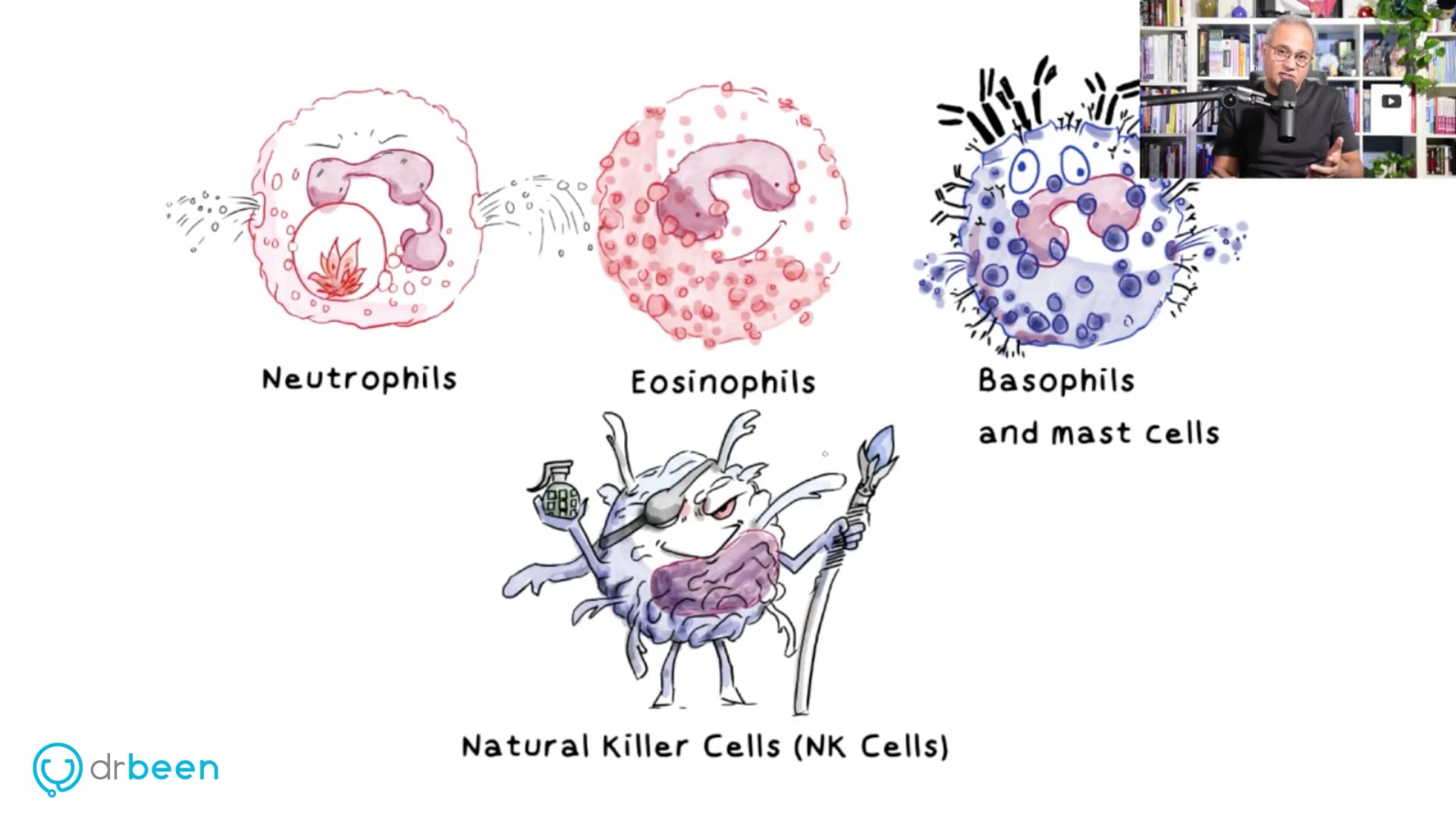
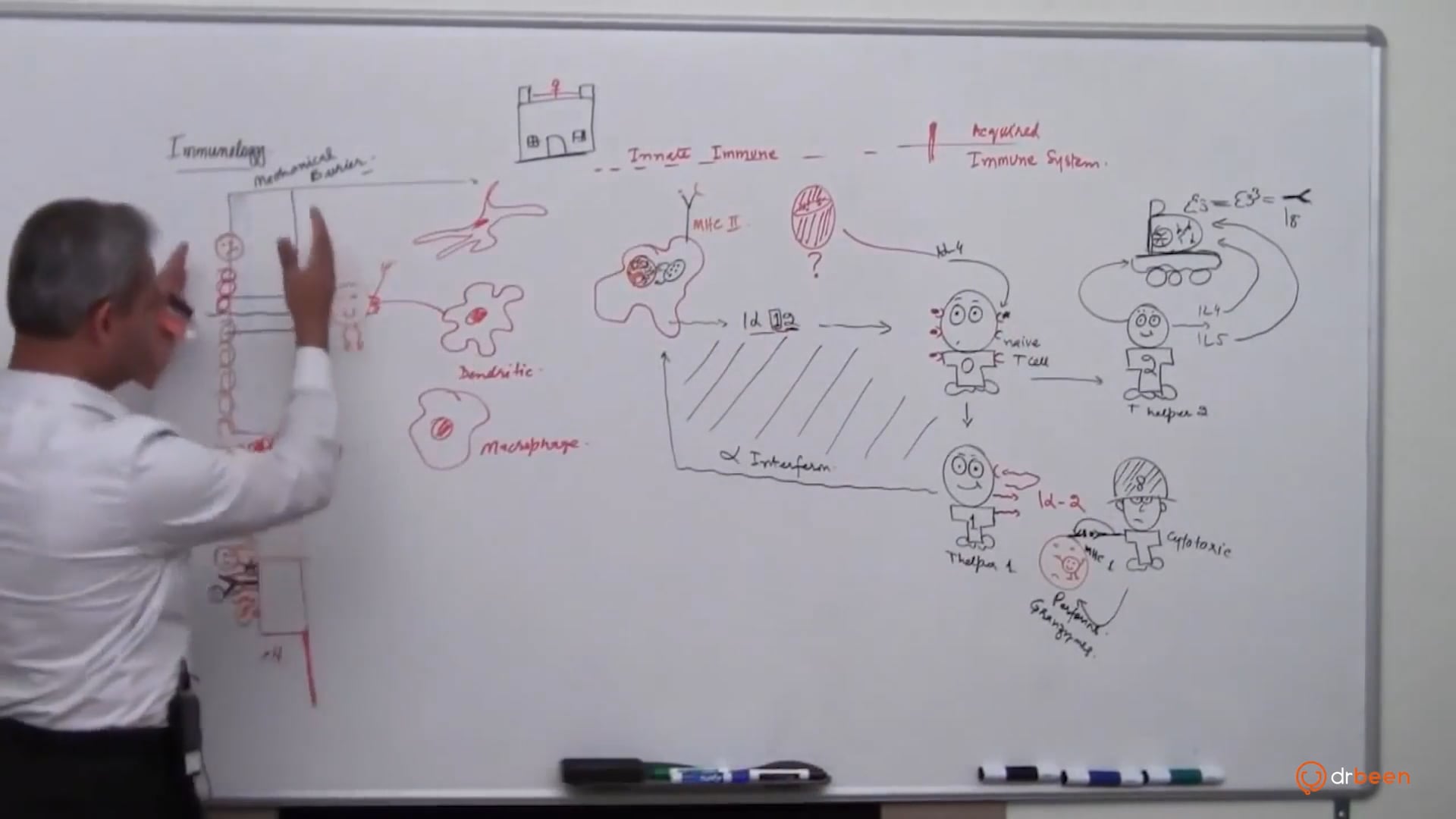
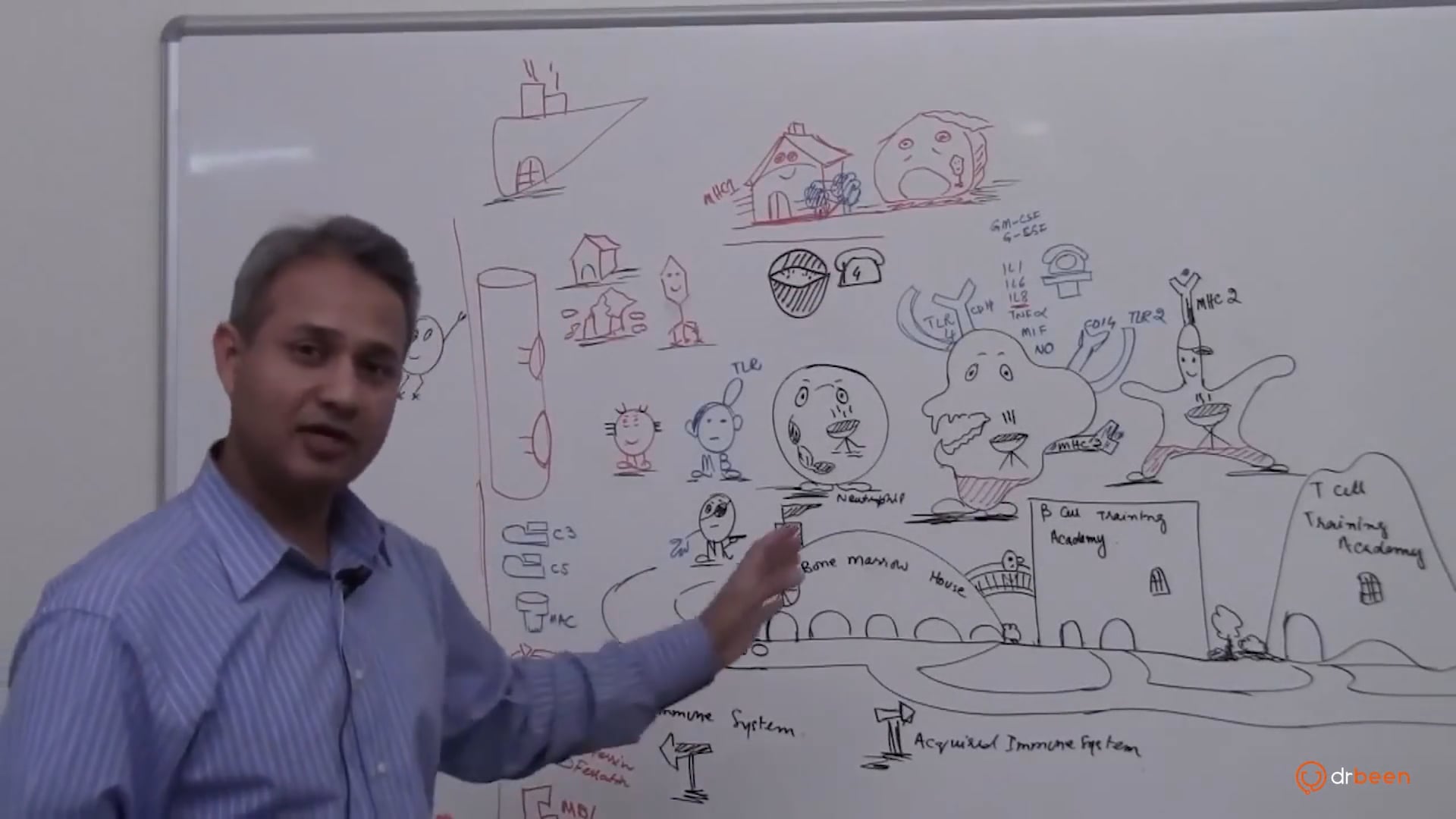
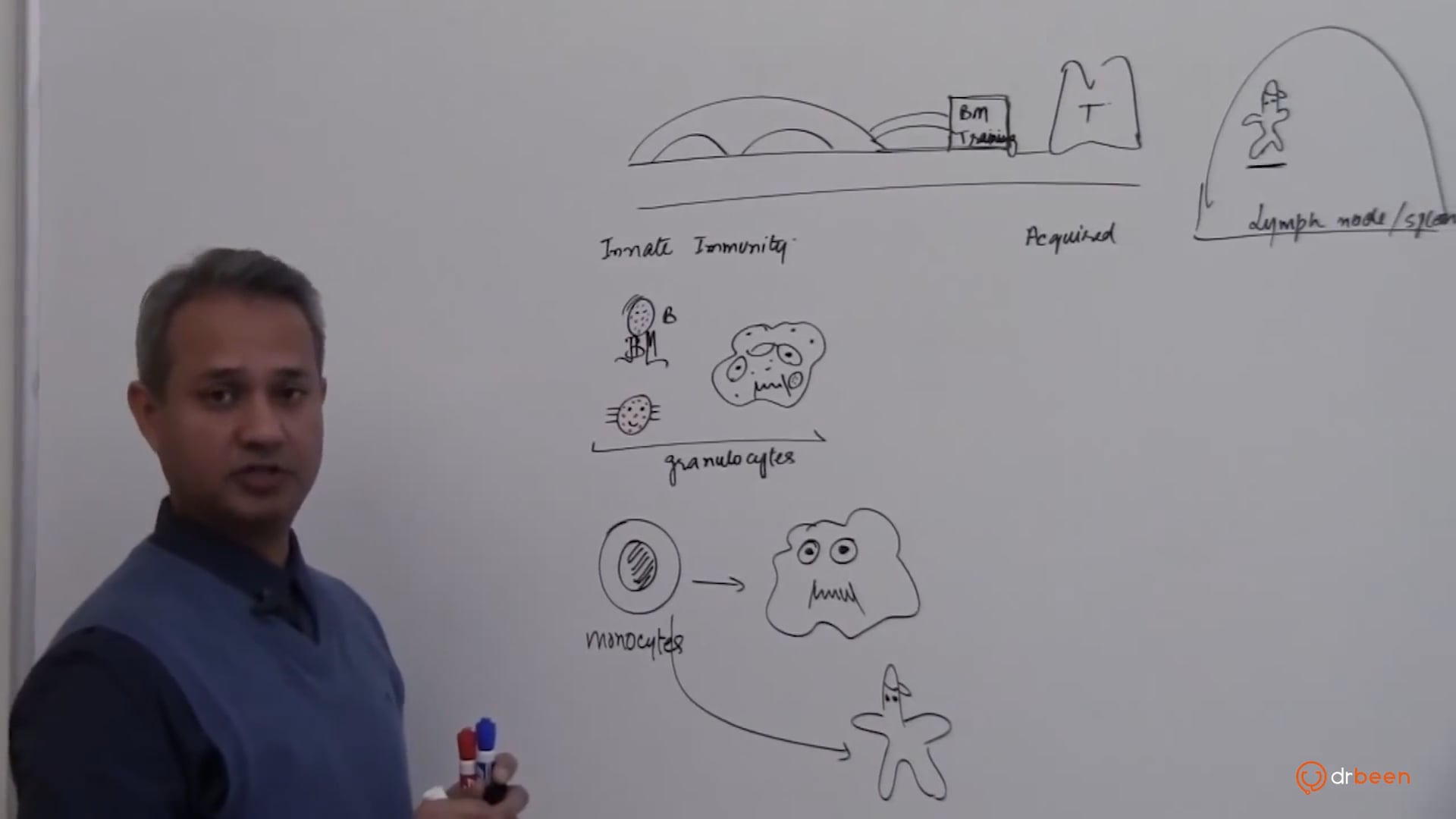
Introduction to the Cells involved in innate arm of immune system.
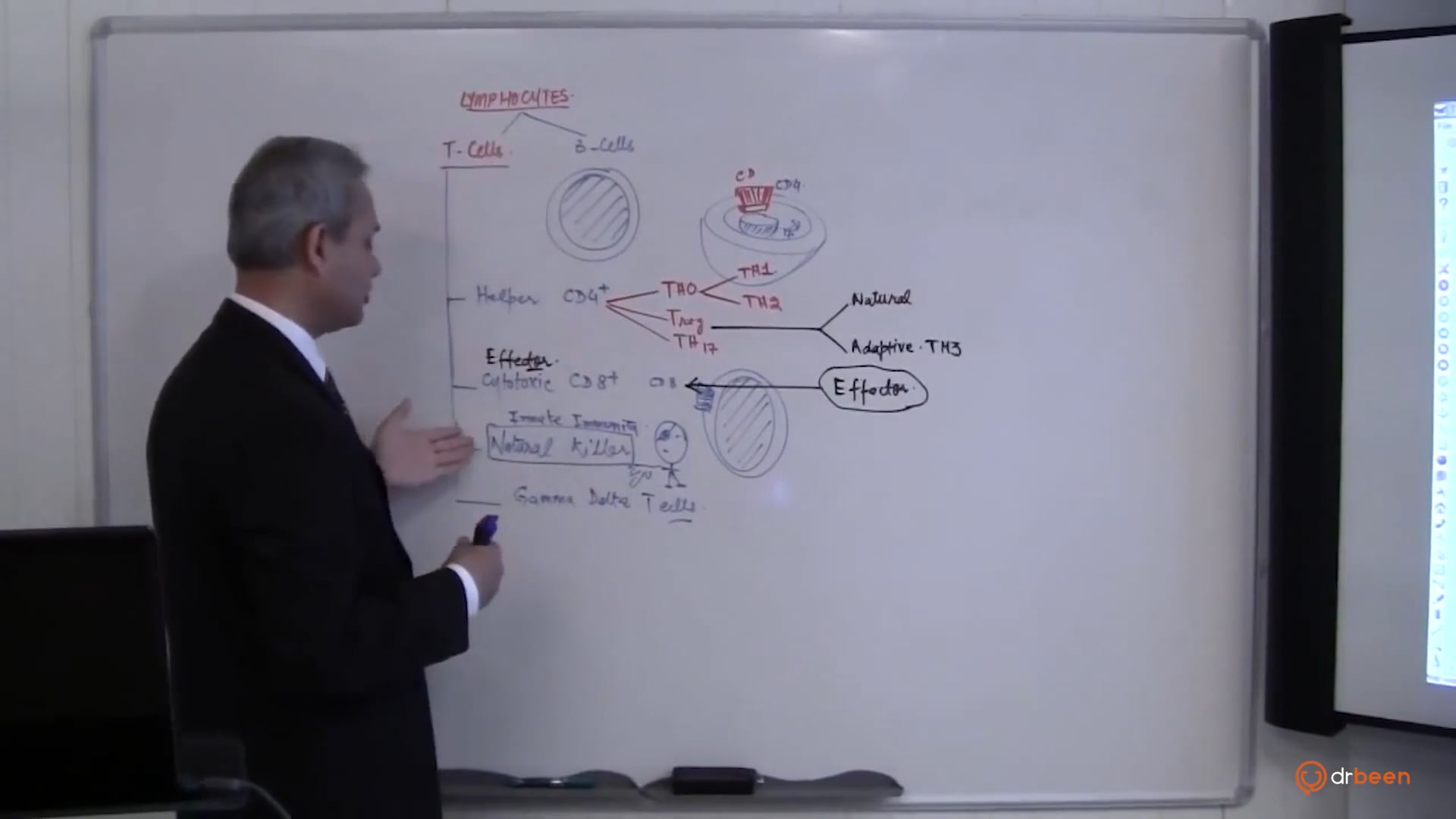
Major cells involved in acquired arm of immune system.
Overviewing role of endothelial cells in immune system.
How our immune system is able to recognise and differentiate a healthy cell from an infected cell?
Role of flippant proteins.
Concept of asymmetry across the lipid bilayer.
Role of asymmetry in helping immune system to recognise unhealthy cell.
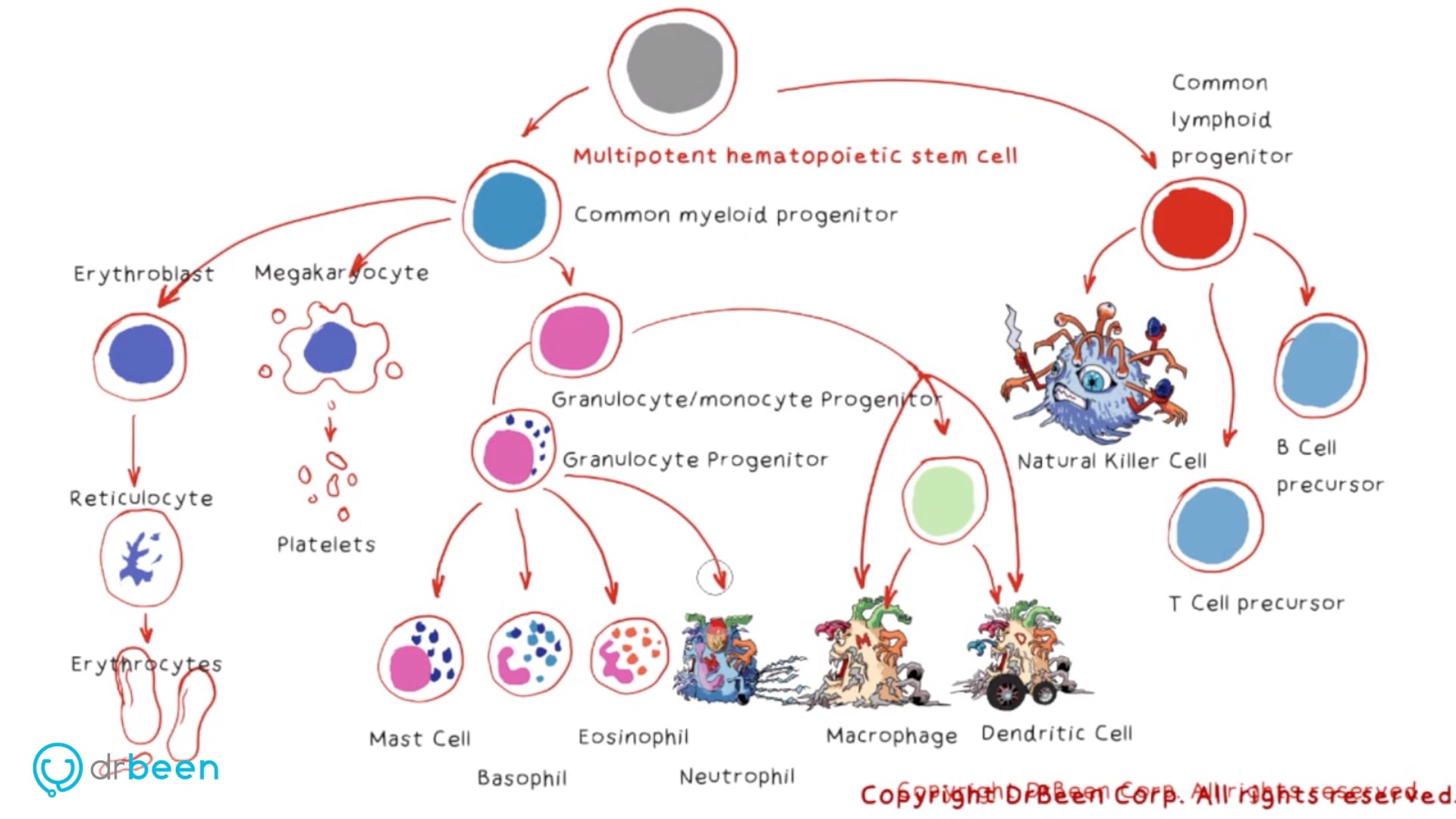
Understanding stem cells as obligatory asynchronous replicators.
Totiopotent cells.
Concept of totiopotent, pluripotent, multipotent, oligopotent and unipotent stem cells.
Formation of neutrophils from hemocytoblast.
Myeloid lineage.
Stages from prometamyelocyte to neutrophils.
Clinical significance of increased band cells.
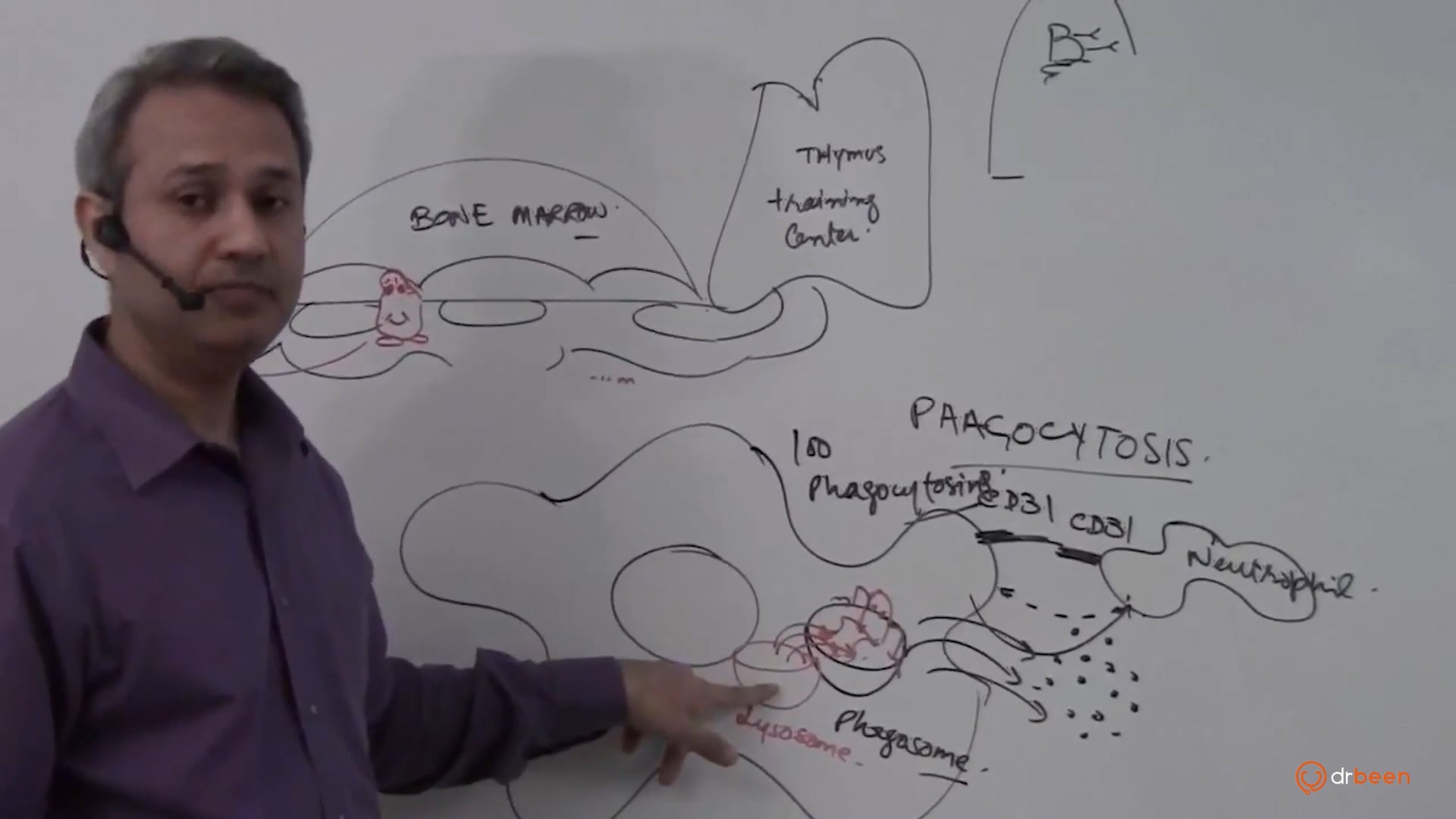
Interaction of healthy neutrophil and macrophage.
Interaction of dying neutrophil with macrophage.
Half life of neutrophils.
Pus production and contents.
Action and functions of neutrophils.
Discussion
Become a member to discuss topics with other kool beens in the community.
Sign up for free trial
Instructor
Videos in this series
Immune System Function Part 1
Immune System Function Part 2 (Effector Cells)
Overview (Innate and Acquired Arm)
Overview (Immune Cells)
Neutrophils
Natural Killer (NK) Cells
Mast and Basal Cells
Macrophages
MHC I and MHC II Loading
T Cells (part 1)
T Cells (part 2)
T Cells Maturation and Selection
T Cell Receptors and Immunoglobulins
T Cell Functions
B Cell Functions
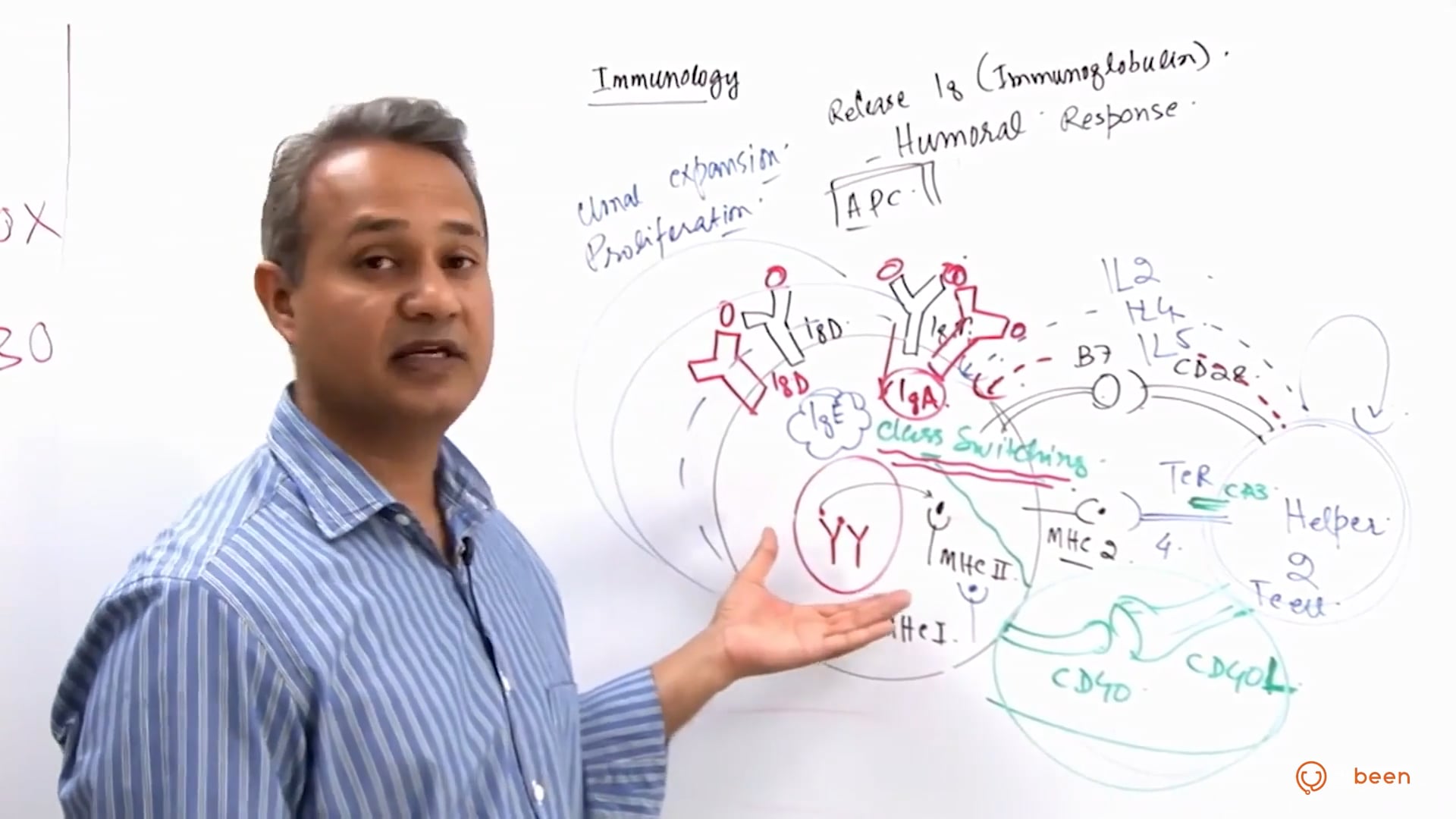
Immunoglobulins
Type 1 Hypersensitivity Reactions - Allergies (Urdu-Hindi)
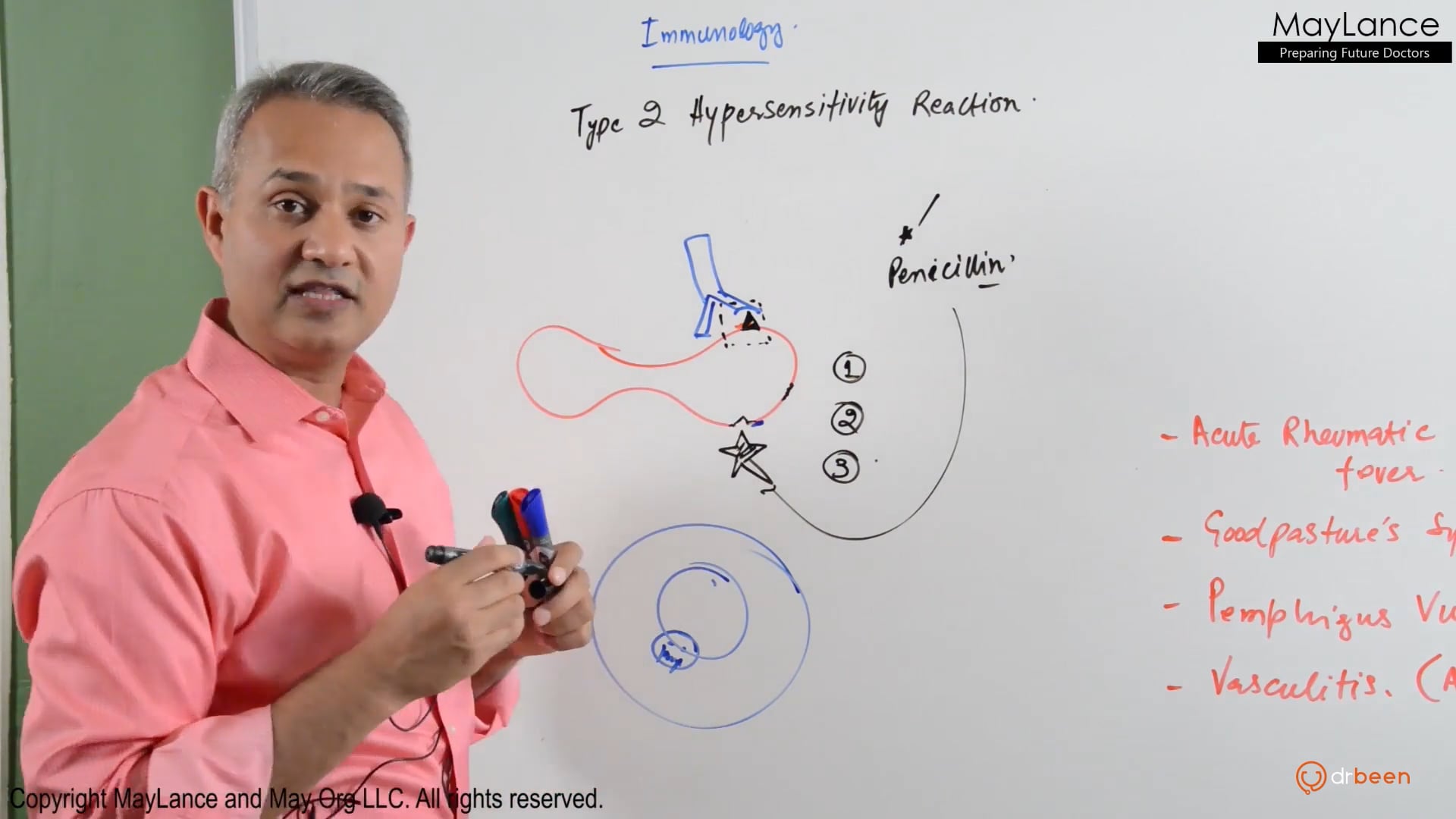
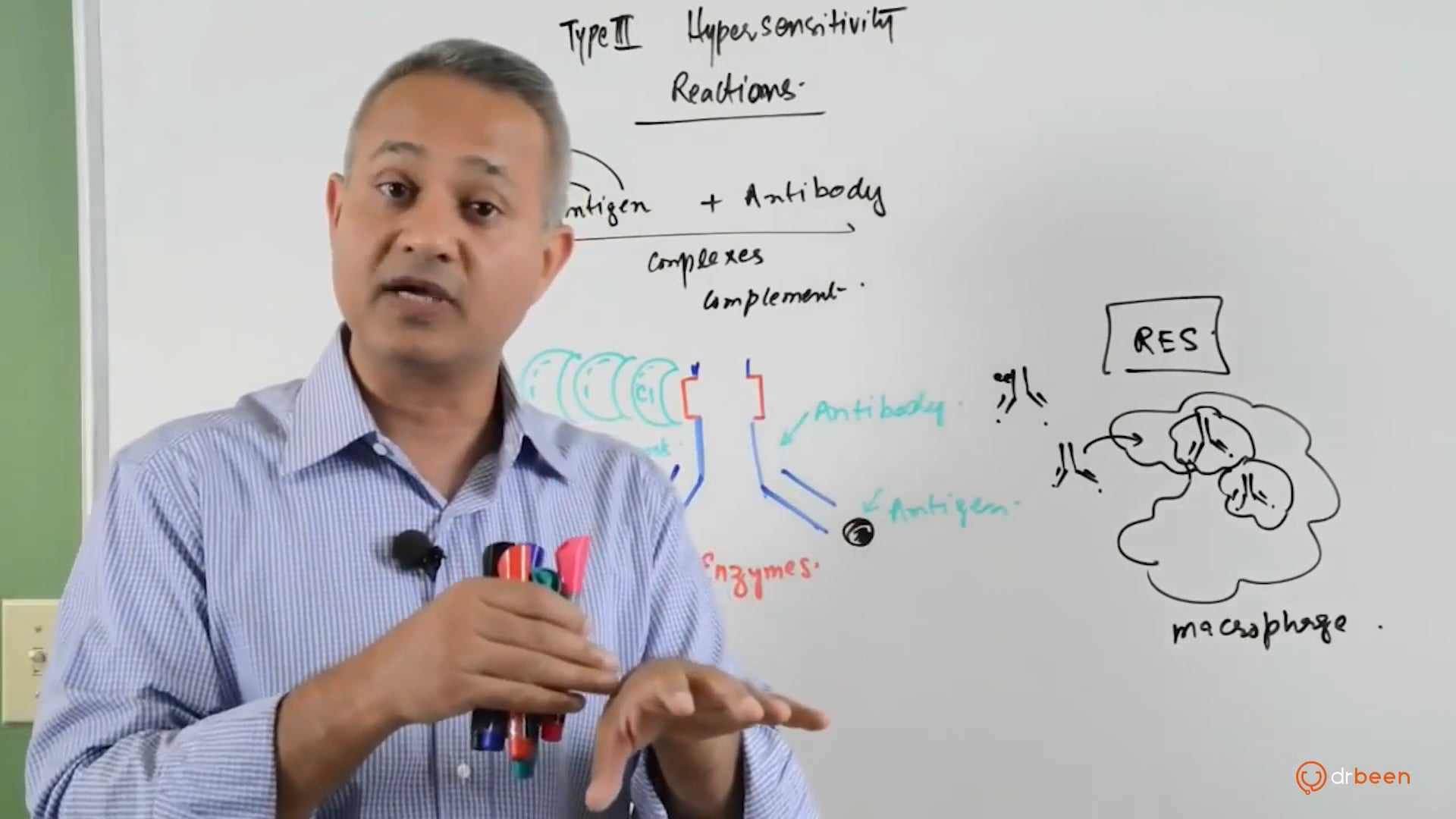
Type II Hypersensitivity Reactions
Type III Hypersensitivity Reactions
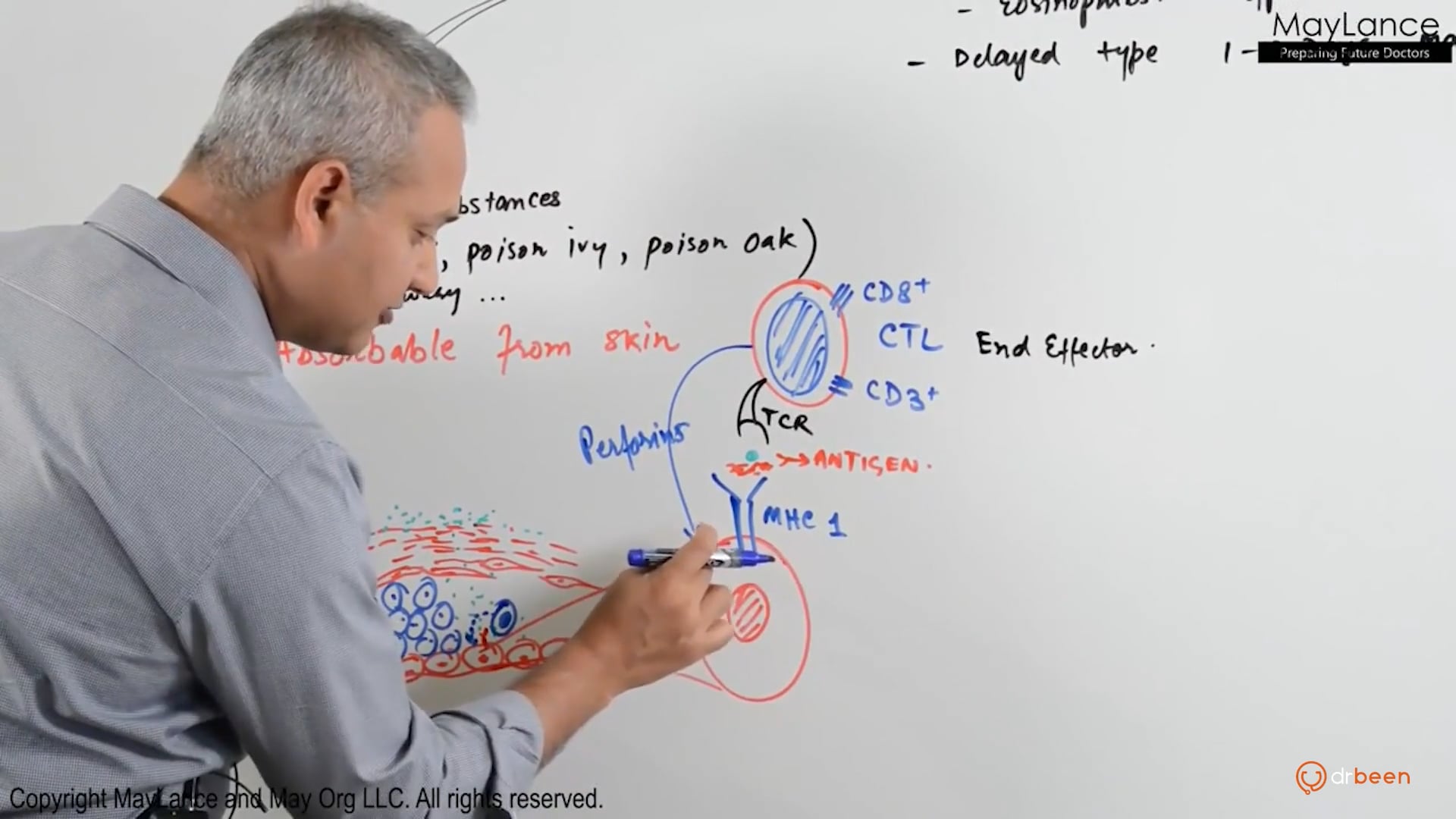
Type IV Hypersensitivity Reactions
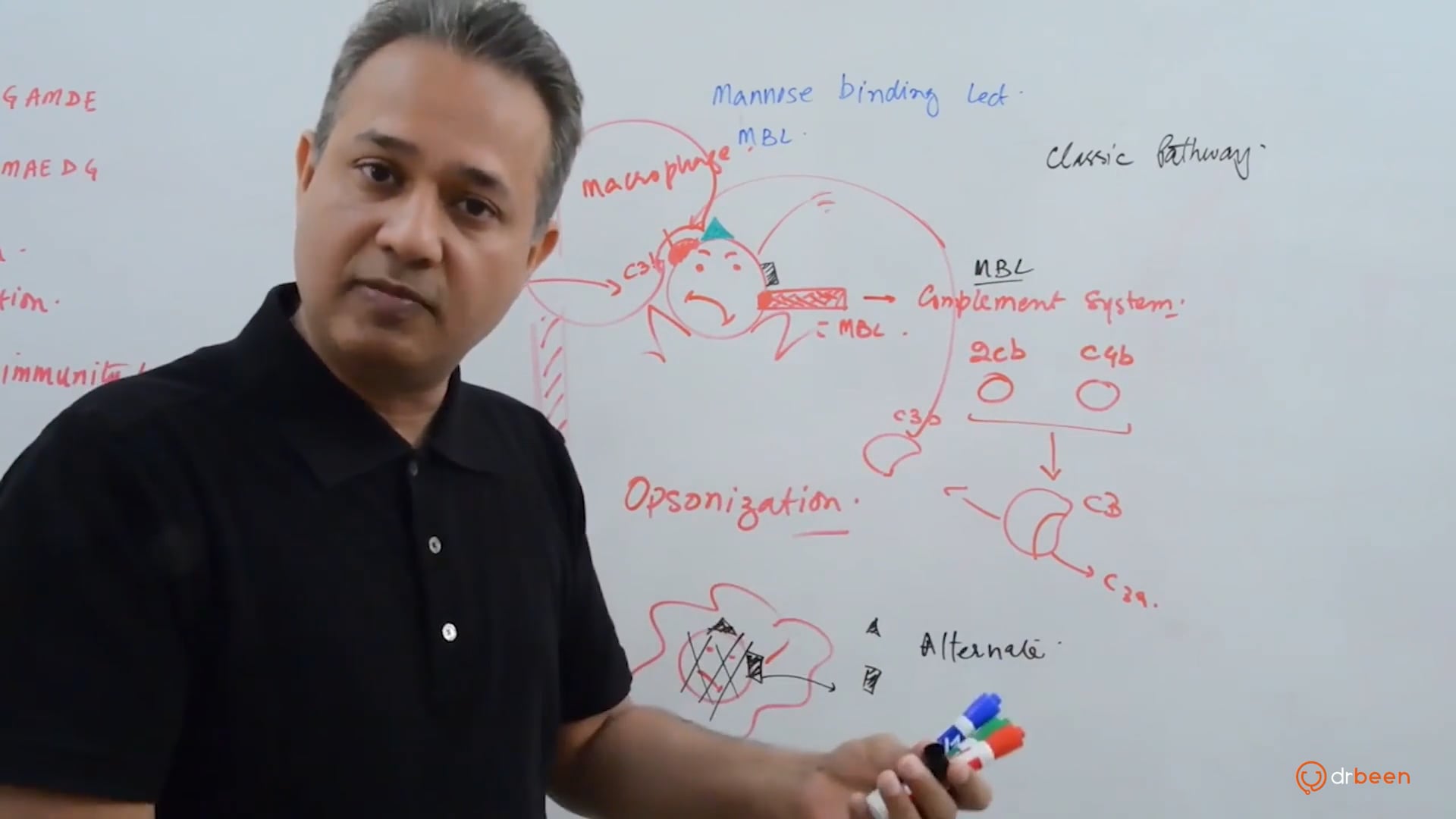
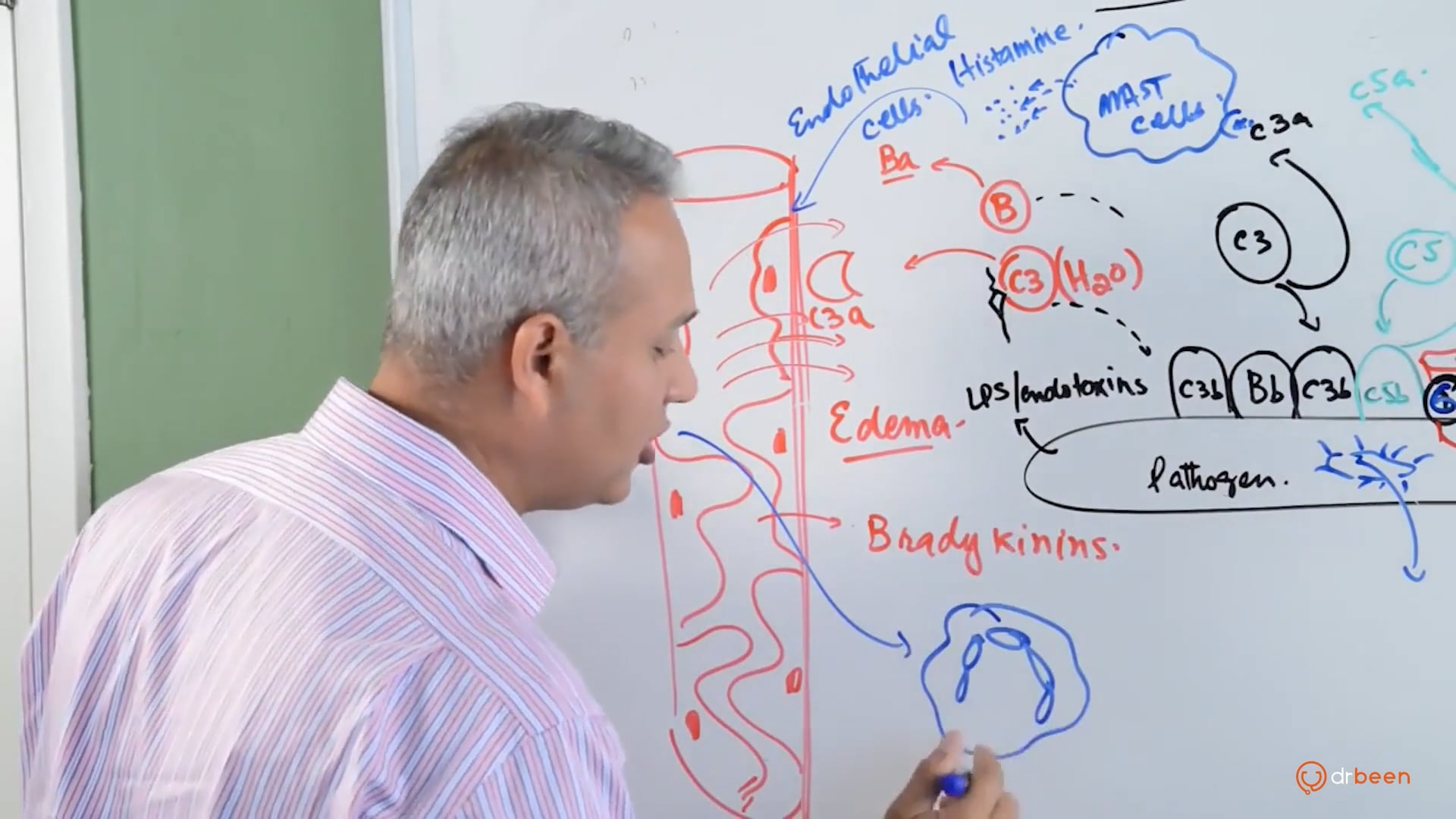
Complement System
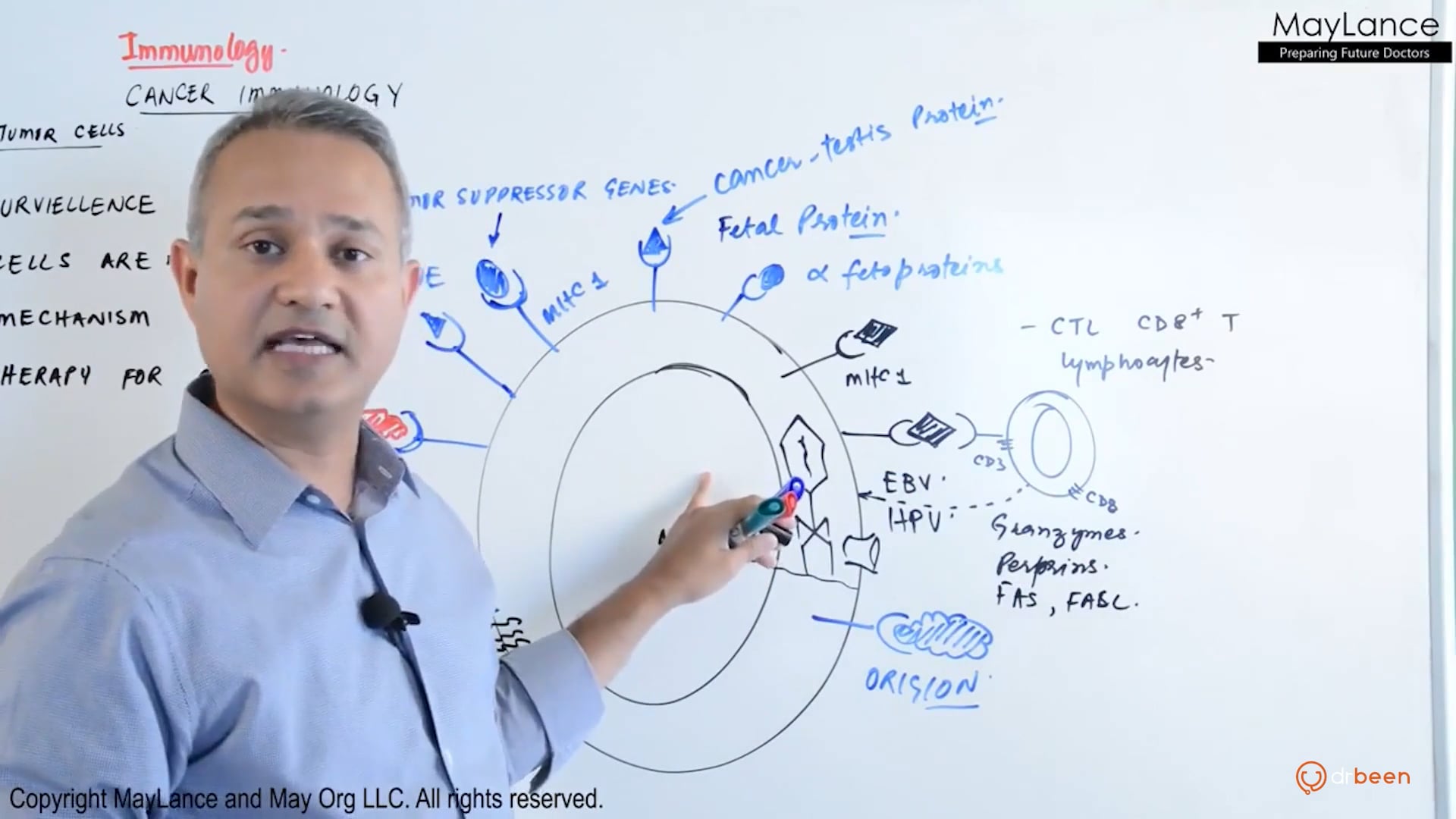
Tumor Immunity
Immune Pathology
Immune Pharmacology
IVIg A High Level Overview
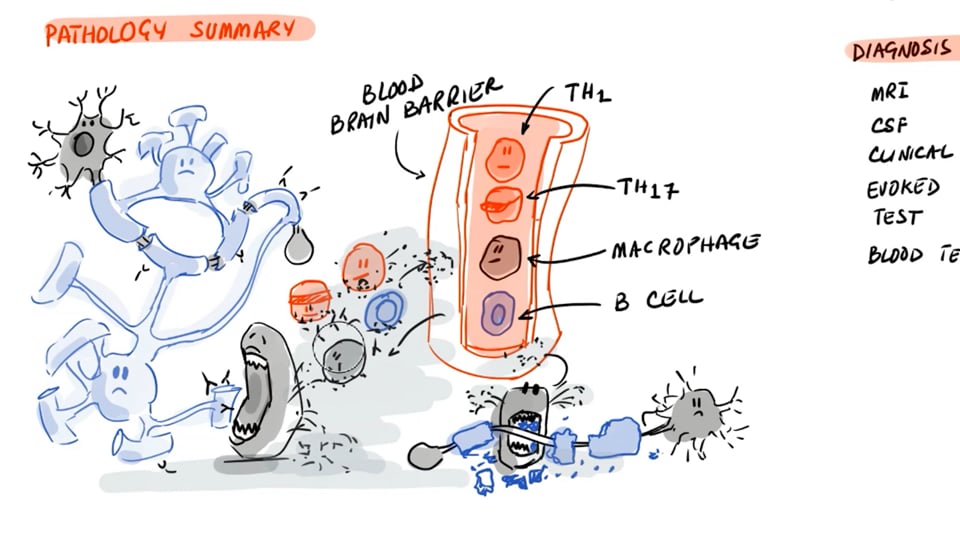
Multiple Sclerosis-Pathophysiology
Multiple Sclerosis-Clinical Aspects
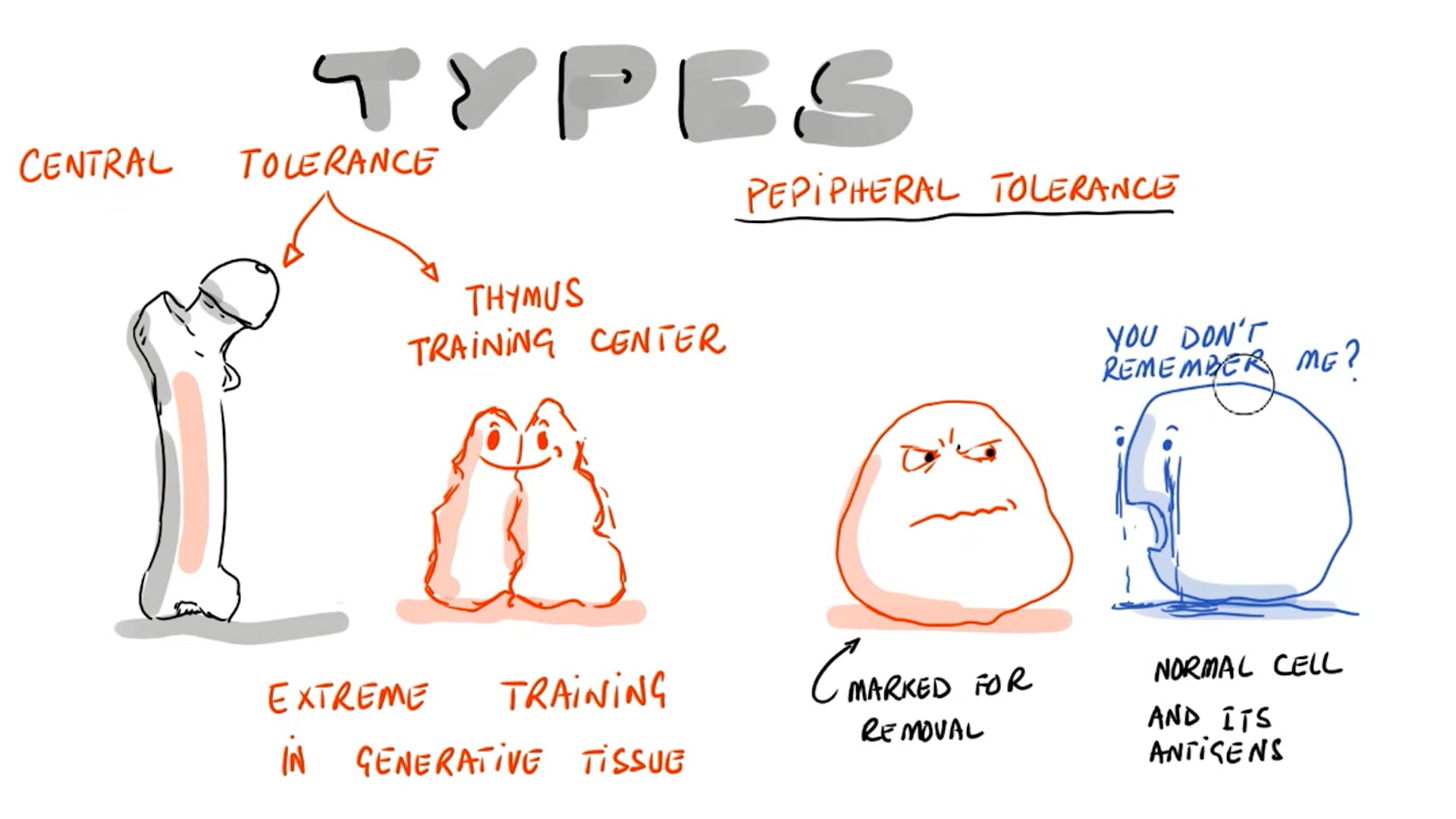
Self Tolerance and Microbe Triggered Autoimmunity (T Cell Focus)
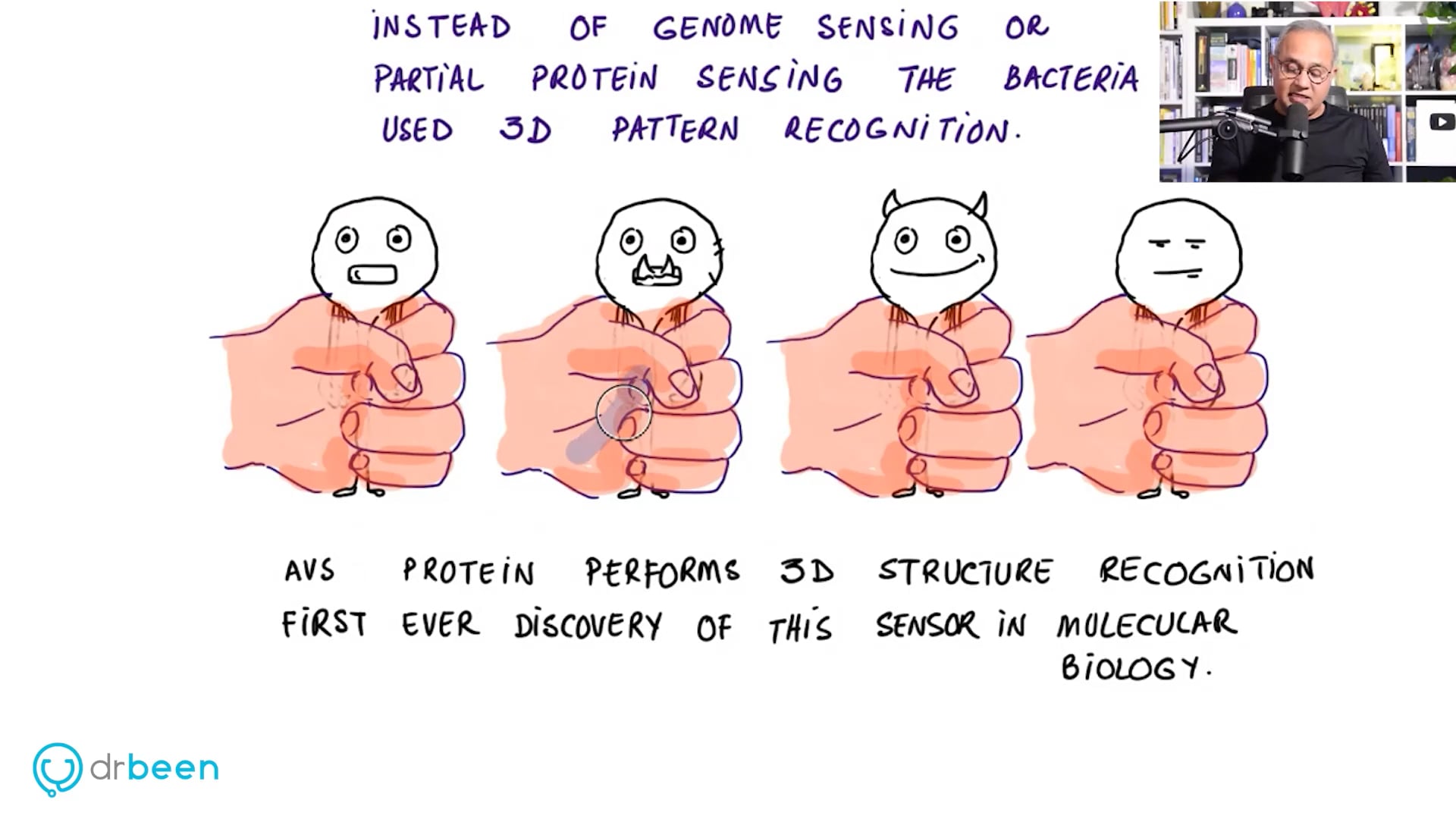
Future Antivirals Using Bacterial Immune Sensors
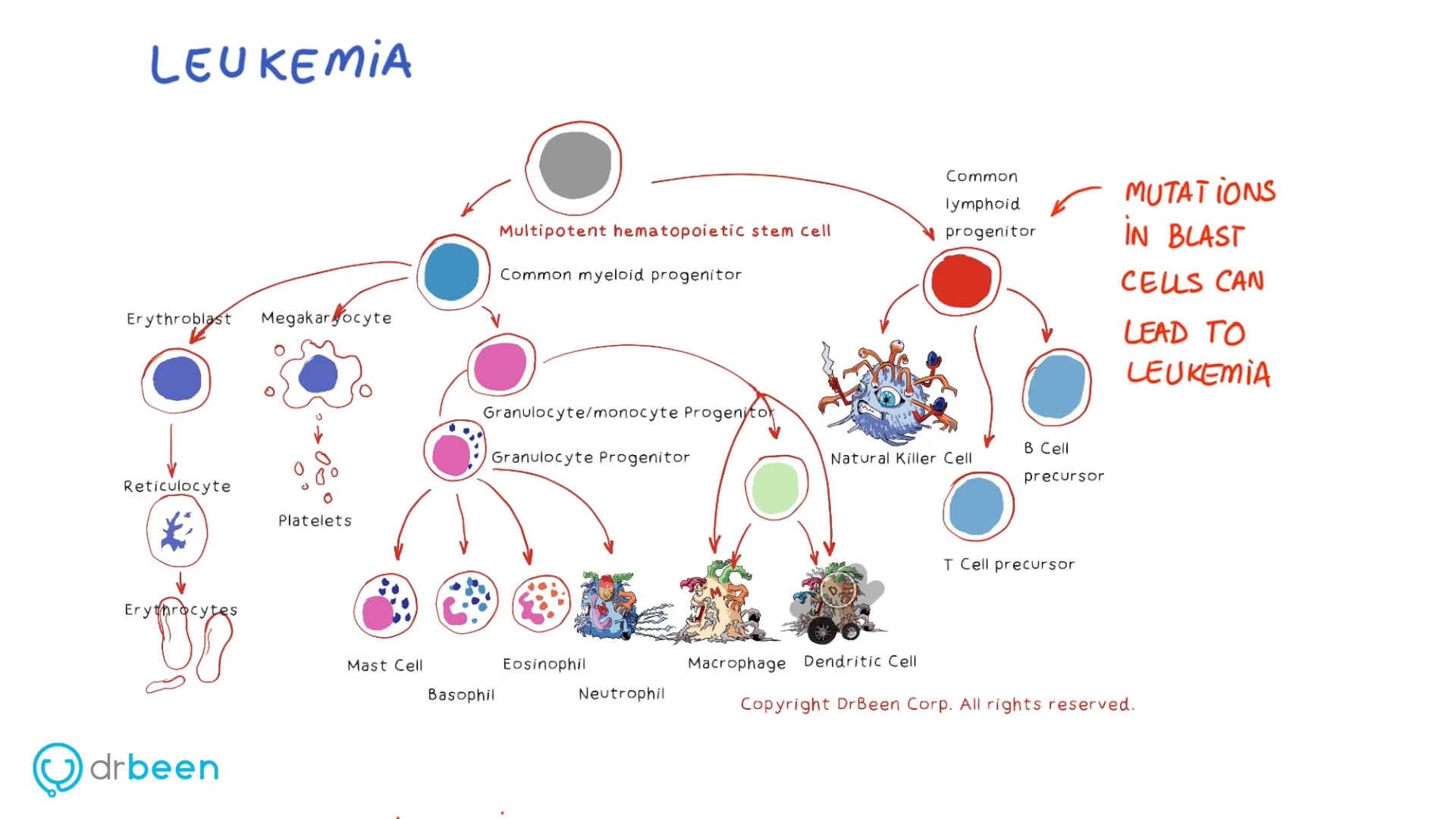
Base Editing of CAR-T Cells Clear Incurable Leukemia
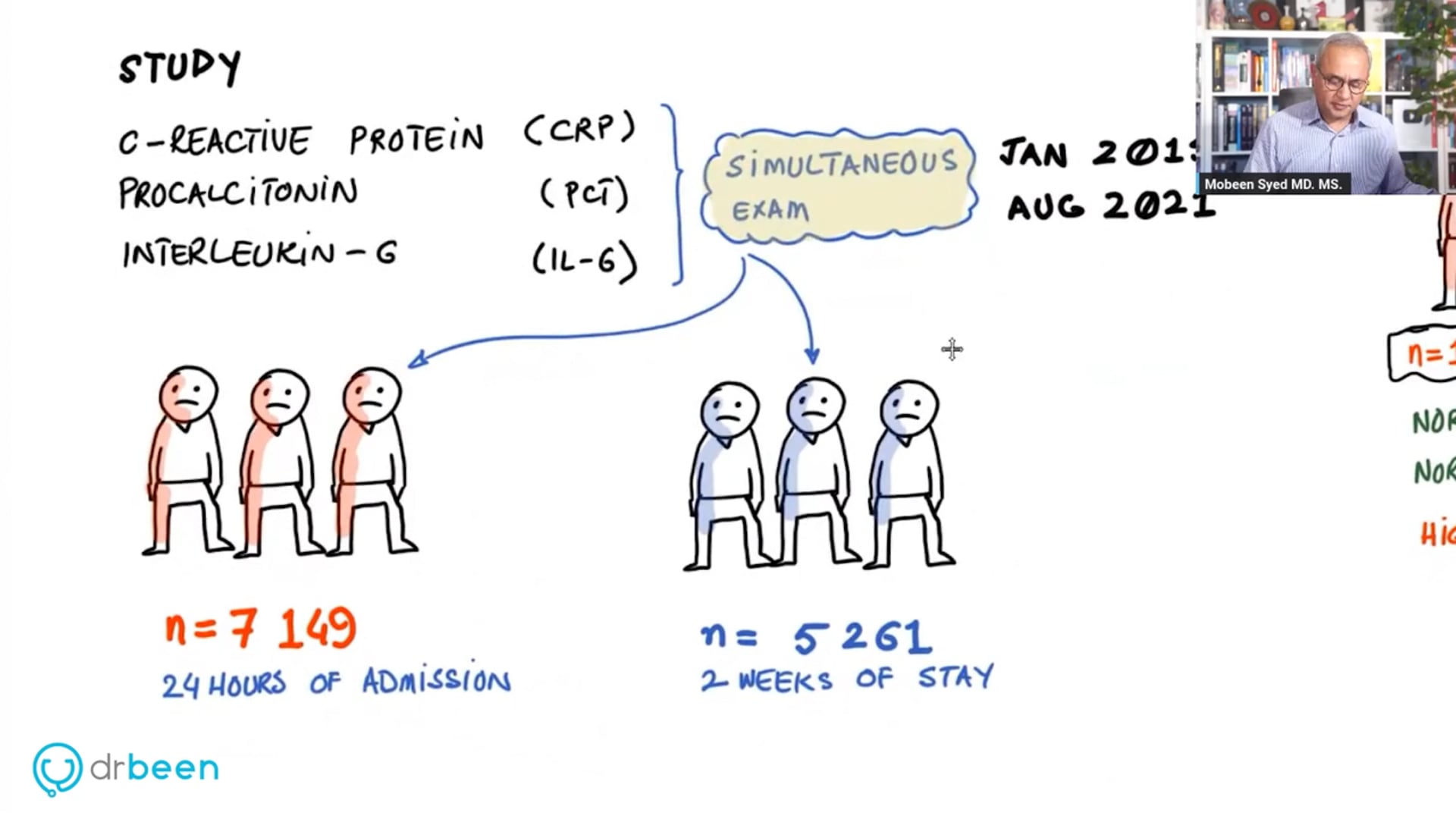
Elevated Interleukin 6 (IL-6) and Normal C Reactive Protein (CRP)
If you are representing any company/author/publisher etc, send us an email.
Please Specify Reason: